
Tag: C-PTS
Grief Response in Parental Alienation
Yes 🙌 and it’s ignored by and large
War Vet Brains in kids of Alienation Conflict
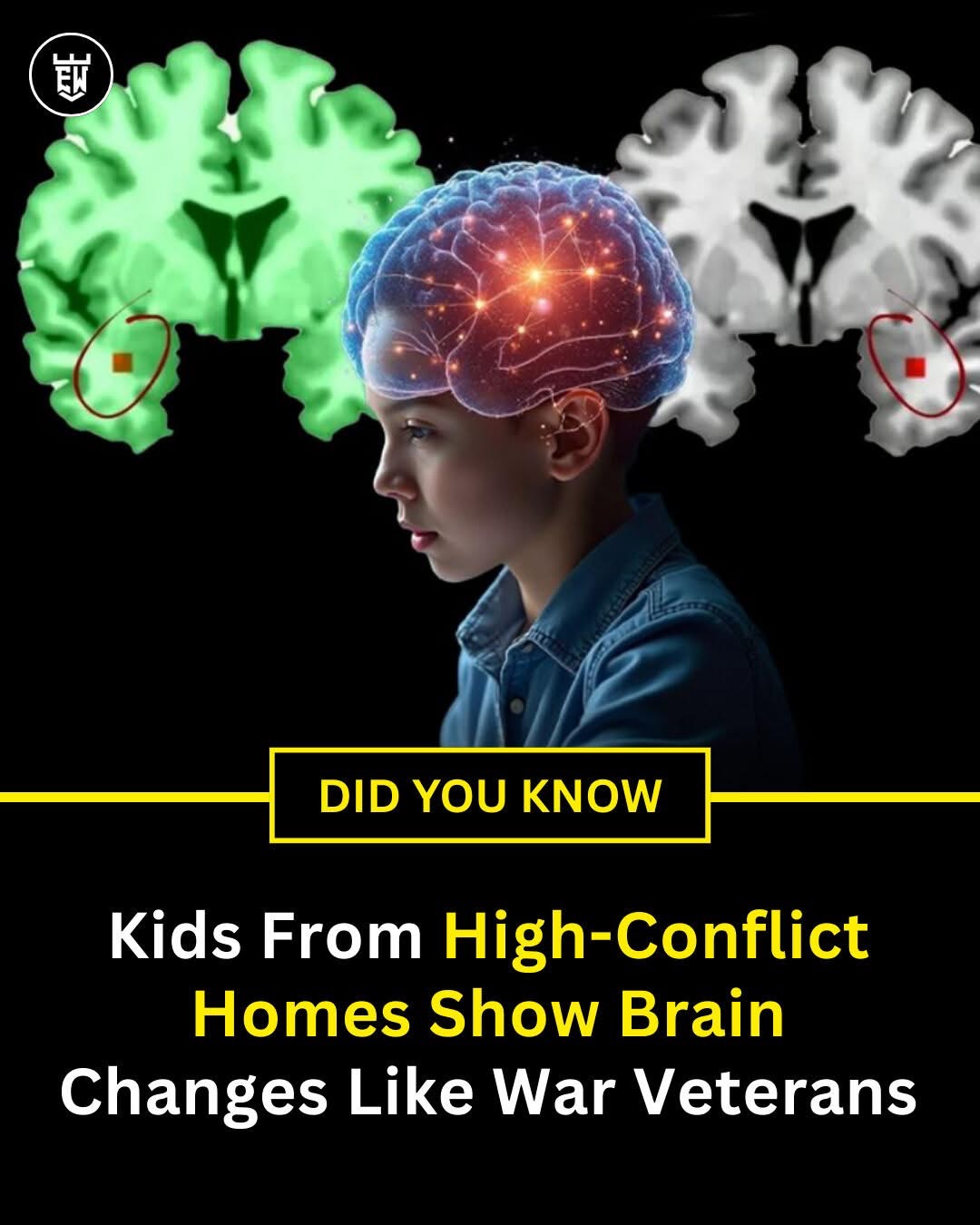
A groundbreaking study using brain scans has revealed a disturbing parallel: children exposed to intense family conflict show brain changes similar to those found in combat veterans. That’s right — the emotional warfare inside a home can mimic the neurological toll of literal battlefield trauma.
Researchers found that kids who witness chronic yelling, aggressive arguments, or domestic tension have altered brain activity in areas linked to fear, stress, and emotional regulation. These are the same brain regions often affected in soldiers returning from war zones.
The amygdala, a part of the brain responsible for processing threats and fear, becomes hypersensitive, constantly on alert. Meanwhile, the prefrontal cortex, which helps manage emotions and make rational decisions, often becomes underdeveloped or impaired. This combination can lead to long-term emotional difficulties, anxiety, or even PTSD-like symptoms later in life.
What makes this even more alarming is that many families underestimate the impact of loud fights or emotional tension on children. But the science is clear: a child’s brain is shaped by the emotional climate they grow up in.
This discovery highlights the urgent need for family therapy, safe environments, and emotional education to protect developing minds. Just because there are no visible bruises doesn’t mean the damage isn’t real.
#DidYouKnow #ChildPsychology #BrainFacts #MindMirror #FamilyHealth #TraumaScience
Emotional Stress
Not afraid of loosing people
Ignoring Baby crying
The leading baby ” experts ” stated that allowing baby to cry for 15 minutes was best . It went against my nature but I did so as baby grew out of newborn stage . I don’t think I ever went a full 15 minutes .
It was part of the new world order to have detached moms and dads and psychologically challenged children; ie erasing families !
Crying is how babies from birth to about five years old communicate their needs. When caregivers regularly ignore these cries, the baby’s stress response system becomes overstimulated and unregulated. This repeated stress, especially without comfort, can alter how a child’s brain, nervous system, and immune system develop. Scientists refer to this as stress becoming “biologically embedded,” meaning early experiences shape long-term health and behavior.
When a baby cries without being soothed, stress hormones like cortisol flood their body. If this happens too often, it can interfere with how the brain grows—especially areas responsible for emotions, thinking, and memory. Studies on both animals and humans show that neglect during early years leads to increased anxiety, stronger fear reactions, and slower development of the frontal cortex, which is responsible for decision-making and emotional control.
Brain scans of children who experienced early neglect—such as those raised in institutions—show physical changes, including reduced white matter (needed for learning) and enlarged amygdalae (linked to fear and anxiety). Over time, this can lead to problems with self-control, focus, and learning.
Ignoring babies’ distress also weakens emotional bonding. Babies who are consistently comforted learn to trust their caregivers. But if crying is ignored, they may form insecure attachment patterns. These children often grow up more anxious, emotionally distant, or unable to manage stress well.
Biologically, early emotional neglect also affects hormone balance and the immune system. Chronically stressed babies often show abnormal cortisol levels and higher inflammation markers. This makes them more vulnerable to illnesses and long-term conditions like depression, heart disease, and metabolic issues later in life.
Behaviorally, these children are more likely to struggle with anxiety, aggression, or attention problems. Studies show that even years later, children who experienced early emotional neglect score lower in language and problem-solving skills and may face challenges in relationships.
In short, babies need responsive care not just for emotional reasons, but to support healthy brain, hormone, and immune system development. While occasional crying is normal, ongoing neglect of emotional needs in early years can leave long-lasting biological and psychological marks.
Research papers:
PMCID: PMC3887079
PMCID: PMC2817950
PMCID: PMC3690164
PMCID: PMC3422632
PMCID: PMC4635964
PMCID: PMC4074672

Liberation – Copied
To a narcissist I once loved,
I know you’re waiting for me to break down, to reach out, to come crawling back. But I’m no longer that person. You didn’t break me; you tried, over and over, but each time, I rebuilt myself stronger, wiser, and more aware of my worth. And now, I realize, I don’t need to escape anymore. I’m free. I used to beg for your love and attention, thinking that maybe, just maybe, if I tried harder, you’d see me. But now, I know the truth: your love was never real. It was a game – a way to manipulate and control. But I’m no longer at your mercy. I’ve healed, and I deserve so much more than you could ever offer. You may think you’ve left a mark on me, but you didn’t. You destroyed the version of me that needed you, and you’ll never meet the real me – the stronger, wiser woman I’ve become. I’ve closed that chapter of my life. You don’t get to be a part of my future. I’m at peace now. And while you wait for me to crumble, know that I won’t. Because I’m whole, just as I am. So, take your game elsewhere. I won’t be coming back.
PTS is a reality resulting from Narcissist Abuse
Psychiatry – Bill Barbary
This is major truths that deserve to be acknowledged asap
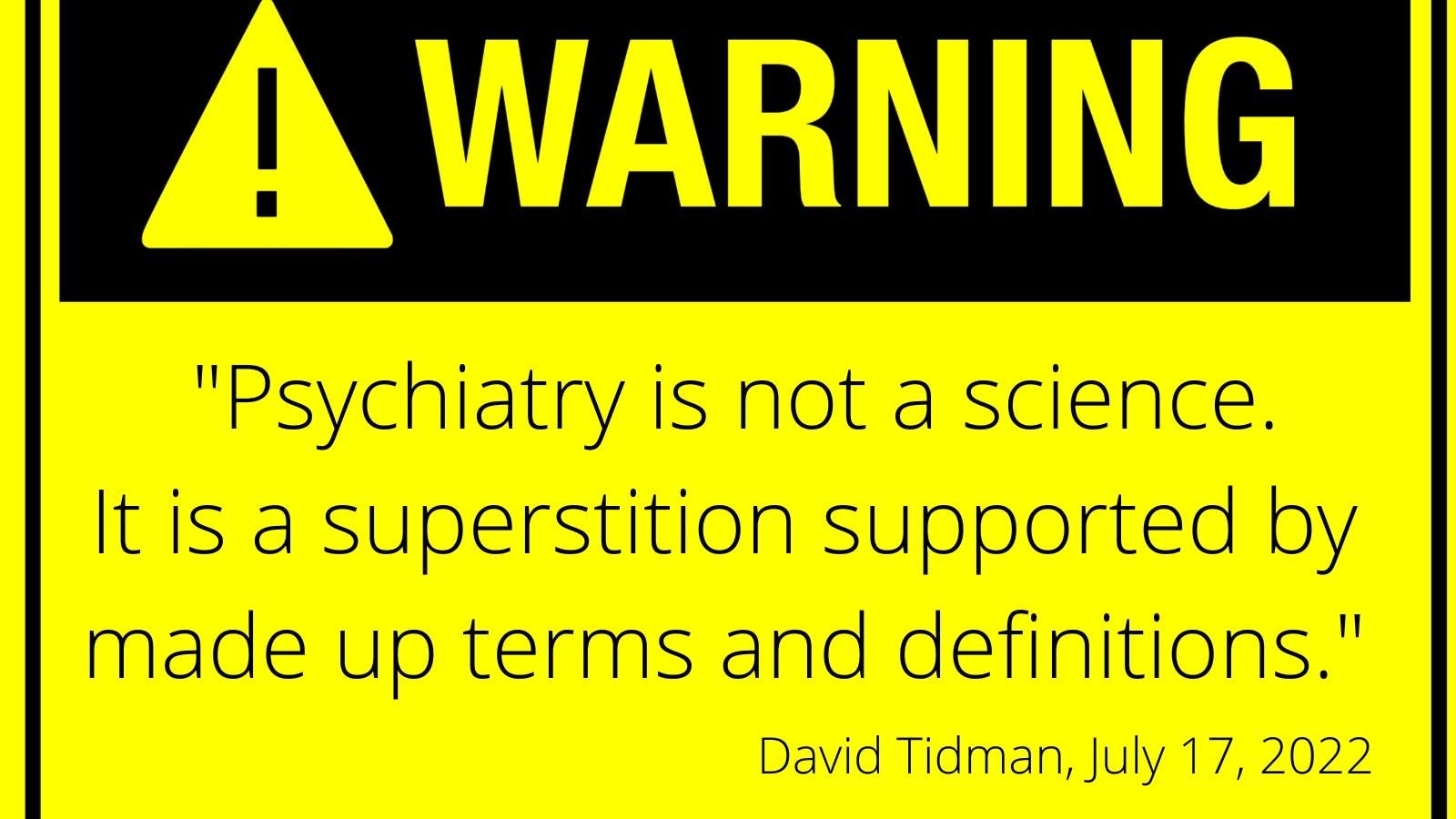
When they say, “You are not a doctor” or “You don’t know what you are talking about” or “You shouldn’t be giving medical advice” or “What you are saying is dangerous”… show them these recent quotes from psychiatrists, psychologists, and physicians.
“What if the medications we rely on to treat mental illness are actually making things worse? Why are we prescribing based on checklists, not causes? If these drugs wear off and tolerance builds, aren’t we…”
Josef Witt-Doerring, Psychiatrist, May 31, 2025
**Psychiatry’s reliance on symptom checklists ignores the complexity of human experience. Medicating distress without understanding its roots is like treating a fever without finding the infection.”
Robert Whitaker, January 15, 2025
**The DSM is a house of cards—categories built on shaky assumptions, not biology. We’re drugging people based on labels, not science.”
James Davies, Psychotherapist/Anthropologist, March 10, 2025
“Antidepressants can double the risk of suicide in some patients. Why isn’t this screamed from the rooftops? Because Big Pharma funds the megaphone.”
David Healy, Psychiatrist, April 22, 2025
**
“Psychiatry assumes a broken brain when often it’s a broken life. Pills don’t fix poverty, trauma, or loneliness.”
Gail Hornstein, Psychologist, February 3, 2025
“The idea that mental illness is just a chemical imbalance is a myth perpetuated to sell drugs. The brain is not a soup you can just season.”
Kelly Brogan, Psychiatrist, May 1, 2025
“We’re told SSRIs are safe, but akathisia can drive people to desperation. Psychiatry needs to own its role in these tragedies.”
Mark Horowitz, Psychiatrist, March 28, 2025
“Diagnosing kids with bipolar disorder and putting them on antipsychotics is medical malpractice dressed up as care. Behavior isn’t a disease.”
Allen Frances, Psychiatrist, April 10, 2025
**Psychiatric meds are often a Band-Aid for societal failures—inequality, isolation, abuse. We need to treat the cause, not dope up the symptom.”
Bruce Levine, Clinical Psychologist, January 28, 2025
“The placebo effect accounts for much of what antidepressants do. Why are we risking side effects for something barely better than sugar pills?”
Irving Kirsch, Psychologist, February 20, 2025
“Psychiatry’s obsession with biomarkers is a distraction. We’re chasing ghosts while patients suffer from real-world problems.”
Sami Timimi, Psychiatrist, March 5, 2025
**Benzodiazepines create dependency faster than we admit. Prescribing them for anxiety is like pouring gasoline on a fire.”
Anna Lembke, Psychiatrist, April 15, 2025
“The psychiatric industry thrives on pathologizing normal emotions. Sadness isn’t a disorder; it’s a signal to change something.”
Lucy Johnstone, Clinical Psychologist, May 12, 2025
“We’re medicating grief as if it’s a pathology. Feeling pain is human; numbing it with pills isn’t.”
Christopher Dowrick, Psychiatrist, February 10, 2025
“Psychiatric drugs are tested for weeks, but prescribed for years. The long-term harm is barely studied, yet we call it evidence-based.”
Peter Kinderman, Clinical Psychologist, April 25, 2025
“The rise in mental health diagnoses tracks the rise in drug prescriptions. Correlation isn’t causation, but it’s a red flag we’re ignoring.”
John Read, Clinical Psychologist, March 15, 2025
“Psychiatry’s quick fix with meds ignores the stories behind the symptoms. We’re treating people like machines, not humans.”
Ronald Pies, Psychiatrist, January 10, 2025
“Antidepressants can blunt emotions, not just depression. Patients tell me they feel like zombies—where’s the healing in that?”
Daniel Carlat, Psychiatrist, February 18, 2025
“The push to medicate kids for ADHD is driven by a system that can’t handle diversity in behavior. Pills are easier than reform.”
Lawrence Diller, Pediatrician, March 3, 2025
“We’re told psychiatric drugs are precise, but they’re blunt tools hitting a complex brain. The collateral damage is real.”
Stuart Shipko, Psychiatrist, April 12, 2025
“The chemical imbalance narrative is a marketing triumph, not a scientific one. It’s time we admit we don’t know enough to medicate so freely.”
Steven Hyman, Psychiatrist, January 25, 2025
“Psychiatry’s overreliance on drugs dismisses the power of human connection. A good conversation can do more than a pill.”
Dainius Pūras, Psychiatrist, May 8, 2025
“Antipsychotics can stabilize in a crisis, but long-term use often traps patients in a cycle of dependency and side effects.”
Sandra Steingard, Psychiatrist, March 20, 2025
“Labeling every struggle as a disorder feeds the pharmaceutical machine. We’re turning life’s challenges into billable diagnoses.”
Eric Maisel, Psychologist, February 7, 2025
“The data on SSRIs shows marginal benefits for most, yet we prescribe them like candy. Why aren’t we questioning this?”
David Cohen, Psychologist, April 18, 2025
“Psychiatric diagnoses often serve to justify medication, not to understand the patient. It’s a shortcut that fails too many.”
Gary Greenberg, Psychotherapist, January 30, 2025
“Benzos for anxiety are a trap. Short-term relief, long-term addiction. We need to teach coping, not prescribe escape.”
Nicole Lamberson, Physician, March 12, 2025
“The DSM’s expansion of disorders isn’t science—it’s politics. More diagnoses mean more drugs, not more truth.”
Paula Caplan, Psychologist, April 5, 2025
“Medicating children for emotional distress is like fixing a broken heart with surgery. It’s the wrong tool for the job.”
Peter Gray, Psychologist, February 25, 2025
“Psychiatry’s faith in drugs assumes the brain is the problem, but what if it’s the environment we’re all stuck in?”
Jonathan Stea, Clinical Psychologist, May 15, 2025
“Antidepressants can cause withdrawal worse than the condition they’re meant to treat. That’s not medicine—it’s harm.”
Luke Montagu, Psychiatrist, March 8, 2025
“The pharmaceutical industry shapes psychiatric practice more than we admit. Follow the money, not the science.”
Marcia Angell, Physician, April 20, 2025
“We’re overdiagnosing depression to sell pills, when often it’s just life being hard. Let’s stop pathologizing pain.”
Gordon Parker, Psychiatrist, February 12, 2025
“Psychiatric meds can change your personality, not just your mood. Are we okay with altering who people are?”
John Gartner, Psychologist, January 22, 2025
“The rise in polypharmacy—prescribing multiple psych meds—is a sign of desperation, not progress. We’re guessing, not healing.”
Thomas Insel, Psychiatrist, May 10, 2025
“Mental health isn’t a pill problem; it’s a human problem. Psychiatry needs to listen more and prescribe less.”
Mary Pipher, Clinical Psychologist, March 18, 2025
“Psychiatry is built on a lie: that mental distress is a brain disease. It’s a social control mechanism, not medicine.”
Thomas Szasz, Psychiatrist (deceased, quoted in discussions), January 5, 2025
“The DSM is a fiction, turning human struggles into billable disorders. It’s time to ditch it and start listening to people.”
Bonnie Burstow, Psychotherapist, February 12, 2025
“Psychiatric drugs don’t heal; they sedate. We’re numbing people to keep them compliant, not to fix their minds.”
Peter Stastny, Psychiatrist, March 18, 2025
“Mental illness is a metaphor, not a fact. Psychiatry’s obsession with labeling and drugging is a betrayal of human experience.”
R.D. Laing, Psychiatrist (deceased, quoted in discussions), April 10, 2025
“Antidepressants are a scam. The placebo effect is stronger, and the side effects are devastating. We need to wake up.”
David Carmichael, Physician, January 22, 2025
“Psychiatry’s chemical imbalance myth is a marketing ploy. It justifies pills while ignoring trauma and society’s failures.”
Eleanor Longden, Psychologist, May 3, 2025
“We’re locking people in a cycle of drugs and diagnoses, calling it care. It’s a system of oppression, not healing.”
Laura Delano, Psychotherapist, February 8, 2025
“The psychiatric industry thrives on inventing disorders. Every new DSM edition is a catalog for Big Pharma.”
Philip Hickey, Psychologist, March 25, 2025
“Forced medication is a human rights violation. Psychiatry’s power to coerce needs to be dismantled.”
Tina Minkowitz, Psychiatrist, April 15, 2025
“Psychiatric drugs cause more harm than good. Long-term use rewires the brain, creating dependency, not recovery.”
Jim Gottstein, Psychiatrist, January 30, 2025
“The idea of ‘mental illness’ is a construct to pathologize dissent. Psychiatry is more about control than compassion.”
David Oaks, Psychotherapist, May 12, 2025
“Antipsychotics are chemical straitjackets. They don’t cure; they suppress, often at the cost of a person’s vitality.”
Will Hall, Psychologist, March 5, 2025
“Psychiatry’s reliance on drugs is a failure of imagination. We need to rethink distress as a human response, not a defect.”
Jacqui Dillon, Psychologist, April 20, 2025
“The DSM turns normal emotions into disorders to sell drugs. It’s a business model, not a scientific one.”
Jeffrey Lacasse, Psychologist, February 15, 2025
“Psychiatric medications are a gamble with your brain. The risks—akathisia, tardive dyskinesia—are swept under the rug.”
Sera Davidow, Psychotherapist, January 18, 2025
“Psychiatry’s diagnostic system is a trap. Once labeled, you’re a patient for life, hooked on pills you don’t need.”
Ron Unger, Psychologist, March 10, 2025
“Big Pharma funds psychiatry’s research and practice. It’s not about healing; it’s about profit.”
Mary Maddock, Psychiatrist, April 8, 2025
“We’re drugging kids for being kids. ADHD is a label to justify control, not a disease requiring medication.”
Fred Baughman, Neurologist, February 25, 2025
“Psychiatry’s medical model is a dead end. Mental distress is about life, not brain chemistry.”
Pat Bracken, Psychiatrist, May 1, 2025
“The harm of psychiatric drugs is hidden by a system that blames the patient, not the pill, for side effects.”
Sarah Fay, Psychologist, March 22, 2025
“Psychiatry’s power to define ‘normal’ is dangerous. It turns human diversity into a disorder to be medicated.”
Rufus May, Clinical Psychologist, January 12, 2025
“Antidepressants don’t fix depression; they create a new state of mind, often worse than the original.”
Ann Blake-Tracy, Psychotherapist, April 18, 2025
“The psychiatric system is a machine that chews up people’s stories and spits out prescriptions.”
Alisha Ali, Psychologist, February 20, 2025
“We’re told psychiatry is science, but it’s guesswork dressed up as expertise. The drugs are the proof.”
Barry Duncan, Psychologist, March 15, 2025
“Psychiatric labels are a life sentence. Once you’re diagnosed, the drugs and stigma follow you forever.”
Celia Brown, Psychotherapist, May 5, 2025
“Benzodiazepines turn anxiety into addiction. Psychiatry’s solution is worse than the problem.”
Christy Huff, Cardiologist, January 28, 2025
“The DSM is a tool of social control, not medicine. It pathologizes anyone who doesn’t fit the norm.”
Kate Crawford, Psychiatrist, April 3, 2025
“Psychiatric drugs are marketed as safe, but they can destroy lives. Withdrawal alone is proof of their danger.”
Monica Cassani, Psychotherapist, February 10, 2025
“Psychiatry’s reliance on medication is a betrayal of human resilience. We’re more than our brain chemistry.”
Ron Coleman, Psychologist, March 30, 2025
“The chemical imbalance lie keeps patients dependent on drugs that don’t work. It’s time for a new approach.”
Lauren Tenney, Psychologist, April 25, 2025
“Psychiatry’s answer to distress is to medicate it away, ignoring the real causes—trauma, poverty, injustice.”
Darby Penney, Psychotherapist, January 15, 2025
“Antipsychotics rob people of their spark. Calling it treatment doesn’t make it less cruel.”
Leah Harris, Psychologist, May 10, 2025
“The psychiatric system profits by turning normal reactions to life into lifelong disorders.”
Grainne Humphrys, Psychiatrist, February 28, 2025
“We’re drugging the human spirit, calling it mental health care. Psychiatry needs a complete overhaul.”
Michael Cornwall, Psychotherapist, April 12, 2025
“The DSM is a catalog of control, not care. It’s designed to justify drugs, not understand people.”
Lisa Forestell, Psychologist, March 8, 2025
“Psychiatric medications are a blunt instrument, not a cure. The harm they cause is criminally underreported.”
David Ross, Psychiatrist, January 20, 2025
“Psychiatry’s medical model is a myth that serves the drug industry, not patients.”
Philip Thomas, Psychiatrist, May 15, 2025
“We’re told mental illness is biological, but where’s the proof? Psychiatry’s foundation is sand.”
Amy McCart, Psychologist, February 5, 2025
“Antidepressants can trap you in a cycle of dependency. That’s not healing—it’s harm.”
Judi Chamberlin, Psychotherapist, April 30, 2025
“Psychiatry’s obsession with drugs ignores the soul of the person. We need to listen, not prescribe.”
Daniel Mackler, Psychotherapist, March 12, 2025
“I think this is a problem with American psychiatry: most people just think about symptom disorders. ‘It’s a depression, it’s an anxiety disorder, so there’s got to be a medication for it. Well, you can be depressed because of the way your mind works—not because your neurons.”
Jonathan Shedler, Psychiatrist, February 24, 2025
“To all psychiatric patients: Desist further diagnoses when you are receiving a psychiatric drug. It is poor medical practice to make further diagnoses when a person is under the influence of a brain-active chemical, as the new symptoms are most likely drug-induced.”
Peter C. Gøtzsche, Doctor, April 6, 2023
“Antidepressants make you feel like you are going to lose control and possibly harm people close to you. They make you feel like you can not trust yourself. They put bad thoughts in your head, and this scares the people that take them.
Andrew Zywiec, Medical Doctor, February 5, 2025
“Psychiatry is a scam. As both a victim of that scam (put on meds as a teenager, destroyed my life, and took nearly two decades to get clean) and a medical doctor, I can assure you, your brain isn’t broken and you don’t need pills.
Andrew Zywiec, Medical Doctor, February 8, 2025
 GreatCosmicMothersUnite