

Tag: erasing families
Narcissistic is created , often by age 7
Teaching children “ normal “
Good Woman
OMG was this ever true
Men destroying marriages
Family separation
It’s part of an effort to erase families
Ignoring Baby crying
The leading baby ” experts ” stated that allowing baby to cry for 15 minutes was best . It went against my nature but I did so as baby grew out of newborn stage . I don’t think I ever went a full 15 minutes .
It was part of the new world order to have detached moms and dads and psychologically challenged children; ie erasing families !
Crying is how babies from birth to about five years old communicate their needs. When caregivers regularly ignore these cries, the baby’s stress response system becomes overstimulated and unregulated. This repeated stress, especially without comfort, can alter how a child’s brain, nervous system, and immune system develop. Scientists refer to this as stress becoming “biologically embedded,” meaning early experiences shape long-term health and behavior.
When a baby cries without being soothed, stress hormones like cortisol flood their body. If this happens too often, it can interfere with how the brain grows—especially areas responsible for emotions, thinking, and memory. Studies on both animals and humans show that neglect during early years leads to increased anxiety, stronger fear reactions, and slower development of the frontal cortex, which is responsible for decision-making and emotional control.
Brain scans of children who experienced early neglect—such as those raised in institutions—show physical changes, including reduced white matter (needed for learning) and enlarged amygdalae (linked to fear and anxiety). Over time, this can lead to problems with self-control, focus, and learning.
Ignoring babies’ distress also weakens emotional bonding. Babies who are consistently comforted learn to trust their caregivers. But if crying is ignored, they may form insecure attachment patterns. These children often grow up more anxious, emotionally distant, or unable to manage stress well.
Biologically, early emotional neglect also affects hormone balance and the immune system. Chronically stressed babies often show abnormal cortisol levels and higher inflammation markers. This makes them more vulnerable to illnesses and long-term conditions like depression, heart disease, and metabolic issues later in life.
Behaviorally, these children are more likely to struggle with anxiety, aggression, or attention problems. Studies show that even years later, children who experienced early emotional neglect score lower in language and problem-solving skills and may face challenges in relationships.
In short, babies need responsive care not just for emotional reasons, but to support healthy brain, hormone, and immune system development. While occasional crying is normal, ongoing neglect of emotional needs in early years can leave long-lasting biological and psychological marks.
Research papers:
PMCID: PMC3887079
PMCID: PMC2817950
PMCID: PMC3690164
PMCID: PMC3422632
PMCID: PMC4635964
PMCID: PMC4074672

PTS is a reality resulting from Narcissist Abuse
PA ; Narcissistic Parent has transactional love for their kids
Alienated Kids are groomed into emotional servitude
Parental alienation doesn’t just separate a child from a parent—it rewires their nervous system.
Alienated children are often conditioned to believe:
• They must manage the alienating parent’s emotional state.
• Any deviation from loyalty is betrayal.
• Their love must be earned through compliance, silence, or performance.
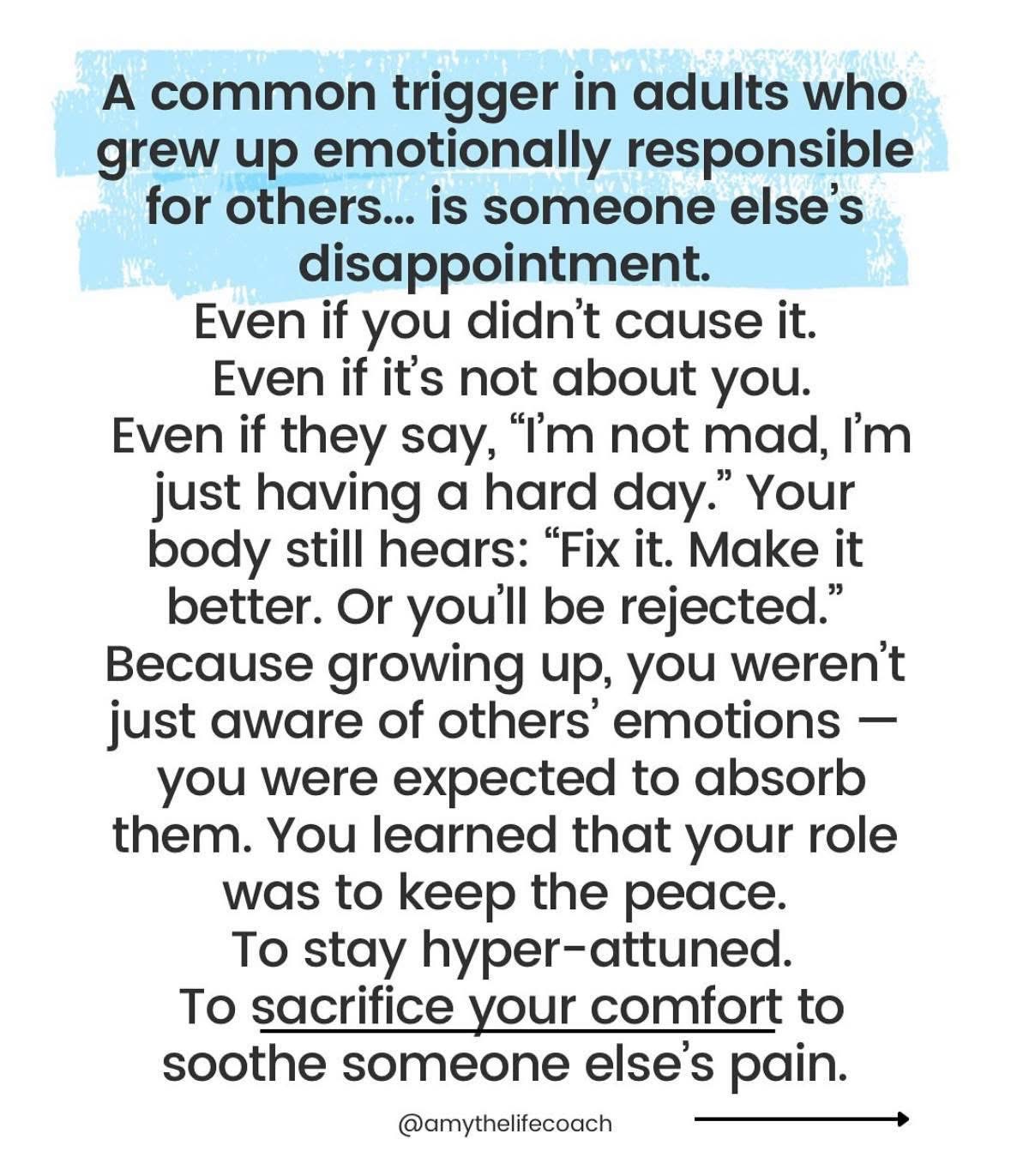
This grooming creates a child who becomes hyper-attuned to the needs, moods, and reactions of others. The message they internalize is clear:
“You are responsible for how I feel.”
And if the child doesn’t manage that emotional state correctly, the cost is often rejection, guilt, withdrawal of affection, or punishment.
They learn to sacrifice their comfort, truth, and identity to maintain approval.
They become peacekeepers.
Performers.
Caretakers of chaos.
This is emotional enmeshment masked as loyalty—and it leaves long-term scars.
What This Looks Like in Adulthood
These children often grow up to:
• Feel triggered by other people’s disappointment—even when it’s not directed at them
• Feel responsible for fixing everything
• Have difficulty saying “no” or disappointing others
• Lose their sense of self in relationships
• Seek external validation at the expense of their own truth
Their inner narrative becomes:
“If I don’t fix this, I’ll lose love.”
“If I don’t keep the peace, I’ll be punished.”
“If someone’s unhappy, it must be my fault.”
This is not their fault. It’s the result of living in survival mode for years under the weight of manipulation.
How to Help Your Alienated Child Heal When They Come Back
When your child returns—emotionally or physically—you have a rare and sacred opportunity. Not to explain your pain. Not to clear your name. But to give them space to discover who they are without pressure.
Here’s how:
1. Give Them Emotional Sovereignty
Let them know they are not responsible for your healing. Say:
“You’re not here to take care of my feelings. I’m here to hold space for yours.”
2. Model Nervous System Regulation
If you stay calm, grounded, and regulated—even when they test boundaries—they will feel the difference. You become the safe space they never had.
3. Normalize Their Confusion and Mixed Emotions
Let them know it’s okay to feel loyalty to both parents. Don’t force them to choose sides. Instead, affirm:
“You’re allowed to love us both. You’re allowed to have your own experience.”
4. Don’t Trauma-Dump
They don’t need to hear your whole story or pain. They need to know they’re loved and safe. If they ask, share—but only what they can emotionally handle.
5. Help Them Rebuild Identity
Encourage expression through creativity, exploration, and play. Say things like:
“What do you love?”
“What makes you feel alive?”
“You don’t need to perform here. Just be.”
6. Celebrate Autonomy
They were stripped of autonomy in the alienation dynamic. Give it back. Let them choose the pace of reconnection. Let them have opinions. Let them say no.
Healing Begins With You
If you want your child to shed the burdens placed on them, you must never place new ones on their shoulders. Let their nervous system relearn what it feels like to be near someone who doesn’t demand anything of them except presence.
You are not here to pull them back into your world.
You’re here to witness the return to their own.
 GreatCosmicMothersUnite