

Tag: Child Abuse
False memories, False Trauma
Abuse – deserved
Discernment or Loyalty?
Part of my authenticity was to speak my mind and way too fast . I had friends who called and we talked for long periods of time while watching our children , cooking a meal , having a coffee
Not having an adult invested in our family was hard ; single married mom .
So yes I am guilty of saying things that could have been trippy for our children and I’ve asked and received forgiveness from on high . 🙏🙏🙏
Love the shadow & the dark within
Love the Saint & the Sinner
With
The child who hears you gossip about friends and family is not learning about other people.
They are learning that the people we love are targets for criticism the moment they leave the room.
You think it’s just harmless venting. A quiet phone call while they play nearby.
You believe they don’t understand the adult complexities.
Let’s call it what it really is.
You are not just talking. You are teaching them your definition of loyalty.
In those moments, you teach them that affection and judgment can come from the same mouth.
You teach them that relationships are conditional, and trust is something that evaporates with distance.
You are damaging the very concept of a safe, authentic friendship.
This is how you raise an adult who is deeply insecure, always wondering what is being said about them when they walk away.
Or worse, an adult who perpetuates this cycle, unable to form genuine bonds because they only know how to connect through criticism.
Speak of others as if they are in the room.
Model the integrity you want your child to embody. The most powerful lesson on loyalty is taught in the whispers they were never meant to overhear.
Author: Arsalan Moin
A child’s Inner Experience
Why Do They Need to Keep Their Distance for So Long?”
Many estranged or distant adult children struggle with feelings that are hard for parents to see. Understanding these inner conflicts can help you better grasp why your child may keep their guard up, even if you’re longing for closeness.
From their perspective, some common fears and worries include:
“My parent is more interested in preserving their image of themselves as a good parent than in taking responsibility for the past.”
For many adult children, the deepest need is to feel that their pain is taken seriously. If they sense that a parent’s focus is on proving they were not at fault, rather than acknowledging the child’s experience, it can make reconciliation feel impossible. Even if you strongly disagree with their interpretation, the perception that you’re defending your position instead of hearing them can block closeness.
“If I’m kind to my parent, they’ll take that as a free pass for the things that bother me.”
Some adult children fear that showing warmth will erase or minimize their struggles. Being nice might feel like saying, “It wasn’t so bad after all.” For them, distance can be a way of keeping the past on the record.
“If I act warmly, it might look like the past doesn’t matter.”
Your child may want to feel understood without having to constantly restate their pain. If they sense that their kindness will be used as evidence that the past wasn’t as important, they may withhold affection as a way of insisting that their story still counts.
“It’s scary to let myself get close—I might feel how much I still need them, lower my guard, and get hurt again.”
Many estranged children still carry a longing for their parent’s love and approval. But closeness makes them vulnerable to disappointment, dependency or enmeshment. The act of staying distant can feel safer than those risks.
“It feels weak to admit or show how much love or dependence I still feel for them.”
Some adult children believe that acknowledging their love or need makes them powerless, or undermines the independence they’ve worked so hard to establish. What looks like coldness may actually be self-protection.
What This Means for Parents
It’s important to remember that these fears don’t necessarily reflect the whole truth about you as a parent—they reflect your child’s inner experience. That distinction matters, because it can help you respond without defensiveness.
If you need help in understanding your child’s estrangement, join us TONIGHT for
“What Could They Be Thinking??”
Tuesday Sep2 at 430 Pacific
Register here https://drjoshuacoleman.as.me/Whatcouldtheybethinking

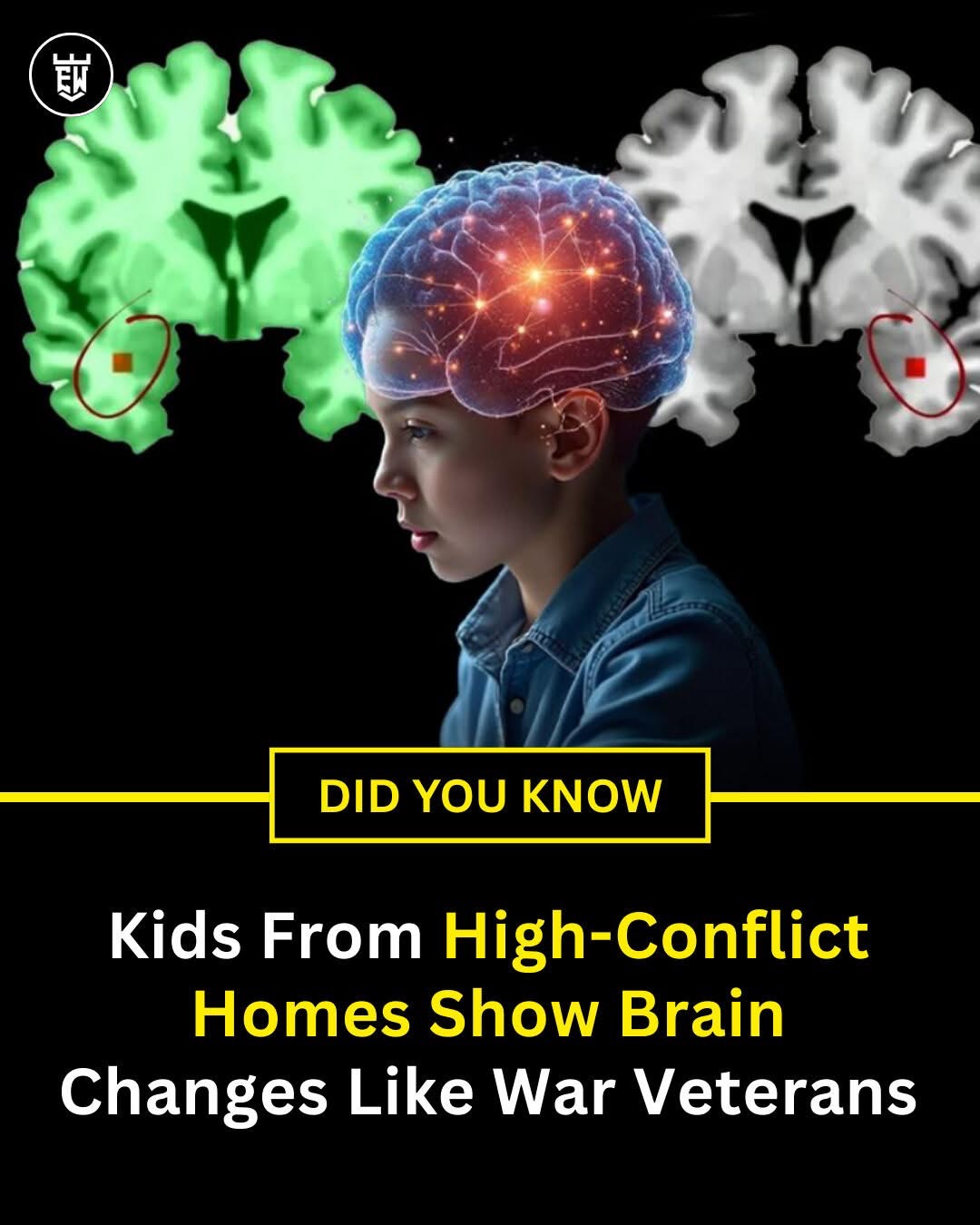
War Vet Brains in kids of Alienation Conflict
A groundbreaking study using brain scans has revealed a disturbing parallel: children exposed to intense family conflict show brain changes similar to those found in combat veterans. That’s right — the emotional warfare inside a home can mimic the neurological toll of literal battlefield trauma.
Researchers found that kids who witness chronic yelling, aggressive arguments, or domestic tension have altered brain activity in areas linked to fear, stress, and emotional regulation. These are the same brain regions often affected in soldiers returning from war zones.
The amygdala, a part of the brain responsible for processing threats and fear, becomes hypersensitive, constantly on alert. Meanwhile, the prefrontal cortex, which helps manage emotions and make rational decisions, often becomes underdeveloped or impaired. This combination can lead to long-term emotional difficulties, anxiety, or even PTSD-like symptoms later in life.
What makes this even more alarming is that many families underestimate the impact of loud fights or emotional tension on children. But the science is clear: a child’s brain is shaped by the emotional climate they grow up in.
This discovery highlights the urgent need for family therapy, safe environments, and emotional education to protect developing minds. Just because there are no visible bruises doesn’t mean the damage isn’t real.
#DidYouKnow #ChildPsychology #BrainFacts #MindMirror #FamilyHealth #TraumaScience
 GreatCosmicMothersUnite