
Tag: erasing families
Elon Musk custody issues
Estrangement example
There are many professionals who have addressed the alienation and trauma of family estrangement and many are dangerous concepts . Inner healing is individual and should be as long and hard process .
I have statistics that state 1 of 5 kids are affected and that demands better therapies , better treatment, more educated and legal professionals and procedures that are based on truths , on facts and ultimately in the best interest of each family member , Justice , and the child that does not require treatments , prescription medications and life experiences that are more than challenging.
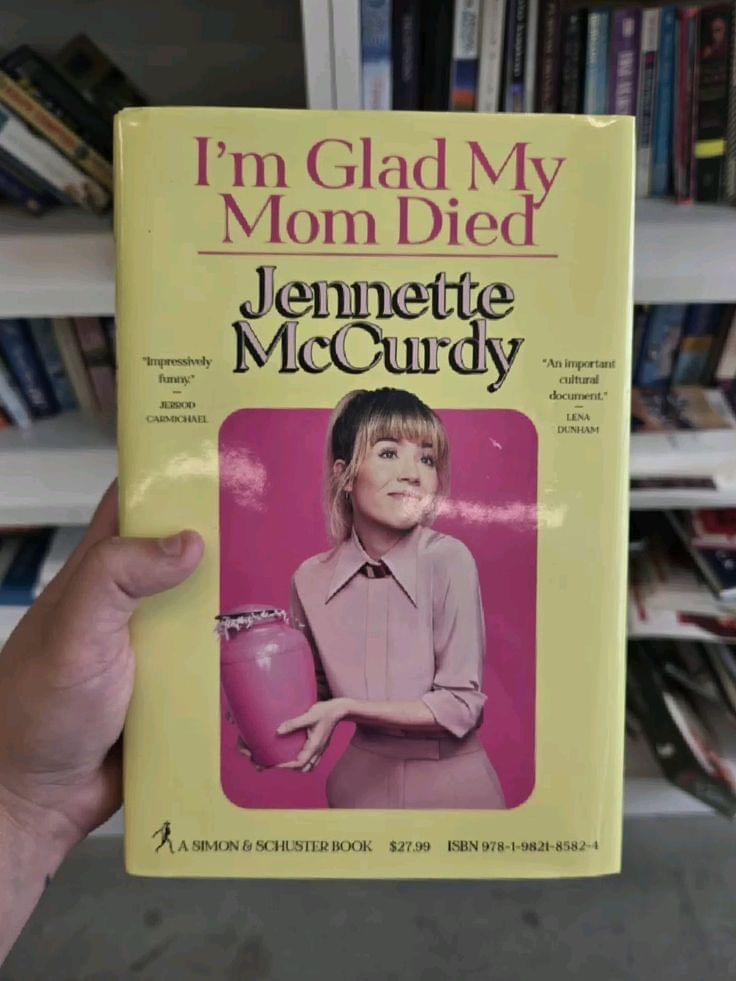
My daughter posted this on her FB page. I’ve never read or heard of this book and I didn’t send it to her. I’ve had no contact with her for over 6 years. They all ghosted me. She is a covert narcissist. When she no longer needed me she discarded me and convinced everyone I abused her. I was in shock. I told her I did everything for her and my now-grown grandchildren. She said every parent does that. No big deal.
I’m mostly healed from the estrangement, but this post angered me due to her total lack of gratitude. I raised my kids alone after finding their father dead from suicide. I was only 22 years old. I had no help and it was not easy. I showered my kids with love constantly. I guess hardship is considered abuse now. There is no abuse worse than an adult child discarding their elderly mother. There is no greater pain.
This is her post.
It Didn’t Start with You: How Inherited Family Trauma Shapes Who We Are and How to End the Cycle by Mark Wolynn
It Didn’t Start with You is about how trauma is passed down generationally, and how to heal it.
In my (unpopular, according to reviews) opinion, the reason this book has sold so well is because we, as a society, don’t know why we’re traumatized. It’s easier for us to paint over a dirty fence, attempting to bandage our family problems through “feel good” efforts.
Wolynn suggests that we all have inherited familial trauma that’s passed down through our DNA, and once we become aware of what our parents and grandparents experienced, we can heal all wounds and have happy relationships.
Easy peasy.
Maybe when you’ve had the ideal upbringing. But did you?
He doesn’t address dysfunction or abuse within the family. Instead he suggests being compassionate towards them, as if knowing about their traumas will absolve them from anything they may have done to you when you were growing up, or even as an adult.
Learned behaviors, beliefs, and feelings that have formed as a result of one’s experiences within the family—Wolynn attributes these to genetic generational trauma, subconscious memories from our ancestors. To him, these drive our behavior. He uses this framework for his system of “healing.” He does not address poverty, hardship, or emotional, verbal, physical, or sexual abuse.
He shares stories about his patients’ sense of relief and healing, but their underlying challenges have not been addressed, their relationships not truly changed. If none of the reader’s personal circumstances are looked at, all of this “generational trauma” is conjecture. The fence is still dirty and the paint peels sooner or later.
“We must first repair our broken relationships with our parents.”
How does he suggest that we do this? He suggests we take responsibility for our parents. He doesn’t suggest how to seek a relationship with them where they do the same. If they took responsibility for their past grievances, they would change their behavior, not in the short term, but for the long haul.
The onus falls on the adult child.
If your parents experienced past traumas, it doesn’t mean they win a “get out of jail free card.”
Wolynn states, “You can’t change what was, but you can change what is, as long as you don’t expect your parents to change or be different from who they are. It is you who must hold the relationship differently. That’s your work. Not your parent’s work. The question is are you willing?”
You can be compassionate and understand your parents’ pain, but that doesn’t mean you must acquiesce to dysfunction or abuse.
Here are a couple of my favorite “healing sentences” he suggests using if you’ve “rejected” a parent:
“I’m sorry for how difficult I’ve been.”
“I’ll take your love as you give it, not as I expect it.”
“I’m sorry that I pulled away. I promise, for the remaining time we have together, I’ll be closer.”
People think this is helping them, but it’s putting them through the same pain their parents did.
It Didn’t Start with You is dysfunctional therapy. I’m concerned for any vulnerable person who seeks out this type of “therapy”, or for any therapist who employs its ideas. It’s better suited to line a bird cage.
In fact, this book did line my bird’s cage. That’s because my abusive mother sent it to me after I finally cut contact—to absolve herself from her behavior, and to tell me that it’s my fault.
You can heal even if your parents refuse to.
A book , I find horribly sad
I’m Glad My Mom Died by Jennette McCurdy is a powerful and deeply personal memoir that explores themes of control, abuse, self-discovery, and healing. Through candid storytelling, McCurdy reflects on her childhood as a child actor, her complex relationship with her mother, and her journey to finding her own identity.
Here are 10 lessons from the book:
1. Abuse Isn’t Always Obvious: Emotional manipulation and control, often disguised as love or care, can be just as harmful as physical abuse.
2. Seeking Approval Can Be Dangerous: The constant need to please others, especially parents, can lead to losing touch with your own desires and identity.
3. Trauma Shapes Behavior: Many struggles, such as eating disorders or anxiety, stem from unresolved trauma. Understanding the root of these issues is the first step to healing.
4. Setting Boundaries Is Essential: Breaking free from toxic relationships, even with family members, is necessary to protect your mental and emotional health.
5. Healing Is a Nonlinear Process: Recovery from abuse and trauma isn’t straightforward—it’s filled with ups and downs, but progress is possible.
6. Your Worth Isn’t Tied to Achievement: External success, like fame or wealth, doesn’t equate to personal fulfillment or self-worth.
7. Parents Aren’t Always Right: While we often view parents as infallible, it’s important to recognize and address their flaws and the harm they may cause.
8. It’s Okay to Feel Anger: Acknowledging and processing anger toward those who’ve hurt us is a healthy part of healing, even if it’s directed at a parent.
9. Self-Discovery Takes Time: Reclaiming your identity after years of control requires patience, exploration, and self-compassion.
10. Humor Can Be a Coping Mechanism: Finding humor in painful experiences can help process trauma and make it more bearable, though it’s important to balance humor with honesty.
Jennette McCurdy’s memoir is a raw, honest, and often darkly humorous account of surviving and healing from a painful past, ultimately offering hope to anyone navigating their own struggles.
GET BOOK: https://amzn.to/4eP38rM
You can also get the AUDIO BOOK for FREE using the same link. Use the link to register for the AUDIO BOOK on Audible and start enjoying it.
Living without emotion
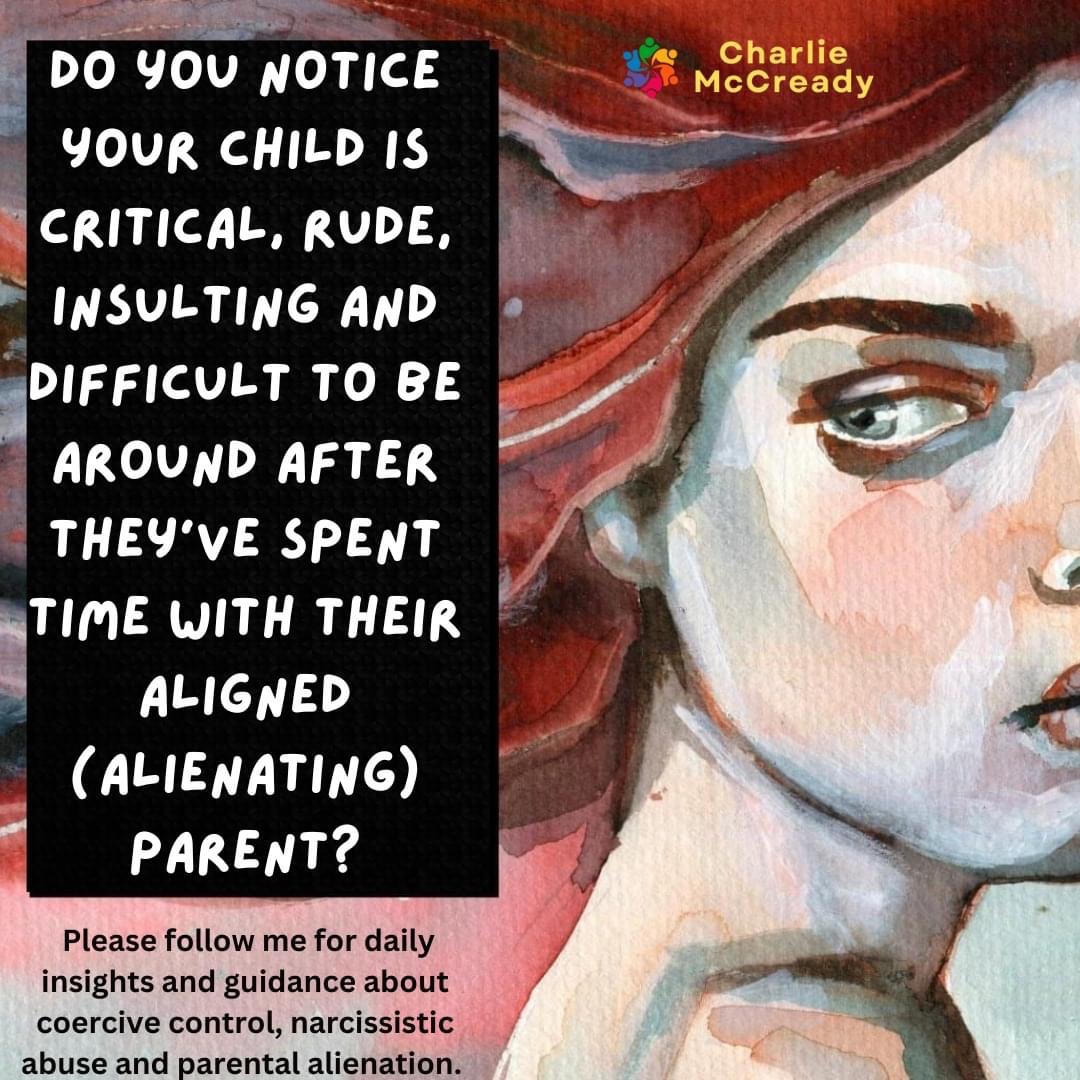
Charlie McCready – worse after visits with Alienator parent
It’s almost as if when they’ve spent time with a toxic, alienating parent (or other), they become contaminated. It can even be a phone call or a five-minute visit. The toxicity is that strong! You might notice an increased contempt or disrespect. I always feel it’s like they’ve plugged into the source of negativity and there’s a boost of activity. Have you noticed something similar?
#charliemccready
#parentalalienationcoach
#parentalalienation
#alienatedchild
#FamilyCourt
#childpsychologicalabuse
#emotionalabuse
#traumabonding
#coercivecontrol
#parentalalienationawareness
#parentalalienationisreal
Cannot build a family with a Narcissist
Narcissist give subtle hints
Yes , there were hints, which intensified, waxed and waned kinda energy .
It took me a long time to understand that his confidences in sharing his
” friends” experiences were in fact his ..
Prowling , with one of his besties , he talked of cruising the prostitution
are of town..3 months after we married .
His employees crossing the highway for lunch hour paid sex ..
So, yes when I wasn’t viable , he wasn’t available, because it wasn’t his
” job ” .
Expressing the same non interest as his Dad expired or a long period
I began to understand that it was problem with him, and ditto for Mom.
Our sons follow this model, and it’s been heart breaking .. I am worthy
of being cared for .
This Dr’s message was indeed a gift , on this full moon 🌕 Gemini .
Blessings & Peace 🫶🏼
Dona Luna
Nameless Dead Ascend/ Mad in America
Poem of the Week: “When the Lunatics Arise” by Bonnie Schell
Excerpt:
The nameless dead ascend, limp forward then soar, breaking through the thin clouds.
They rise, shouting their full names into the skies.
And drift from numbered body to body whispering, “It is safe. It is safe.”
Shackled, sterilized, lobotomized, now upright the strangers stand, meet and greet their peers
From across the land – 300,000 acres – of public asylums and state hospitals.
From deep valleys they arise, levitating above the priests with their liturgies of exorcism,
And the doctors with their Diagnostic and Statistical Manuals.
They run up the hills and are not weary. They fly and do not tire or fall.
Look up! Open your SUV and condo windows. Crook your neck and see!
All the shunned ones, missing from scrapbooks, removed from Ancestry trees,
All the ones who swallowed secrets, stuttered, became silent
All the ones never invited to the weddings, graduations, birthdays, bar mitzvahs, and death beds, Deprived of connection, now say “Hello you.”
Read the full poem here: https://www.madinamerica.com/2024/10/when-lunatics-arise-bonnie-schell/

Narcissist- Scapegoats
It absolutely intentional
 GreatCosmicMothersUnite