Being fair to her

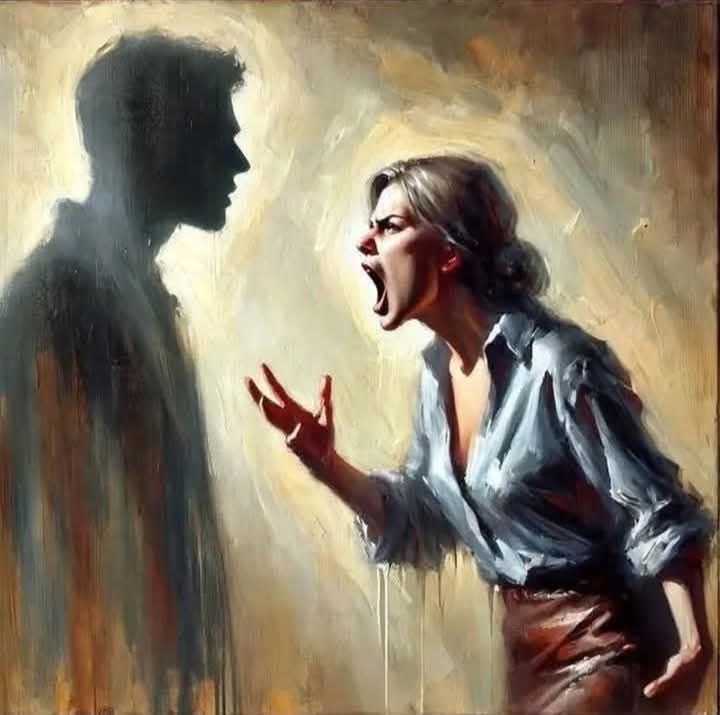
If you think her reactions are always excessive or out of place, maybe it’s time to look at yourself.

A woman doesn’t just become difficult or hot-headed for no reason; most of the time, it’s a reaction to the way you treat her.

Are you focusing on every little flaw of hers? Do you point out her mistakes while ignoring your own? When was the last time you really took a hard look in the mirror and asked yourself if you’re being fair to her?

She’s not the problem if all you’re showing her is disrespect, neglect, or indifference. You can’t just judge her like that when your own behavior is left unchecked.

If you want a woman to love you fully, you need to take care of her trust and respect. In the end, she’s not looking for perfection. She just wants to feel valued by you, in both words and actions. Maybe the reason you think she’s toxic is because you haven’t yet understood the importance of being a responsible partner.

Wolves & Women

“Wolves and women have much in common. Both share a wild spirit. Women and wolves are instinctual creatures, able to sense the unseen. They are loyal, protective of their packs and their pups. They are wild and beautiful. Both have been hunted and captured. Even in captivity, one can see in the eyes of a woman, or a wolf, the longing to run free, and the determination that should the opportunity arise, whoosh, they will be gone.”

~ Clarissa Pinkola Estés

Art by Debbie Clark

Men – Woman / Relationships

Romantic relationships are more central to men’s well-being than women’s, according to recent research.

Popular culture suggests women prioritize romantic relationships more than men, though recent evidence paints a different picture. Studies often depict women as emotionally dependent on their partners, while men are stereotypically viewed as independent and emotionally reserved. These assumptions have influenced not only cultural narratives but also academic research.

Iris V. Wahring and colleagues challenge this narrative by providing a comprehensive analysis of how romantic relationships impact men and women differently, drawing on interdisciplinary research across psychology, sociology, and evolutionary biology.

The researchers argue that men, on average, rely more on their romantic partners for emotional support and intimacy than women do. They suggest that this discrepancy stems from gendered socialization patterns: men are less likely to cultivate strong, emotionally supportive friendships or family ties outside of romantic relationships, while women are encouraged to develop broader networks of intimacy and care. These differences make romantic relationships disproportionately significant for men in fulfilling emotional and psychological needs.

The authors outline four key findings to support their argument. First, men expect greater benefits from relationships and are more motivated to form romantic partnerships. Compared to women, men perceive romantic relationships as offering a more substantial improvement in their well-being, partly because they tend to have fewer alternatives for fulfilling emotional and intimacy needs.

For example, research indicates that single men are more likely than single women to actively search for a partner, and men are more likely to idealize romantic connections, believing in concepts such as “love at first sight” and confessing love earlier in a relationship. Men also report falling in love more often and more quickly than women, reinforcing their stronger drive to initiate romantic involvement.

Second, men derive more mental and physical health benefits from romantic involvement compared to women. Romantic relationships provide men with a source of emotional support, which translates to higher life satisfaction, improved mental health, and better physical health outcomes. The paper cites evidence showing that single men experience higher rates of depression, stress, and loneliness compared to single women, and men who lack a partner are at greater risk of adverse health outcomes, including reduced life expectancy.

Conversely, married or partnered men tend to experience lower rates of hypertension, inflammation, and other health issues compared to single men. Women’s broader social networks and alternative sources of support mean that they are less dependent on their romantic partners for these health benefits, resulting in a weaker overall association between relationship status and health for women.

Third, men are less likely to initiate breakups than women, partly due to their stronger dependence on the emotional support provided by romantic partners. The authors highlight that approximately 70% of divorces are initiated by women, and women are more likely to end non-marital relationships as well. Men’s greater reluctance to end relationships is explained by their perception that the costs of leaving, primarily the loss of emotional and intimacy support, outweigh the potential benefits. Additionally, men are less likely to view breakups as opportunities for growth or self-discovery, further decreasing their likelihood of initiating separation.

Fourth, men experience greater emotional and psychological distress following the dissolution of a romantic relationship. After a breakup, men are more likely to report feelings of loneliness, sadness, and reduced life satisfaction compared to women. They also experience more severe physical health consequences, including an increased risk of suicide and mortality after losing a partner through separation or death. The authors argue that these negative outcomes are tied to men’s dependency on romantic partners as their primary source of emotional support. Women, by contrast, are more likely to turn to friends and family for support during and after a breakup, which helps them cope more effectively and recover more quickly.

These findings are grounded in broader societal and cultural norms that discourage men from seeking or expressing emotional vulnerability outside of romantic relationships. From an early age, men are socialized to prioritize independence and emotional restraint, which limits their ability to form deep, supportive connections with friends and family. As a result, romantic partners often become the sole providers of emotional intimacy and care in men’s lives. This dynamic explains why men tend to strive harder for relationships, benefit more from being in them, and struggle more deeply when they end.

Wahring and colleagues highlight the importance of rethinking cultural narratives around gender and relationships, particularly in recognizing men’s emotional vulnerabilities and their reliance on romantic relationships for well-being.

Mane Kara-Yakoubian

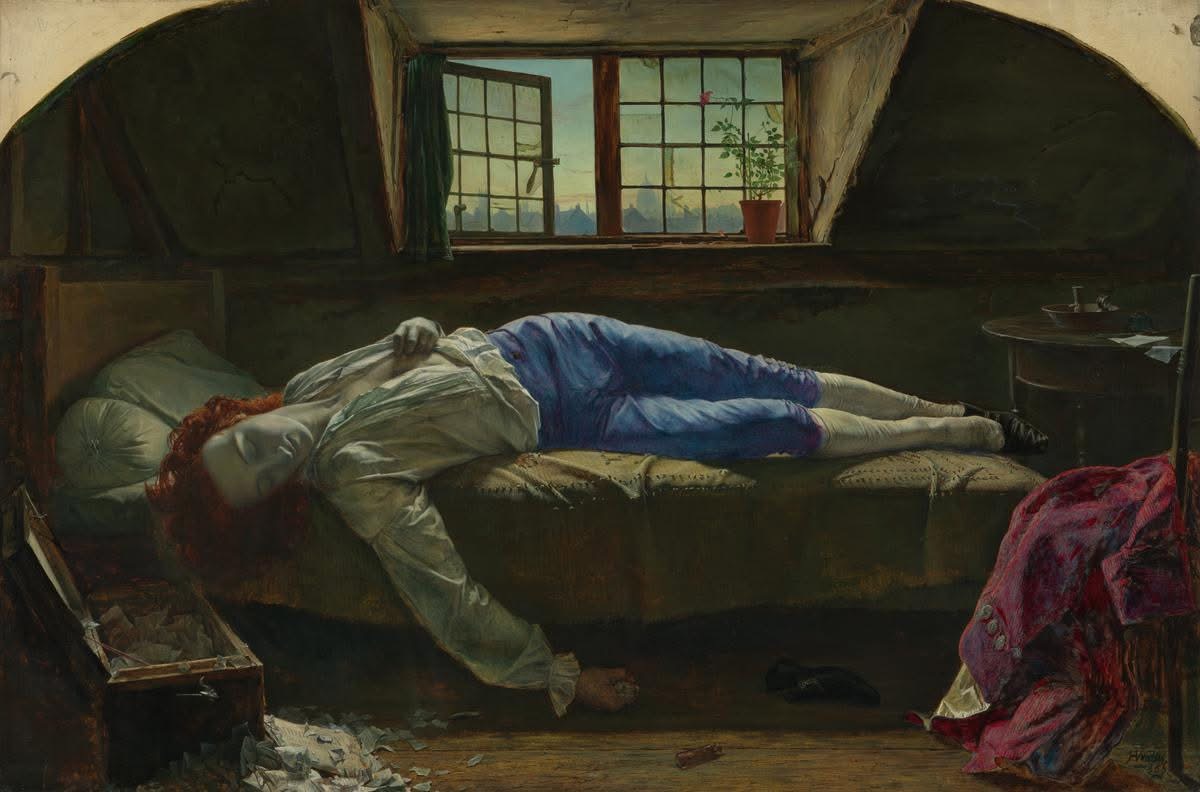
Art- Chatterton, 1856, Henry Wallis. Visual description-The painting depicts the impoverished late 18th-century poet Thomas Chatterton, who poisoned himself in despair at the age of seventeen, and was considered a Romantic hero for many young and struggling artists at the time. The poet is lying on a bed, his eyes closed and his long red hair falling away underneath an open window.
Happy Woman

If you want your woman to be truly happy in your presence—whether you’re with her or away—there are some simple yet powerful things you must do.

Observe her throughout the day. Pay attention to her actions, her energy, and her behavior. Is she constantly in her masculine role—making decisions, solving problems, handling responsibilities, and always being in control? If she is, she may not truly be happy. She is simply surviving alongside you. She is not thriving in her feminine essence.

A woman who is happy in her relationship moves with softness, grace, and flow. She is not constantly on edge, not always calculating the next step, not always carrying the weight of the world on her shoulders. If she is in a state of constant stress and pressure, she cannot fully relax into her feminine nature. And if she cannot relax, no matter how much you try to hold her, she will not truly feel your touch.

Your touch is not just about physical contact; it is about how safe, cherished, and adored she feels with you. If she is emotionally burdened, your touch will feel distant, empty, or even irritating. But if she feels held, seen, and supported, even the slightest touch from you will melt her.

After marriage, a woman’s energy tells you everything. If she is glowing, laughing effortlessly, and moving through life with a sense of ease, she feels safe in your presence. She trusts you—not just to love her, but to carry the weight of life alongside her.

If she has to handle everything alone, if she is always the one making the decisions, if she is never allowed to just be soft, she will slowly disconnect from her femininity. She may still love you, but she will not feel deeply desired, and over time, the relationship will lose its warmth.

A woman in her natural feminine essence is not meant to be rigid, controlling, or always in her logical mind. She is meant to trust, to flow, to feel safe enough to surrender into her emotions, her love, and her softness. This does not mean she is weak—it means she is aligned with her true nature.

And as a man, you play a role in this. You create the environment where she can either thrive or shut down. If you lead with strength, direction, and emotional presence, she will naturally soften in your presence. If you are passive, disconnected, or inconsistent, she will harden to protect herself.

Ask yourself: Does she feel safe with me? Does she trust me enough to let go? Do I make her feel like a woman, or have I left her to handle life as if she were alone?

Your woman’s energy is a direct reflection of how you show up as a man. If she is radiant, at peace, and emotionally open, she is not just living with you—she is deeply happy with you.

Love her in a way that allows her to rest in her femininity, and you will never have to question whether she is happy by your side.

– Abhikesh

Peeling off the mask

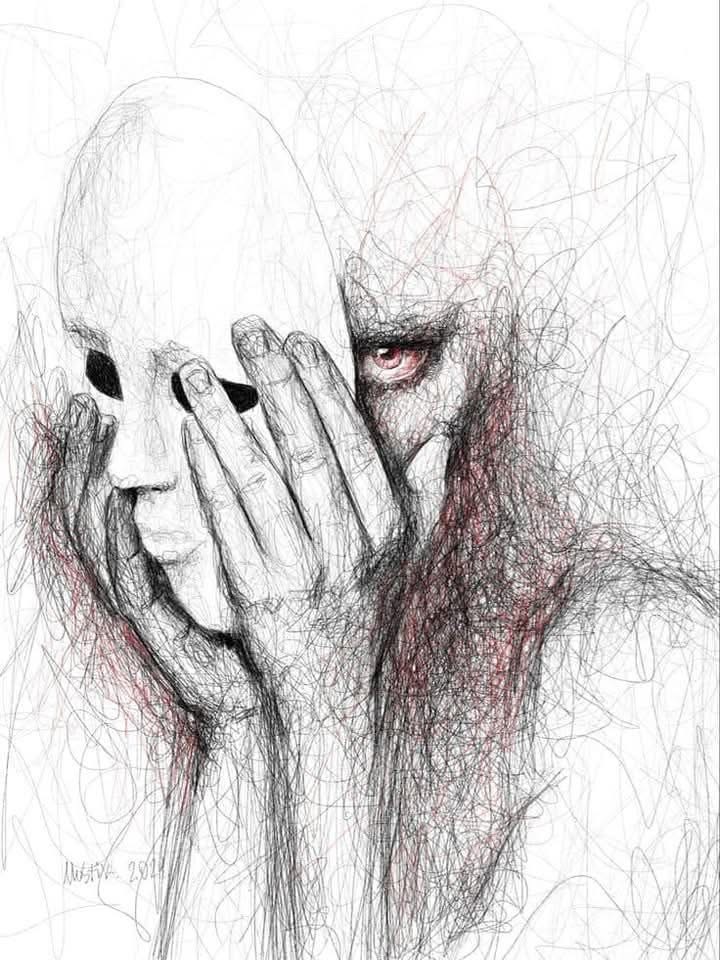
Perhaps one of the hardest things in the world is discovering the true face hidden behind the mask of someone you hold dear—and being unable to accept it. Knowing everything yet pretending to know nothing.

After immense pain, betrayal, and broken trust, not everyone can scream in anger, cry their eyes out, or forgive generously. Nor does everyone possess the extraordinary strength to seek revenge. Some are left with a vague, intense sense of hurt—silent, unspoken, and deeply personal. A cold, bloodless battle fought within oneself.

In this battle, one must endure countless sleepless nights of unbearable agony. There are moments when one feels unbearable even to themselves, exhausted from trying to convince their own heart. The cruel stabs of shattered trust gnaw at the mind. And when you try to walk away from the relationship, stepping over the shards of broken trust to find peace, they shift the entire blame onto you. Their eyes show no remorse. They treat you as if you are the betrayer.

But they never understand the struggle of walking away from a heart where, at one time, you sought refuge in God’s name. They can’t comprehend the mental agony, the powerless days, the pain of sleepless nights, the fire in your tear-dried eyes, or the silent screams tearing through your chest. They don’t realize how a lively person—once someone who tried to spread joy in everyone’s life—becomes an empty shell, alive yet lifeless. They don’t understand, nor do they want to.

Sometimes, you feel like collapsing into someone’s arms and crying your heart out. You long to share your deepest wounds, to find a bit of solace. You yearn for someone to comfort you with oceans of affection, to caress your head and soothe the blazing fire in your heart with tender love. You wish for your sleepless eyelids to finally find rest in a blissful slumber.

Yet, like a fallen star, we never meet those things again—not the stories, not the love, not the relationships, nor the people. All that remains are sighs and an endless emptiness, scattered like fragrant autumn flowers along the path of life.

#sunnylargefollowers

She’s Tired

She’s tired of the psychological mind games and people pretending to be someone they’re not.

She’s tired of the shallow conversations with people that only care about themselves.

She’s tired of attention from men with hidden agendas.

She’s tired of being treated like an option when she should have been treated like a priority from the first conversation.

She’s tired of spending countless nights questioning her own self worth.

She’s tired of people not respecting her boundaries and forcing her to do things she’s not ready to do.

She’s at a point in her life where she wants to be loved correctly or be left alone completely.

~ Cody Bret

“All men are created equal” reality

This is amazing 🤩

www.facebook.com/share/v/19yPq34itw/