
Tag: communication
Movie – Ms Doubt fire , depicts parental alienation
Clips of the movie within this video
Estrangement example
There are many professionals who have addressed the alienation and trauma of family estrangement and many are dangerous concepts . Inner healing is individual and should be as long and hard process .
I have statistics that state 1 of 5 kids are affected and that demands better therapies , better treatment, more educated and legal professionals and procedures that are based on truths , on facts and ultimately in the best interest of each family member , Justice , and the child that does not require treatments , prescription medications and life experiences that are more than challenging.
My daughter posted this on her FB page. I’ve never read or heard of this book and I didn’t send it to her. I’ve had no contact with her for over 6 years. They all ghosted me. She is a covert narcissist. When she no longer needed me she discarded me and convinced everyone I abused her. I was in shock. I told her I did everything for her and my now-grown grandchildren. She said every parent does that. No big deal.
I’m mostly healed from the estrangement, but this post angered me due to her total lack of gratitude. I raised my kids alone after finding their father dead from suicide. I was only 22 years old. I had no help and it was not easy. I showered my kids with love constantly. I guess hardship is considered abuse now. There is no abuse worse than an adult child discarding their elderly mother. There is no greater pain.
This is her post.
It Didn’t Start with You: How Inherited Family Trauma Shapes Who We Are and How to End the Cycle by Mark Wolynn
It Didn’t Start with You is about how trauma is passed down generationally, and how to heal it.
In my (unpopular, according to reviews) opinion, the reason this book has sold so well is because we, as a society, don’t know why we’re traumatized. It’s easier for us to paint over a dirty fence, attempting to bandage our family problems through “feel good” efforts.
Wolynn suggests that we all have inherited familial trauma that’s passed down through our DNA, and once we become aware of what our parents and grandparents experienced, we can heal all wounds and have happy relationships.
Easy peasy.
Maybe when you’ve had the ideal upbringing. But did you?
He doesn’t address dysfunction or abuse within the family. Instead he suggests being compassionate towards them, as if knowing about their traumas will absolve them from anything they may have done to you when you were growing up, or even as an adult.
Learned behaviors, beliefs, and feelings that have formed as a result of one’s experiences within the family—Wolynn attributes these to genetic generational trauma, subconscious memories from our ancestors. To him, these drive our behavior. He uses this framework for his system of “healing.” He does not address poverty, hardship, or emotional, verbal, physical, or sexual abuse.
He shares stories about his patients’ sense of relief and healing, but their underlying challenges have not been addressed, their relationships not truly changed. If none of the reader’s personal circumstances are looked at, all of this “generational trauma” is conjecture. The fence is still dirty and the paint peels sooner or later.
“We must first repair our broken relationships with our parents.”
How does he suggest that we do this? He suggests we take responsibility for our parents. He doesn’t suggest how to seek a relationship with them where they do the same. If they took responsibility for their past grievances, they would change their behavior, not in the short term, but for the long haul.
The onus falls on the adult child.
If your parents experienced past traumas, it doesn’t mean they win a “get out of jail free card.”
Wolynn states, “You can’t change what was, but you can change what is, as long as you don’t expect your parents to change or be different from who they are. It is you who must hold the relationship differently. That’s your work. Not your parent’s work. The question is are you willing?”
You can be compassionate and understand your parents’ pain, but that doesn’t mean you must acquiesce to dysfunction or abuse.
Here are a couple of my favorite “healing sentences” he suggests using if you’ve “rejected” a parent:
“I’m sorry for how difficult I’ve been.”
“I’ll take your love as you give it, not as I expect it.”
“I’m sorry that I pulled away. I promise, for the remaining time we have together, I’ll be closer.”
People think this is helping them, but it’s putting them through the same pain their parents did.
It Didn’t Start with You is dysfunctional therapy. I’m concerned for any vulnerable person who seeks out this type of “therapy”, or for any therapist who employs its ideas. It’s better suited to line a bird cage.
In fact, this book did line my bird’s cage. That’s because my abusive mother sent it to me after I finally cut contact—to absolve herself from her behavior, and to tell me that it’s my fault.
You can heal even if your parents refuse to.
A book , I find horribly sad
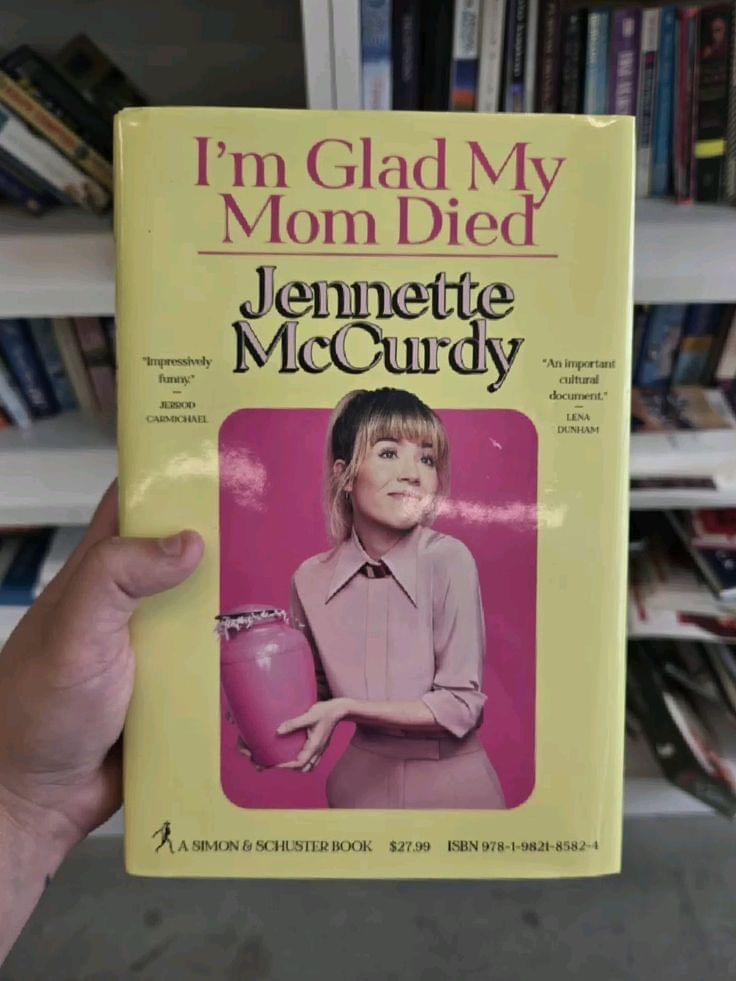
I’m Glad My Mom Died by Jennette McCurdy is a powerful and deeply personal memoir that explores themes of control, abuse, self-discovery, and healing. Through candid storytelling, McCurdy reflects on her childhood as a child actor, her complex relationship with her mother, and her journey to finding her own identity.
Here are 10 lessons from the book:
1. Abuse Isn’t Always Obvious: Emotional manipulation and control, often disguised as love or care, can be just as harmful as physical abuse.
2. Seeking Approval Can Be Dangerous: The constant need to please others, especially parents, can lead to losing touch with your own desires and identity.
3. Trauma Shapes Behavior: Many struggles, such as eating disorders or anxiety, stem from unresolved trauma. Understanding the root of these issues is the first step to healing.
4. Setting Boundaries Is Essential: Breaking free from toxic relationships, even with family members, is necessary to protect your mental and emotional health.
5. Healing Is a Nonlinear Process: Recovery from abuse and trauma isn’t straightforward—it’s filled with ups and downs, but progress is possible.
6. Your Worth Isn’t Tied to Achievement: External success, like fame or wealth, doesn’t equate to personal fulfillment or self-worth.
7. Parents Aren’t Always Right: While we often view parents as infallible, it’s important to recognize and address their flaws and the harm they may cause.
8. It’s Okay to Feel Anger: Acknowledging and processing anger toward those who’ve hurt us is a healthy part of healing, even if it’s directed at a parent.
9. Self-Discovery Takes Time: Reclaiming your identity after years of control requires patience, exploration, and self-compassion.
10. Humor Can Be a Coping Mechanism: Finding humor in painful experiences can help process trauma and make it more bearable, though it’s important to balance humor with honesty.
Jennette McCurdy’s memoir is a raw, honest, and often darkly humorous account of surviving and healing from a painful past, ultimately offering hope to anyone navigating their own struggles.
GET BOOK: https://amzn.to/4eP38rM
You can also get the AUDIO BOOK for FREE using the same link. Use the link to register for the AUDIO BOOK on Audible and start enjoying it.
Reality check
Before you say yes, get him angry. See him scared, see him wanting, see him sick. Stress changes a person. Find out if he drinks and if he does, get him drunk – you’ll learn more about his sober thoughts. Discover his addictions. See if he puts you in front of them. You can’t change people, baby girl. If they are made one way, it doesn’t just wear off. If you hate how he acts when he’s out it now, you’re going to hate it much worse eight years down the road. You might love him to bits but it doesn’t change that some people doesn’t fit.
Men : Getting the woman you take care of ❤️🙌
There’s a man out there who will tell you that she’s crazy, emotionally unstable, and aggressive.
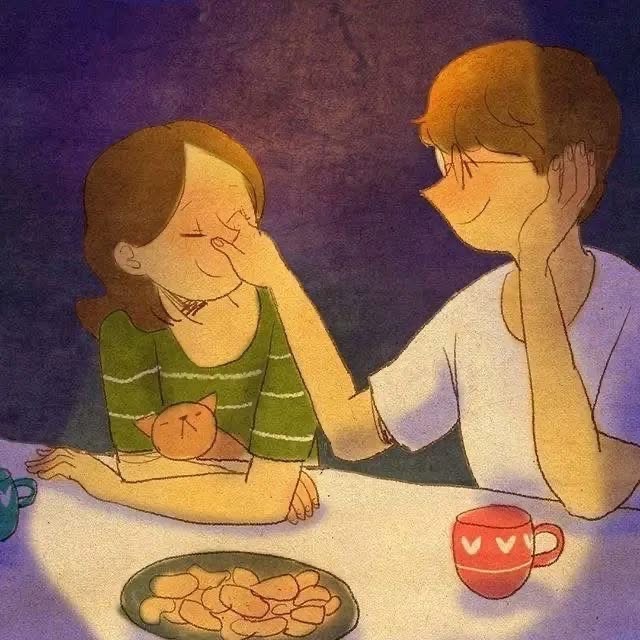
There’s also a man who will say he’s never felt more appreciated and respected, that she has created the safest space for him, and that being around her makes him feel nurtured, cared for, and at peace.
Believe them both!
You get the woman you take care of, whatever you give her, she will reflect back to you.
If you show up in confusion, gaslighting her, or are indecisive, of course she’ll seem crazy! 💯
However, if you show up with clarity, know how to lead, and make this a safe space, you’ll see a totally different woman.

Love “ correction “
“Men Only Correct the Women They Love” – A Harsh Truth
Listen up, men. If you’re letting a woman spiral into chaos without stepping in, you don’t love her—you’re just playing along for your own convenience. Real love isn’t about passive acceptance; it’s about stepping up, holding her accountable, and guiding her toward becoming her best self. If you can’t do that, you’re either afraid or uninterested in her future.
A man who has no long-term plans for a woman will let her “do anyhow.” He’ll let her dress half-naked, smoke, drink recklessly, and act wild because he doesn’t care about her future—he’s just there for the short-term thrill. He’s not investing in her as a partner; he’s exploiting her. And the worst part? Many women prefer this. They mistake his silence for love, not realizing that a man who doesn’t correct them doesn’t respect them.
Contrast this with a man who truly loves a woman. He won’t sit back and let her ruin herself. He’ll tell her the hard truths, even if it stings. If she’s dressing inappropriately or engaging in self-destructive habits, he’ll confront her because he cares. He’s not controlling her—he’s protecting her. Real love involves discipline and correction because he sees her potential and wants to build a future together.
But here’s the problem: many women can’t handle being corrected. They’d rather soak in their emotions, complain to friends, and hear lies like, “You deserve better, babe.” They confuse guidance with control, rejecting the very men who care enough to hold them accountable. Meanwhile, they cling to men who let them do whatever they want—men who don’t care about their future. The cycle is predictable, and the outcome is always the same: regret.
Men, stop enabling chaos. If a woman rejects correction, she’s not worth your time. A woman who truly values you will respect your guidance, not resent it. Correction isn’t about control—it’s an act of love. If you love her, you want her to be the best version of herself. But if she can’t handle accountability, she’s not ready for a real relationship.
And women, understand this: a man who corrects you isn’t your enemy—he’s your ally. The man who stays silent doesn’t care about you; he’s just passing time. The one who calls you out is investing in your future. Don’t confuse his discipline with criticism. He’s building you up, not tearing you down.
The bottom line? Real love isn’t about letting someone “do whatever they want.” It’s about setting standards, holding each other accountable, and building a solid future together. If you’re not willing to correct the woman you’re with, you don’t truly love her. And if she can’t handle correction, she doesn’t love or respect you either.
Stay strong, stay sharp, and demand accountability in every relationship. A woman worth keeping will value your guidance and respect your leadership. Anything less is a waste of time.
Aklahyel Goni

Various Methods of Manipulation
10 SNEAKY WAYS People WILL USE TO MANIPULATE YOU.
1. LOVE BOMBING: flooding with affection to gain control.
2. GASLIGHTING: Making your doubt your reality.
3. SILENT TREATMENT: Ignoring you to make you feel guilty.
4. GUILT TRIPPING: Making you feel responsible for their emotions.
5. PLAYING THE VICTIM: Always being the one who is wronged.
6. FUTURE FAKING: Promising a future that never comes.
7. TRIANGULATION: Using others to make you jealous.
8. BLAME SHIFTING: Turning the table to make you the problem.
9. WITHHOLDING AFFECTION: Using love as a weapon.
10. MINIMIZING FEELINGS: Dismissing your reactions as over reacting.
Be mindful of manipulative people who paint themselves as victims, blame others, and refuse to take any accountability for their wrongdoing. Don’t buy into their stories. Showing sympathy for them plays into their hand..💜✨
Be advised to see deeper than what your eyes can see.
Blessed day!
Not here to Rehabilitate anyone 💯
That negates , the person you try to help from lessons and experiences
that heal and empower themselves and that’s major evolution .
One reason , I began to blog was because I’d reach this point of needing
my space , my peace , my continued healing journey and evolution .
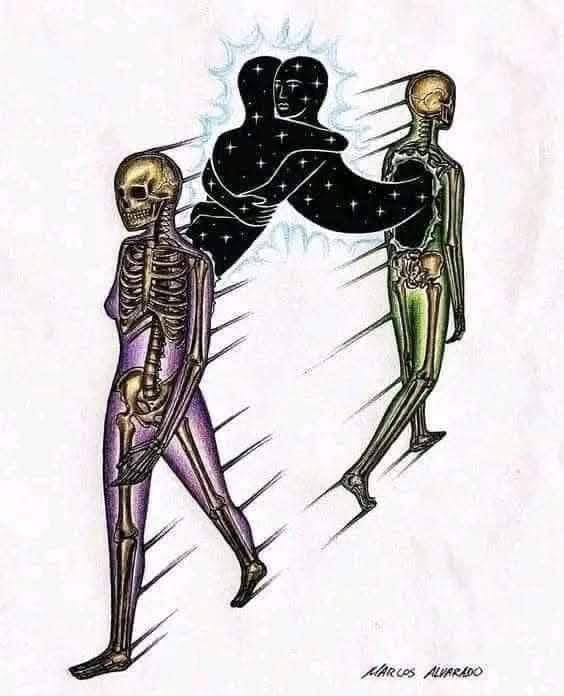
YOU ARE NOT A REHABILITATION CENTER FOR A MAN WHO WAS POORLY RAISED.
It’s not your job to fix him, mold him, or teach him to act like a grown man.
You need a partner, not a project.
If he brings chaos, disrespect, or immature behavior, walk away.
His issues aren’t yours to solve.
If his own parents couldn’t raise him right, it’s unrealistic to think you can.
A real partner already has self respect, maturity, and responsibility.
You deserve peace and support, not a burden.
✍Chris Perry
🎨Vasily Treadiakovsky

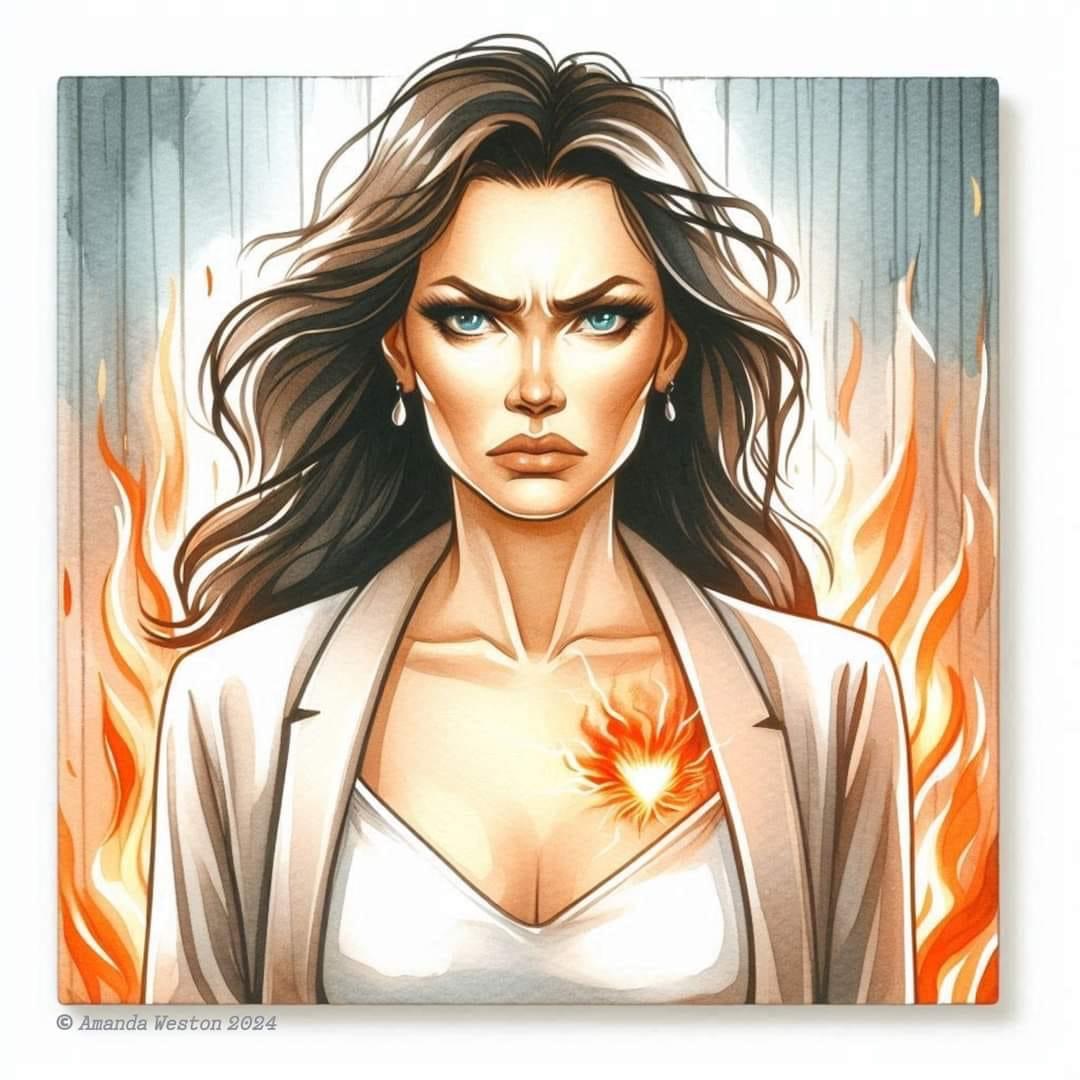
Anger
ᴛʜᴇ ᴍᴏꜱᴛ ᴅᴀɴɢᴇʀᴏᴜꜱ ᴀɴɢᴇʀ ɪꜱ ʙᴜɪʟᴛ ɪɴꜱɪᴅᴇ ꜱᴏᴍᴇᴏɴᴇ ᴡɪᴛʜ ᴀ ɢᴏᴏᴅ ʜᴇᴀʀᴛ.
🌟 It’s the quiet ones. The helpers. The ones who forgive, again and again.
🌟 It’s the ones who swallow their pain to keep the peace.
🌟 It’s the ones who wear a smile even when their soul is screaming.
But here’s the thing about good hearts: they can only take so much.
💔 That anger? It’s like a ticking time bomb.
💔 It’s the years of being overlooked, dismissed, and hurt.
💔 It’s the silent sacrifices that go unnoticed, unappreciated.
When a good heart finally erupts, it’s not just anger. It’s a volcanic explosion of every betrayal, every heartbreak, every moment of silent suffering.
⚡ Beware the anger of a good heart. It’s not born out of hate, but out of a desperate need to protect what remains.
⚡ It’s a cry for justice, for recognition, for a chance to be heard and healed.
⚡ And when that anger speaks, the world should listen.
So to those who carry this silent rage, know this:
❤️ Your anger is valid.
❤️ Your pain is seen.
❤️ Your voice matters.
Use that anger, not to destroy, but to rebuild. To carve out the respect, the love, the understanding you deserve.
And remember, even a good heart has the right to roar. 🗣️🌿
Words and image © Amanda Weston
 GreatCosmicMothersUnite