

Tag: Women
Safe Space
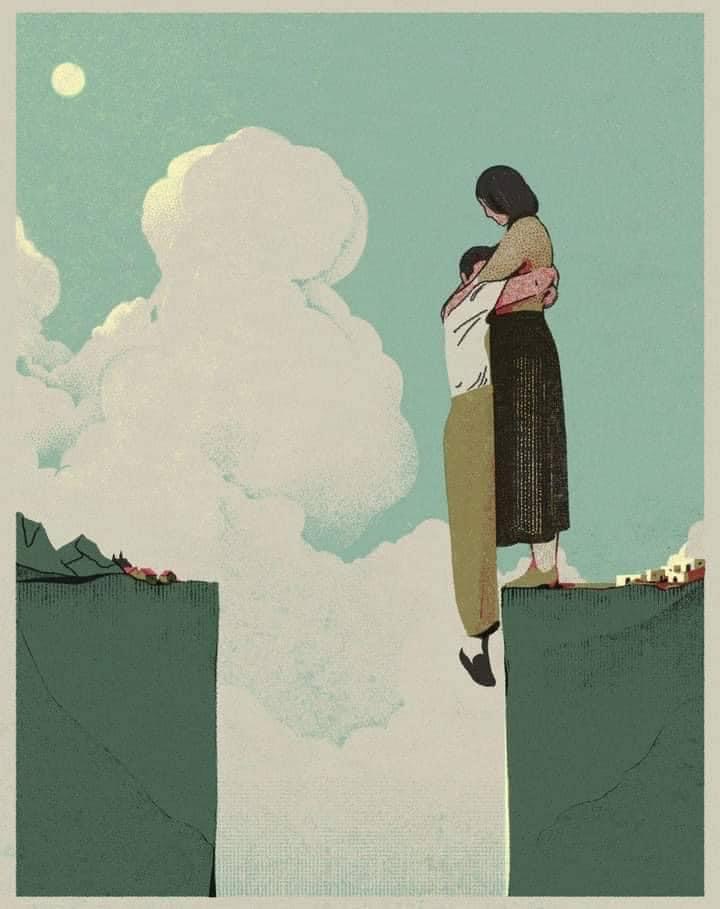
There’s a man out there who will tell you that she’s crazy, emotionally unstable, and aggressive.
There’s also a man who will say he’s never felt more appreciated and respected, that she has created the safest space for him, and that being around her makes him feel nurtured, cared for, and at peace.
Believe them both!
You get the woman you take care of, whatever you give her, she will reflect back to you.
If you show up in confusion, gaslighting her, or are indecisive, of course she’ll seem crazy!
However, if you show up with clarity, know how to lead, and make this a safe space, you’ll see a totally different woman.
Women 80% autoimmune/ Gabor Mate’
Endings could be …
Often, when a woman ends a long-term relationship, the man’s first thoughts are:
She must have found someone else” or “How could she just leave after all these years?”
What many men don’t consider are the countless nights she went to bed feeling worthless because of his disrespect or broken promises to change.
They don’t remember all the times she stood by his side when no one else did, or how she prayed for him to become a better person.
They don’t think about how she always put everyone else’s needs before her own.
They don’t acknowledge how her friends and family urged her to leave, yet she stayed.
No, all that many men can focus on is, “How could she just walk away?”
The truth is, women don’t suddenly wake up one day and decide to leave.
A man’s actions, his words, and the way he makes her feel gradually add up, and eventually, the burden becomes too heavy to bear.
When she stops expressing her frustrations, stops pushing you to understand her perspective, it’s not because she’s given in ~ it’s because she’s planning her way out of the toxic situation.
She didn’t leave to find someone else;
SHE LEFT TO REDISCOVER HERSELF
Stay strong to all the women building the courage to know your worth, 🥀🌷
credit to the rightful owner
Between Worlds
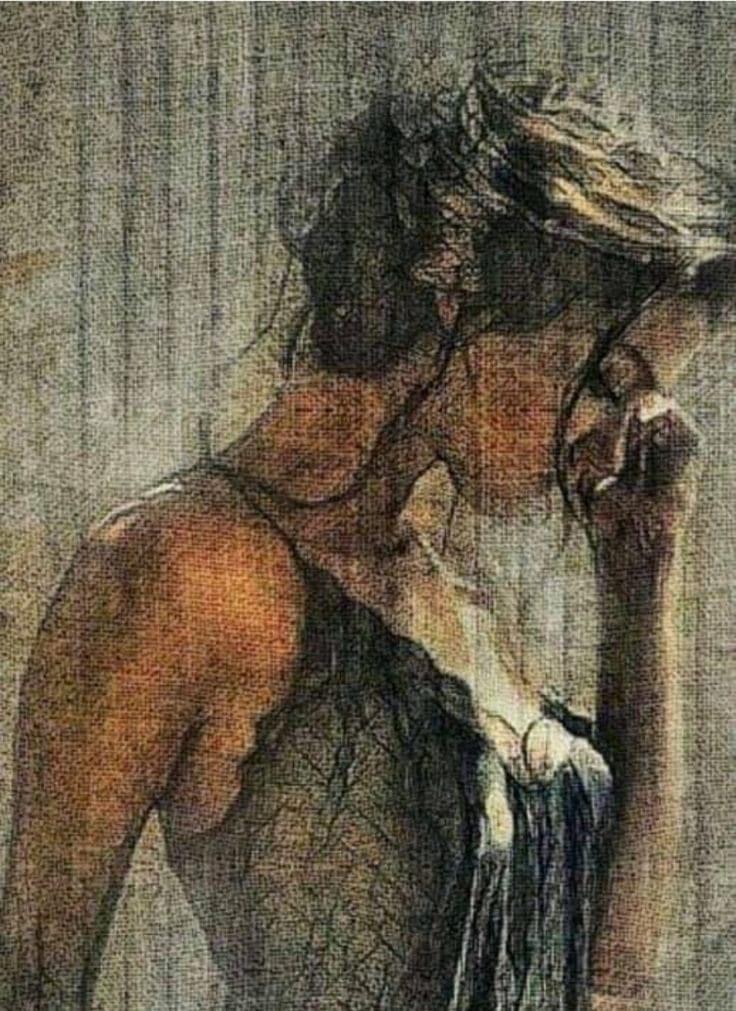
“She’s in between worlds right now.
A part of her is leaving.
But it’s not like before.
She’s holding space this time.
Not sweating it, but breathing beyond her skin.
She’s good.
She’s even shape-shifting.
The raven.
The owl.
She’s unafraid of the bird’s-eye view.
And unlike all those other times, she isn’t scared of the unknown.
She’s present and neither timid nor bold.
It feels beautiful like the song of a blackbird.
And powerful like the rumble of an avalanche.”
Tanya Markul, Author

Cherokee Women – It’s a cellular memory within me . To stand .
In Cherokee culture, women held significant positions and enjoyed certain privileges and responsibilities.Women in Cherokee society were considered equals to men and could earn the title of War Women. They had the right to participate in councils and make decisions alongside men. This equality sometimes led outsiders to make derogatory remarks, such as the accusation of a “petticoat government” by the Irish trader Adair.
Clan kinship was matrilineal among the Cherokee, meaning that family lineage and inheritance were traced through the mother’s side. Children grew up in their mother’s house, and maternal uncles held the role of teaching boys essential skills related to hunting, fishing, and tribal duties.
Women owned houses and their furnishings, and marriages were often negotiated. In the event of a divorce, a woman would simply place her spouse’s belongings outside the house. Cherokee women had diverse responsibilities, including caring for children, cooking, tanning skins, weaving baskets, and cultivating fields. Men contributed to some household chores but primarily focused on hunting.
Cherokee girls learned various skills by observing and participating in their community. They learned story, dancing, and acquired knowledge about their heritage. Women were integral to the Cherokee society, and their roles played a central part in the community’s functioning and adaptation to changing circumstances.

Female Early Education
In 1903, six sisters from Hindman, Kentucky, exemplified determination and resilience as they made the arduous daily journey to their settlement school, walking four miles each way. Hindman, located in the Appalachian foothills, was a remote region where access to education was limited, especially for children in rural areas. For these sisters, the trek was not just a matter of convenience, but of necessity, as the settlement school offered one of the few opportunities for formal education in the region. These young girls, dressed in simple, practical clothing, likely carried homemade books or materials wrapped in cloth, as they navigated through the mountainous terrain, often on foot, regardless of the weather or challenges.
The walk itself, through the rugged hills and valleys of eastern Kentucky, was a daily ritual that not only shaped their physical endurance but also bonded the sisters. It was common in this time and place for children to walk long distances to attend school, as rural communities often lacked school buses or other transportation options. The settlement school they attended was likely part of an effort to bring education to underserved areas, offering basic literacy, vocational training, and other life skills that could help the children improve their circumstances. For these girls, the school was a symbol of hope—a place where they could learn the skills to break free from the limitations imposed by their environment.
Despite the exhausting journey, the sisters likely saw education as a valuable privilege, something that could provide a way out of the hardships of rural life. Their dedication to attending school every day, walking four miles in each direction, reflects a profound commitment to bettering themselves and contributing to the future of their community. Education in such areas was not just about learning from books; it was about developing the tools needed for survival and progress in a challenging world. The image of these six sisters walking together, perhaps in the early morning light or at dusk after a full day of lessons, is a testament to the strength and perseverance of rural families in the early 20th century, who saw education as a path toward a better life, no matter the distance they had to travel.

The murder of Gabby
It has been far too common for women to be dismissed by authorities who could intervene .
Copper/Blue Bloods/War -Science / Education
Beauty & the Beast / Women’s Rights
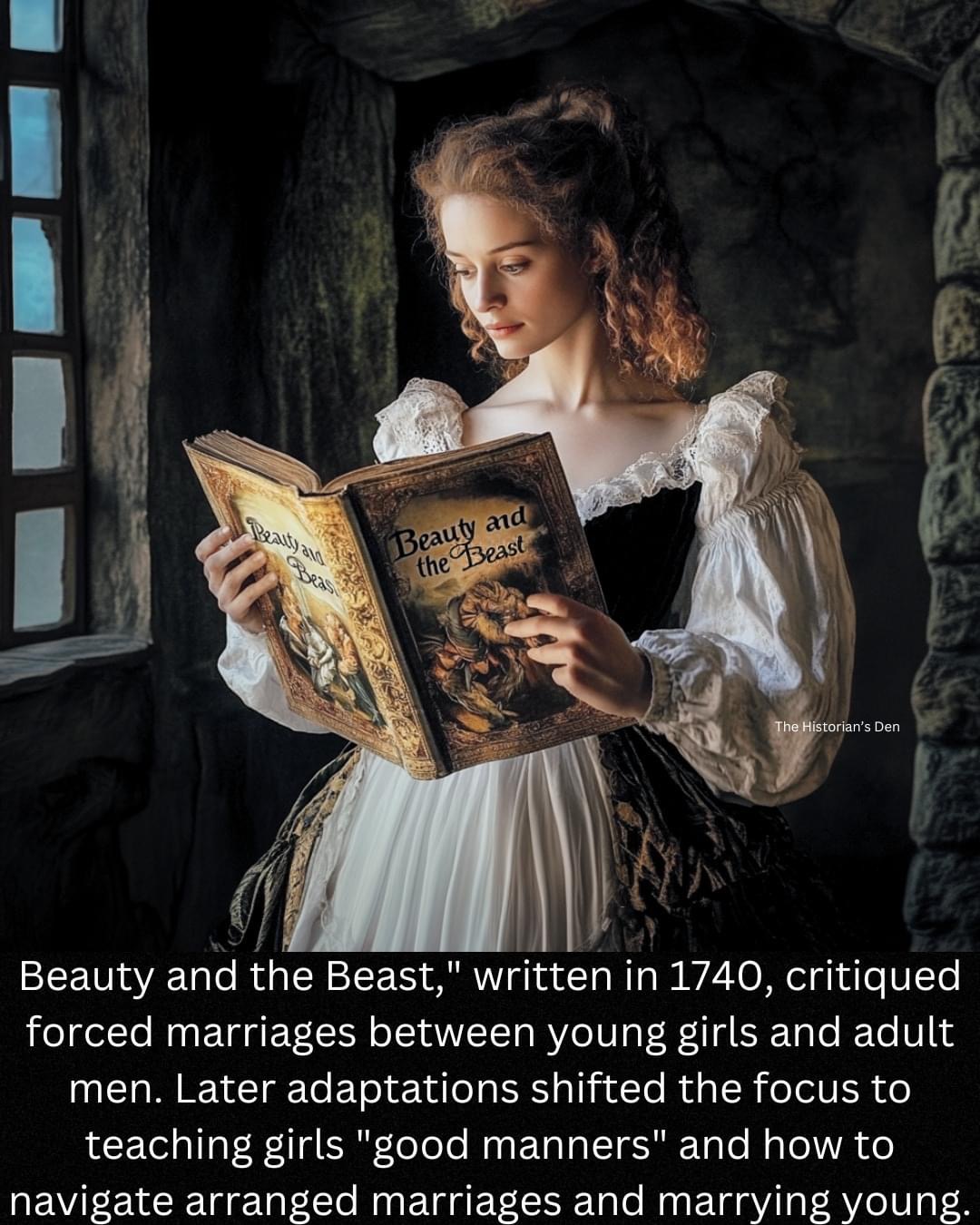
The original version of “Beauty and the Beast,” published in 1740 by Gabrielle-Suzanne Barbot de Villeneuve, was more than just a fairy tale. French writer Jeanne-Marie le Prince de Beaumont later produced the most famous version of the tale, titled “La Belle et la Bête,” in the 1750s. Rather than a simple fantasy, de Beaumont’s rendition served as a critique of women’s rights during that era, cleverly hidden behind layers of marital guidance.
In this version, the “Beauty” character is distinctly comparable to the too-beautiful Madame de Ganges. Like the Marchioness, Beauty willingly goes to, but then is forced to submit to the will of a ferocious beast. De Beaumont’s work sheds light on societal expectations and the challenges faced by women, emphasizing the importance of agency and autonomy in relationships. Later adaptations shifted the emphasis to teaching young girls “good manners” and how to navigate the idea of marrying young and being in arranged marriages. So, while the Disney adaptations may focus on romance and magic, the original tale had deeper layers of meaning.
 GreatCosmicMothersUnite