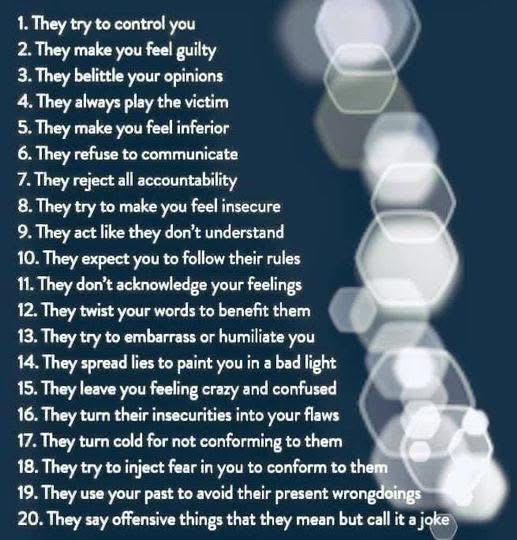
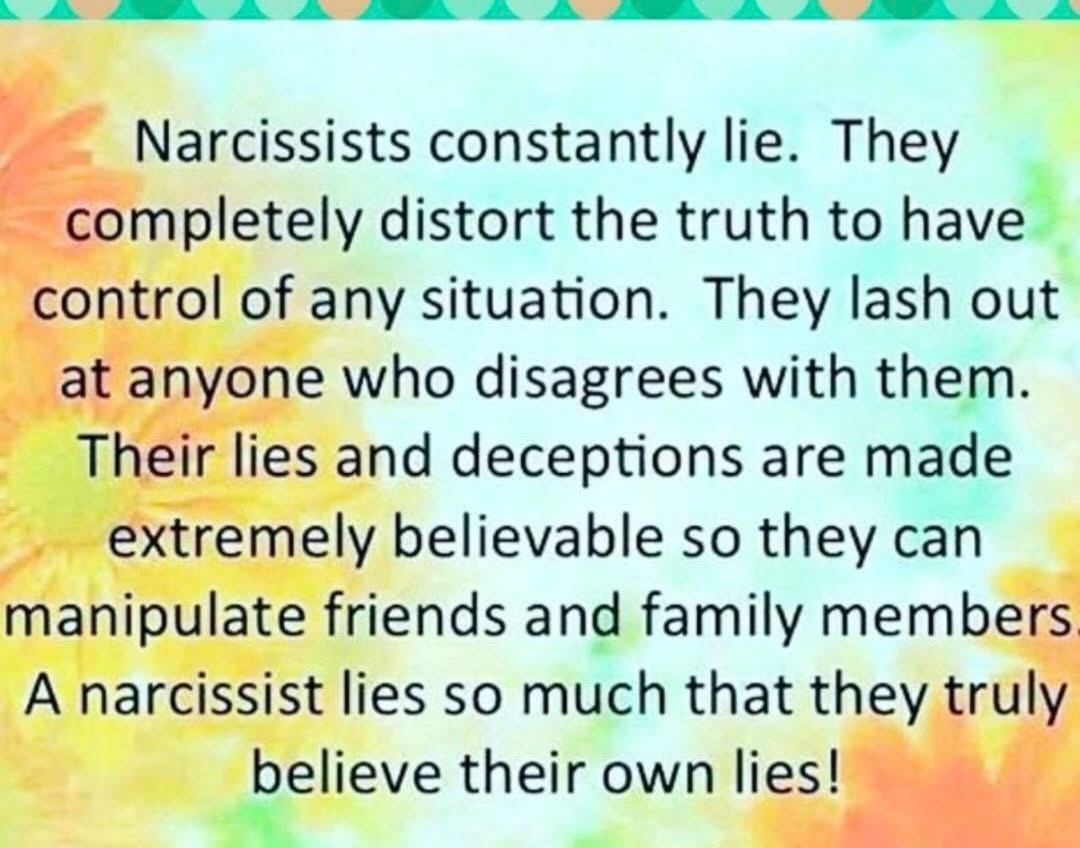
Distorted truths – Narcissists lies =Controll

THIS IS WHY KNOWLEDGE IS THE ONLY WEAPON FOR ESCAPING THEIR GRIP.

What is so confusing is the way the narcissist takes some vulnerable thing you said or did in the relationship and turns it into a big deal. Like if you openly say something like you prefer to NOT drive a lot because of your nerves.

The narcissist will bring it up out of nowhere to deflect from their behaviors and you are left confused because while it is true, it doesn’t apply to the situation in the moment. At first you will want to defend yourself, and later you see the gaslight, and finally you see the disorder.

All that time you thought to yourself why is communication so hard? It’s because you are dealing with a person who can’t emotionally connect or care.and uses bits of truth and twists the narrative around to suit them in the moment. Keep healing survivors .💛
Unhealed Parents

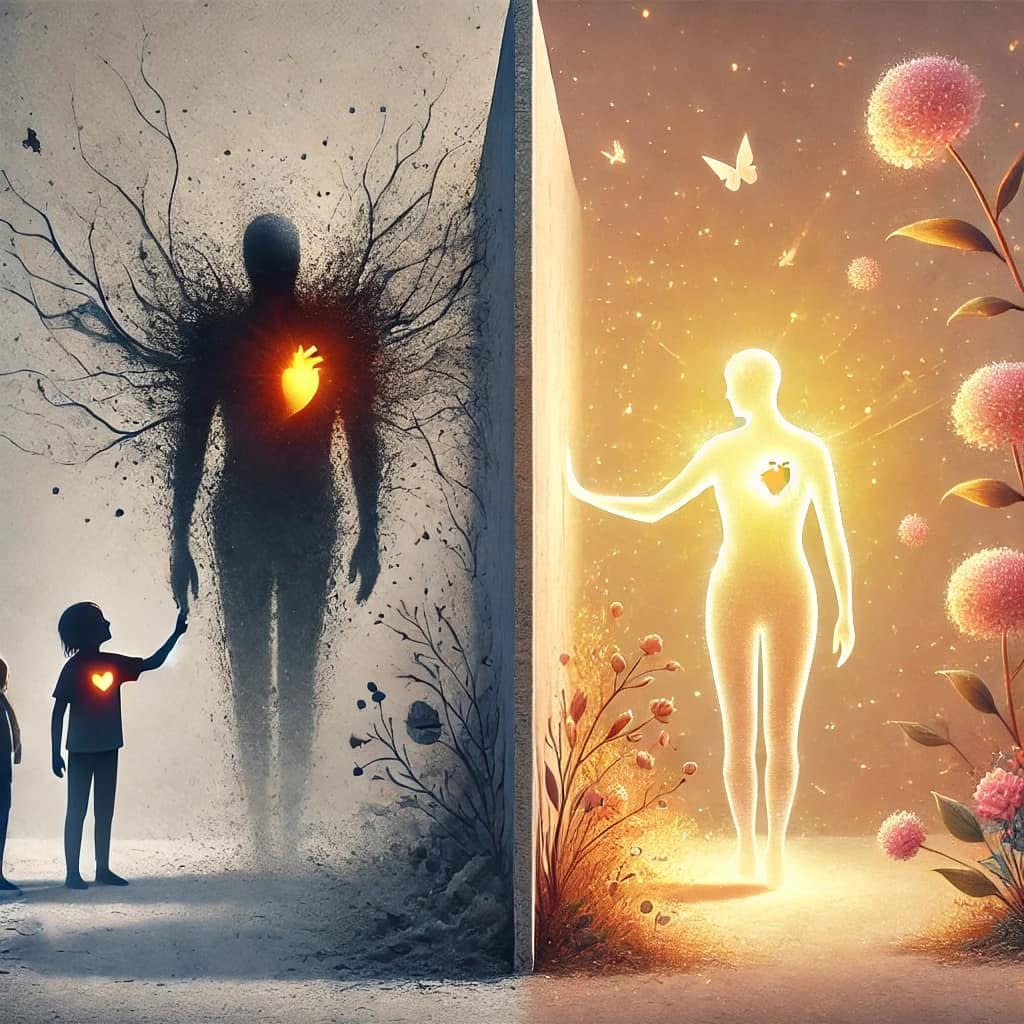
A child’s first enemy is often an unhealed parent. It’s a subtle, almost invisible dynamic that creeps into a household without warning. Picture a parent, heavy with unprocessed pain, wielding their wounds like invisible weapons—sharp words, dismissive glances, unreachable affection. The child doesn’t see the parent’s trauma; they only feel the sting of its consequences. An unhealed parent might unintentionally pass down shame, anger, or fear, not because they don’t love their child, but because their own love has been tangled in the web of their past. Imagine a parent who flinches when their child cries—not because they don’t care, but because the sound dredges up their own unheard cries from decades ago. Without realizing it, they teach the child that emotions are dangerous, that their needs are burdensome.

Now, contrast this with a healed parent. Imagine a parent who has faced their own darkness, who has wrestled their demons and come out on the other side. They create a different kind of space for their child—a sanctuary where emotions are allowed to breathe and wounds can be mended instead of ignored. When a healed parent hears their child cry, they don’t recoil; they lean in. They don’t silence the child or rush to fix it. Instead, they validate, comfort, and teach resilience. The difference is profound. An unhealed parent unknowingly becomes an adversary, while a healed parent becomes a guide. One teaches survival; the other teaches thriving. And yet, the tragedy is that the unhealed parent was once a child too—a child whose first enemy might have been their own unhealed parent. The cycle is unrelenting until someone, somewhere, decides to break it.