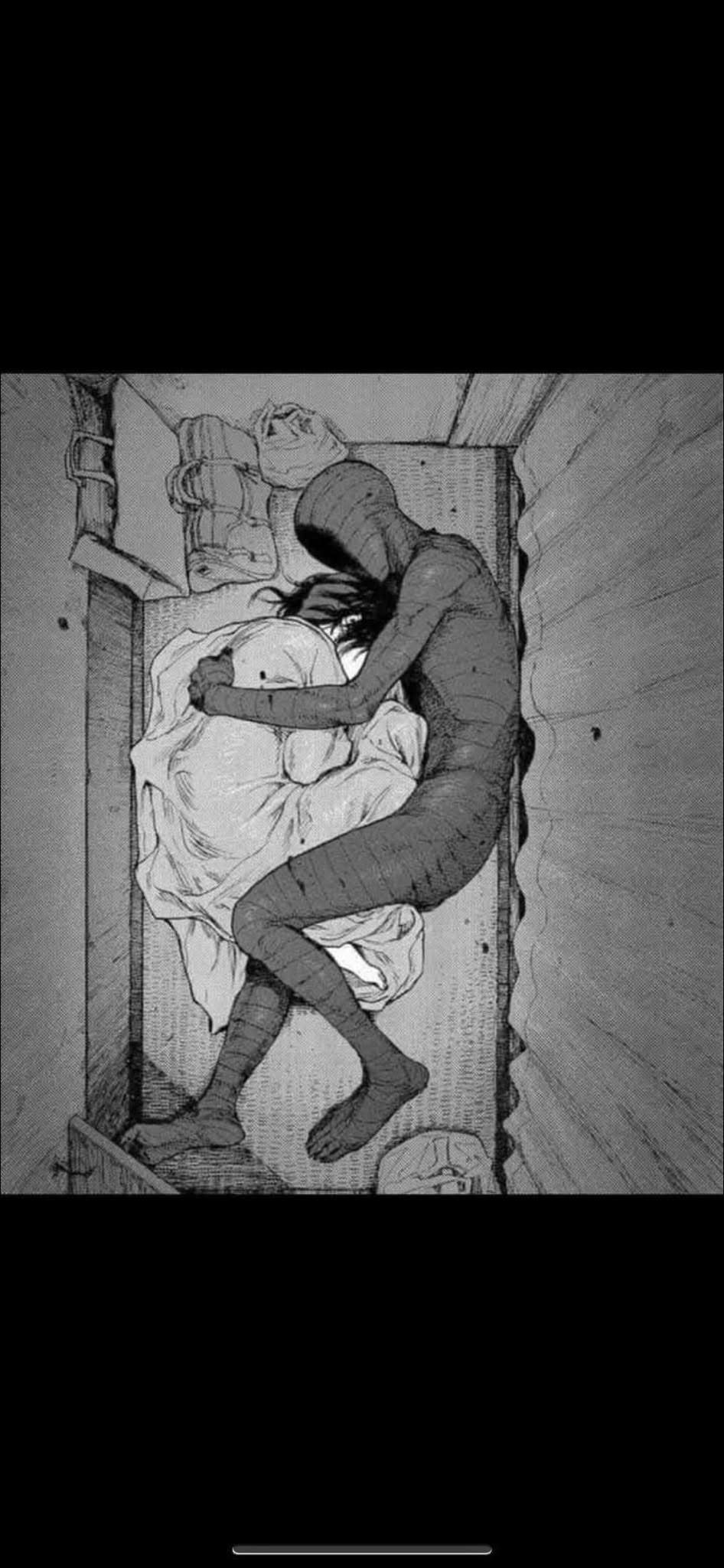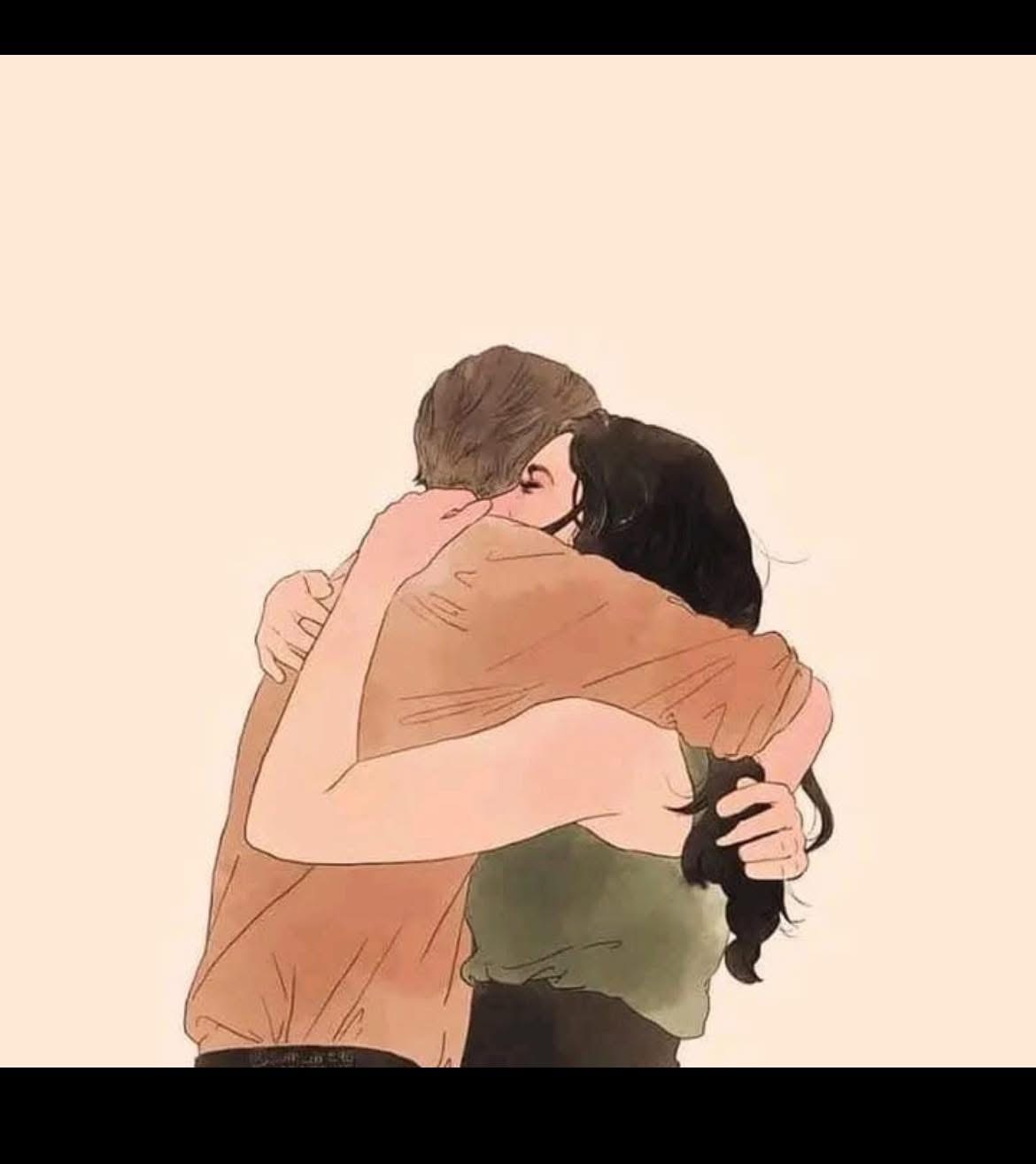
Why women are emotionally exhausted

“If a man did not receive much respect or love from his father during childhood, he often grows up believing that he is never truly appreciated… no matter how much love a woman gives him.

Not because he doesn’t love her; it’s because his inner wounds are still echoing the lack of validation from his early years.

That’s why so many women today feel emotionally exhausted.

They keep pouring love, support, patience, and understanding into a man who cannot fully receive it, because his wounds speak louder than the woman’s love.

Dear woman, this is not your fault.

You are not lacking. You are not unlovable.

You were simply trying to fill a void that wasn’t yours to fix.

You gave and gave, hoping he would finally see you, finally cherish you, finally choose you with presence… but in the end, you lost yourself.

When a woman constantly gives up her peace to maintain a relationship, she begins to feel it in her body.

Fatigue, anxiety, migraines, hormonal imbalances… these are not just physical symptoms; they are emotional signals.

Her body begins to scream when her heart has been silent for too long.

Dear man, please understand… your woman is giving you far more than you see.

She doesn’t just love you; she holds space for your pain, sacrifices her own peace, and often silences her own needs to support yours.

But she cannot continue this forever.

It’s time to heal.

Not just for the sake of your relationship, but for the boy inside you who deserved love, attention, and respect.

It’s time to stop demanding love through silence and start receiving it through presence.

Healing is the way back… to each other, to wholeness, to peace.

Don’t let her suffer while she tries to love you.

Don’t let her burn out while she tries to keep you warm.

Choose growth. Choose the inner work.

Choose to be the man who brings calm, not chaos.

Because when a man is healed, his love no longer hurts. His presence becomes medicine.

I’m here to support you, not to judge… but to help you become the man you were always meant to be.”

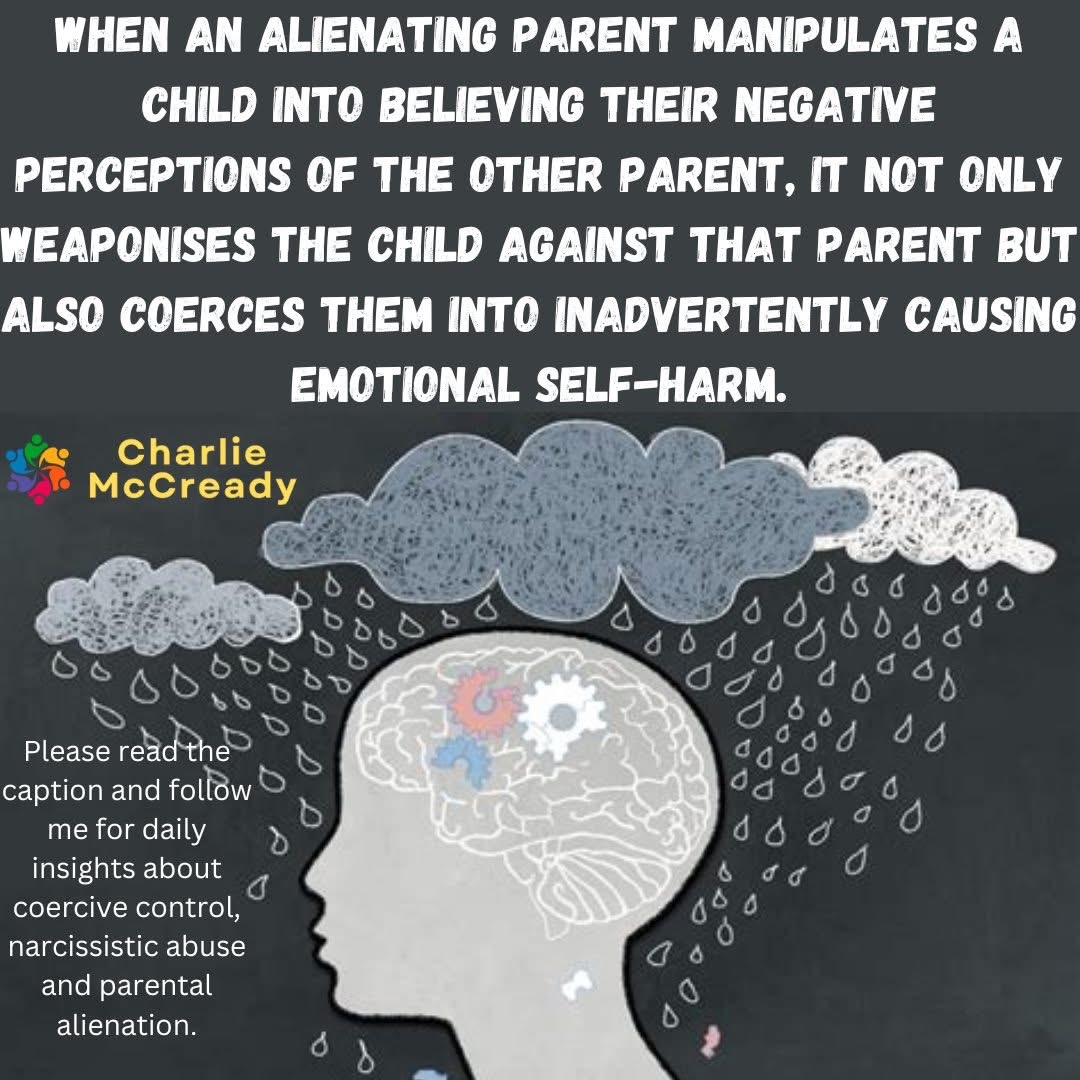
Weaponized Children – Charlie McCready

Emotionally self-harming behaviour in an alienated child, driven by the coercive control of a disordered, alienating parent, reflects the painful clash between their genuine affection for a targeted parent and the manipulated negative perceptions imposed by the alienator. This internal conflict, known as cognitive dissonance, creates distress and confusion as the child tries to reconcile their love for the targeted parent with the false narrative they’ve been coerced into accepting. This conflict not only impairs their emotional well-being but also impacts their neurological functioning. Negative thinking patterns about a parent they love can distort their brain’s perception of reality, disrupting healthy neural pathways and perpetuating emotional distress, ultimately compromising their overall emotional development.

Coping mechanisms for these detrimental effects involve a range of approaches, some of which are positive and constructive, while others might be less so.

Therapeutic interventions that promote critical thinking, self-awareness, and emotional regulation can play a pivotal role in helping the child navigate their conflicting emotions. Encouraging them to express their feelings openly and safely explore their emotions within a therapeutic setting can gradually help untangle the web of manipulated beliefs.

Additionally, nurturing healthy relationships with extended family, friends, and professionals who provide unwavering support and encourage positive interactions can serve as protective factors against the emotional self-harm imposed by the alienating parent’s control. Engaging in creative outlets, physical activities, and hobbies that offer a healthy way to release emotional tension and boost self-esteem can also contribute to their overall well-being. However, it’s essential to recognise that not all coping mechanisms are beneficial; some children might turn to negative coping strategies like alcohol or drugs to numb their pain, which can further compound their emotional challenges and hinder their growth. Thus, providing guidance and support to help them choose healthier ways to manage their emotions becomes paramount in their healing journey.

My posts are here not to alarm or upset but to spread awareness about what’s known as ‘parental alienation’ and to provide guidance to those who are going through it, as I did myself. Apart from these daily posts, which I hope help you know you’re not alone, and to better understand it’s an attachment disorder, a pathology, it’s not you; please reach out if I can help with the coaching I offer.

#charliemccready

#parentalalienationcoach

#childrensrights

#mothersrights

#fathersrights

To someone who hurt someone so deeply

Who left trauma that was negated, who wasn’t accountable, who knows exactly what they did, and whose true colours and who you really are were revealed in the way that you showed no remorse at all for what you know you did.

Who showed no empathy, and no compassion for how you made the person who loved you and was dedicated to you feel.

Here’s what you need to understand…

They don’t want to meet you again.

In fact, they never even want to hear your name ever again.

They don’t even want to cross paths with you, even if by some miracle you do realise that you need to change and you end up becoming the best version of yourself.

Because the damage that you left behind and that you negated was so great, and so difficult to heal from.

Because they remember how you made them feel, how your actions destroyed their heart, their worth, and their faith and trust in you time and time again.

They remember how many times they had to beg you for the very basics; for your time, your communication, your respect, your compassion, your loyalty and commitment, your appreciation, and someone who could just be a safe space for them; but you gave them none of this.

All you gave them was pain, your chaos, your drama, and in the end your total destruction of who they were before they met you.

They are tired of your lies, they are tired of your endless manipulation and gaslighting that you refuse to acknowledge, and they don’t want to give you another chance to try and manipulate them again.

They don’t want to remember any part of the past they shared with you, because they realise now that none of it was real anyway.

So please if you happen to see them somewhere, don’t say hello, don’t ask them how they’re doing, don’t call out their name, just leave them alone and forget that you even ever knew each other.

They gave you love, when you gave them distance and pain.

Your actions have left scars so deep, scars that may never fully heal, because all you did to the person who loved you with everything they had, and who you convinced that they could trust you and feel safe with you; all you did was show them just how very unsafe the really were, and how very little you really cared.

You’re strangers again, and that’s the way they want things to remain.

So please, forget their name, forget that you even knew each other, and move on and enjoy the rest of your life.

They deserve better than you, they’ve remembered their worth again, and they no longer want to hear your name, hear your voice, or see your face ever again.

Their only hope after all of your disrespect, pain, lies, chaos, destruction, damage, and trauma you’ve caused, is that you can at least understand this because they know you understand and know full well exactly what you did…

#brokenness #inspirational #motivational #storyteller #everyone

Charlie McCready- Lawyers $$$$

Does anyone care to comment? When I have more time, I’d like to gather more data on what alienated parents have actually experienced in the family court system. How long did it take? What was the outcome? How much money was spent? Did it lead to reunification? If the court ordered contact, was it enforced—and if so, how did that go?⁠

Alienated parents often pour their life savings into a legal system they once believed would protect their rights and their children’s well-being—only to emerge financially drained, emotionally shattered, and, in many cases, no closer to justice.⁠

This highlights the urgent need for reform. Lawyers dealing with these cases should be trained to recognise attachment disordered parental alienation – the false narratives and coercive, manipulative behaviours that drive it. The legal system must do better, not only for parents who are being erased from their children’s lives but, most importantly, for the children themselves—caught in a battle they never chose.⁠

Perhaps we expect too much. Perhaps we should know better by now. After all, injustice isn’t confined to family courts or parental alienation. Look at the wider world—those who commit crimes often walk free, while those who expose them suffer the consequences. The alienated parent is no different: seeking truth in a system that too often fails to protect the innocent while enabling the abuse.⁠

I don’t mean to sound cynical. I try to stay focused on solutions. But we shouldn’t have to ‘fight’ to see our own children in a court of justice—because we are not criminals. We are parents. Parental alienation isn’t simply a legal matter; it’s a psychological and relational issue—one that the law is often ill-equipped to handle. And for many, prolonged legal action is not only financially impossible but also emotionally destructive. While sometimes necessary, court should be a last resort, used only when every other effort to protect a child’s well-being has been exhausted.

If you are going through what’s commonly known as ‘parental alienation’, know you’re not alone. I’ve been through it myself. Personally and professionally, I have over 20 years of experience. I am reunited with my children and here to offer support with daily posts on social media and also with the coaching I offer. Feel free to reach out to me anytime.

#charliemccready

#parentalalienationcoach

#parentalalienation

#parentalalienationawareness

#alienatedchild

Narcissist: unable to love- Charlie McCready

Narcissistic alienating parents are characterised by a self-centred, manipulative, and exploitative nature. They prioritise their own needs, desires, and self-image above the well-being of others, including their children. Here are some key points:

Lack of empathy: Narcissistic individuals often struggle with empathy, which is the ability to understand and share the feelings of others. They have difficulty recognising and validating the emotional experiences of their children or anyone else in their lives. Their focus is primarily on themselves and their own needs.

Manipulative and controlling behaviour: Narcissistic parents tend to manipulate and control those around them to maintain a sense of power and superiority. They may use tactics such as gaslighting, guilt-tripping, emotional manipulation, and coercive control to assert dominance and maintain control over their children.

Exploitation of relationships: They view relationships as opportunities for personal gain rather than genuine connections based on mutual care and support. They may exploit their partner’s and their children’s love and loyalty to serve their own agenda, using them as extensions of themselves rather than recognising their autonomy and individual needs. This also goes for other family members and work associates, in fact, anyone in their lives.

Lack of genuine love and care: Narcissistic individuals struggle to experience and express genuine love and care for others. Their primary focus is obtaining admiration, attention, and validation. As a result, their relationships, including those with their children, lack the depth, emotional connection, and authentic care that healthy relationships require.

Superficial charm and manipulation: They often appear charming, charismatic, and even loving in the early stages of a relationship. However, their behaviour tends to be manipulative, self-serving, and inconsistent over time. Their actions are primarily driven by a need for control, admiration, and validation rather than genuine care and concern.

They lose interest when someone no longer ‘serves’ them. When someone calls out their behaviour, they’ll go on the attack to protect their interests/lies. It’s important to recognise that not all alienating parents are narcissistic, and not all narcissistic parents engage in parental alienation. But when these two dynamics intersect, the results can harm and damage the child’s well-being and the parent-child relationship.

#charliemccready

#parentalalienationcoach

#narcissisticabuseawareness

#narcissisticparent

#traumabonding

Wait for the man 💯🙌

Excellent post …

Not waiting , just doing the best I can at this time 🙌🌹

This is your reminder that the love you want exists, and it doesn’t come with begging.

There’s a kind of love that doesn’t leave you questioning if you’re too much.

It doesn’t leave you doing everything alone. It doesn’t make you beg for help, or affection, or to be noticed. It meets you where you are, and stays.

So, wait for him.

Wait for the man who doesn’t let you carry the weight of everything on your own.

Wait for the man who sees when you’re tired without you even having to say it out loud.

Wait for the man that will carry you to bed when you fall asleep on the couch.

Wait for the man who will stay up with you and your scary thoughts, while the rest of the world is sleeping.

Wait for the man who will always kiss you at 6 am when he’s leaving for work.

Wait for the man who makes you crack a smile, even when you’re so annoyed with him.

Wait for the man who sees your mental health going back down, and pushes you to do things for yourself.

Wait for the man who wants to know your love language, and will put the effort into learning about it.

Wait for the man who is secure in himself, so he always pushes you to be yourself.

Wait for the man who doesn’t have an issue saying “I’m sorry, I should have handled that better..”

Wait for the man who cuddles you, and it makes you so feel safe, that you never want to let go.

Wait for the man that you would be proud of, if you’re daughter was with him.

Wait for the man who doesn’t like scary movies, but will stay up watching them with you because he knows you love them.

Wait for the man who has to fall asleep touching you, even if it’s just his feet.

Wait for the man who goes out with his friends, but calls to check in just to say he misses you.

Wait for the man who is so tired from working all day, but comes home with energy, and can instantly switch in to dad/husband mode.

Wait for the man who will sit on the same side of the booth as you at a restaurant, just to be closer to you.

Wait for the man who always does what he says he’s going to do.

Wait for the man who will drive the long road trips, because highways give you anxiety.

Wait for the man who doesn’t complete you.

Wait for the man that inspires you to complete yourself, with his support and guidance.

Wait for the man, who you think may not exist, because you are “asking for too much”.

When you wait for the right man, you will realize, you were never asking for too much.

When you wait for the right man, he will make all of the arguments and rough days, feel like just small bumps along the road.

When you wait for the right man, he will show you how warm, safe, and beautiful love really is.

Ctto

#fyp

Healthy Love

I don’t know who needs to hear this, but in a healthy relationship, your feelings should never be a debate. If something hurts you, it matters.

Your partner’s role isn’t to argue about whether you should feel a certain way or to dismiss your emotions. Their role is to listen, to understand, and to do better in the future.

Healthy love isn’t about being right all the time. It’s about being kind, compassionate, and learning how to care for each other in ways that make you both feel valued and respected.

If your partner is only interested in defending their actions or minimizing your experience, it can make you feel small, unheard, and alone, even when you’re together. That’s not how it should be.

In a real, loving relationship, your partner will “want” to know what bothers you because they’ll care about your happiness. They’ll listen because they respect you, and they’ll work to grow alongside you.

And yes, sometimes they’ll mess up, but the difference is—they’ll own it.

They’ll acknowledge when they’ve caused pain, and they’ll make the effort not to repeat it. Because in love, making each other feel safe and understood is far more important than being “right” or winning an argument.

Remember, love is not a battlefield. It’s a space where both people should feel seen and supported, not where one has to constantly defend their emotions. A good partner doesn’t gaslight you into believing your feelings are invalid; they stand beside you, ready to face the discomfort and work together to build something stronger.

If you’re in a relationship where your partner listens, values your emotions, and tries to avoid hurting you in the future, hold on to that. That’s what a healthy relationship looks like.

If not, maybe it’s time to reflect on whether you’re being honored in the way you deserve. You are worthy of love that doesn’t dismiss your heart.

You deserve someone who cherishes your feelings, not someone who makes you question their validity. Keep that in mind, because at the end of the day, love should always feel like a safe place to land.

Disordered Pathogenic Parenting – Charlie McCready

In many cases (though not all of course), the alienating parent operates from a place of deep-seated emotional neediness rooted in their own childhood experiences. If they lacked sufficient love and secure attachment during their formative years, they may have developed an attachment style characterised by anxiety or insecurity. This void creates an overwhelming desire for their child to fulfil unmet emotional needs—an expectation for unwavering loyalty and affection.⁠

In this dynamic, the child becomes a vessel for the parent’s unresolved trauma and unfulfilled desires. The alienating parent may project their need for love onto the child, expecting them to provide the unconditional support and affirmation they missed out on. This demand can manifest as controlling or possessive behaviour, where the parent subtly or overtly communicates that love and loyalty come with conditions: to reject, demonise, or distance themselves from the other parent. Truly a cruel thing to inflict on a child – some do this unconsciously, others quite deliberately. ⁠

For the child, if they do not comply or fail to provide the desired level of loyalty, it may trigger the alienating parent’s fear of abandonment and inadequacy. They might respond with manipulation, guilt, or emotional coercion, reinforcing the notion that the child’s love is contingent upon rejecting the other parent. The underlying message is clear: the child must choose sides and prioritise the alienating parent’s needs or risk losing the affection and approval they crave. Again, this is disordered, pathogenic parenting. ⁠

Ultimately, this creates a toxic cycle of dependence and alienation, where the child feels torn between their natural bond with both parents and the appalling expectations imposed by the alienating parent. It undermines the child’s sense of autonomy, fosters confusion, and cultivates a skewed perception of love—one that is contingent on loyalty rather than the unconditional acceptance and support that every child deserves.⁠

#charliemccready

#parentalalienationcoach

#parentalalienation

#alienatedchild

Emotionally Homeless

Man, make sure your woman is not emotionally homeless. She needs to feel safe, cherished, and deeply understood.

A woman who is emotionally homeless carries a silent pain. She may have a roof over her head, but if she doesn’t have a space where she feels truly seen, heard, and valued, she is wandering through life unanchored. Love is not just about physical presence; it is about emotional security. A man who loves her must ensure that his presence is a sanctuary, not a storm.

When a woman feels emotionally secure, she flourishes. She speaks her truth without fear, she loves without hesitation, and she trusts without doubt. But when she lacks that security, she withdraws. Her laughter becomes forced, her eyes lose their spark, and her heart begins to protect itself from the very love she once desired.

A man’s touch, words, and actions determine whether she feels at home or like a stranger in her own relationship. If she constantly questions her place in his life, if she feels like she must beg for attention, if her emotions are dismissed as “too much,” she will slowly start to detach. Not because she wants to, but because she has no choice.

A woman who is emotionally homeless may not leave immediately, but she will start to build walls. She will become quieter, less expressive, and more independent—not because she wants to be strong, but because she is forced to protect herself. And once she fully detaches, there is no love strong enough to bring her back.

The truth is, most women do not ask for grand gestures. They do not need a man to move mountains for them. What they need is consistency, reassurance, and a love that feels like home. They need to know that their emotions are not a burden, that their love is not one-sided, and that their vulnerability is safe in his hands.

Emotional homelessness in women is not just about neglect; it is about being in a relationship where she feels alone. She might have a man beside her, yet feel like she is fighting battles by herself. She might have a partner who loves her, yet feel completely misunderstood. And over time, this loneliness breaks her more than any physical distance ever could.

If a man truly loves his woman, he will make sure she never feels like a guest in his life. He will create space for her heart, her fears, her dreams, and her emotions. He will listen—not just to respond, but to understand. He will reassure her—not just with words, but with actions. He will stand beside her—not just when it is easy, but when she needs him the most.

A woman who feels emotionally at home is radiant. She gives love freely, she supports without resentment, and she trusts with an open heart. She doesn’t hold back, because she knows she is safe. But a woman who feels emotionally homeless starts to fade. And once she fades, no amount of love will bring her back to who she once was.

So, man, make sure your woman is not emotionally homeless. Be her safe place. Be the warmth she returns to, not the cold world she tries to escape.