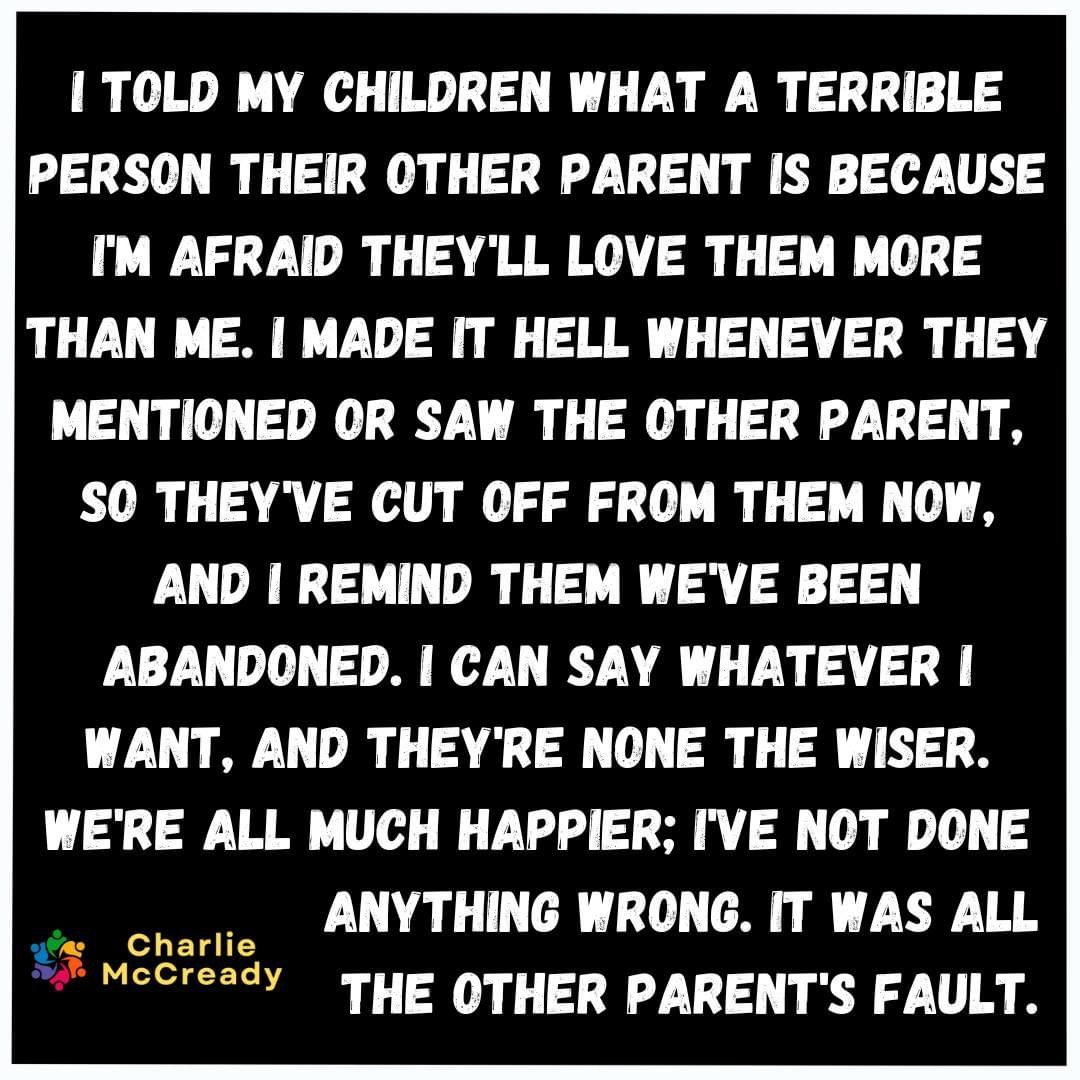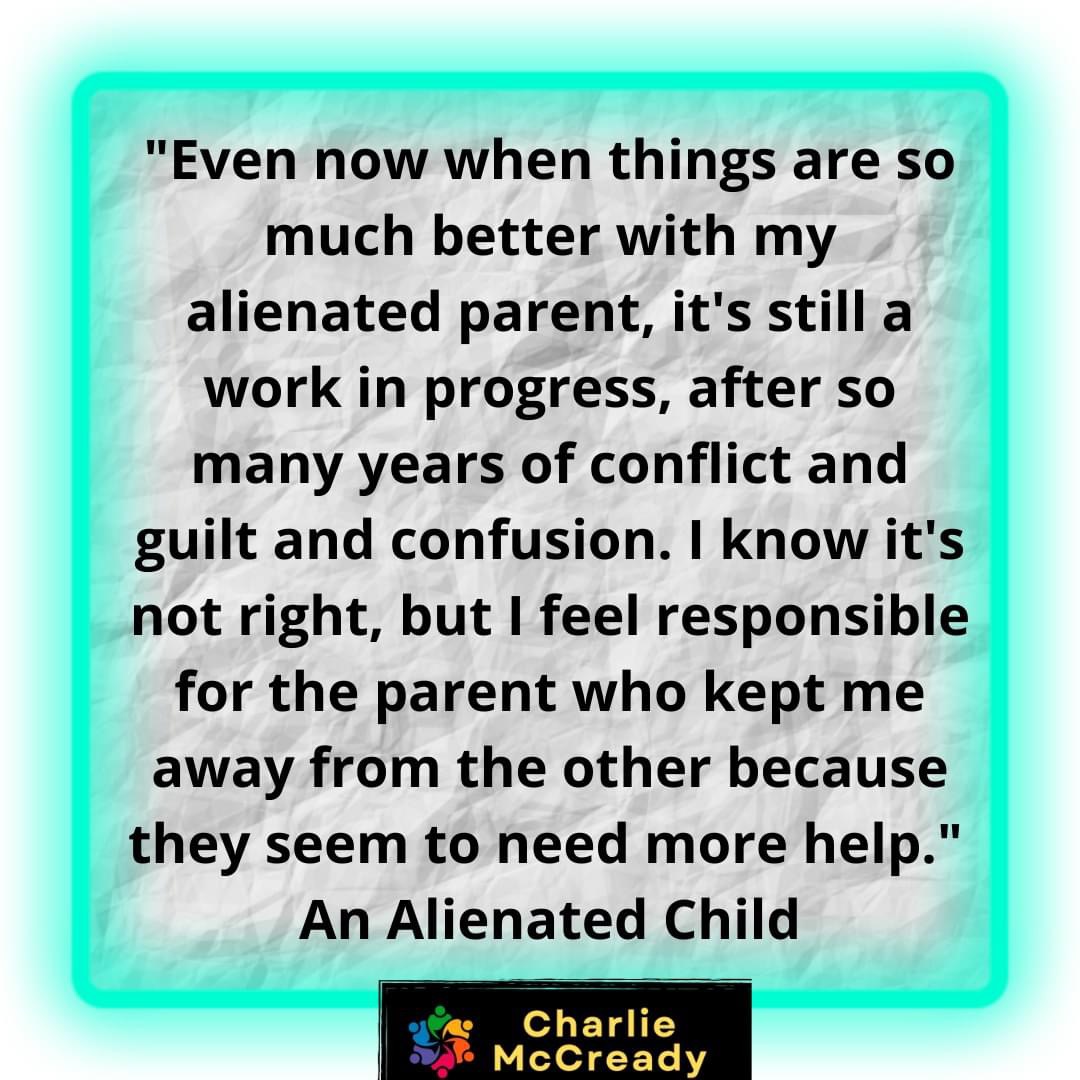
Narcissist & Parental Alienators : facts

Narcissistic alienating parents are characterised by a self-centred, manipulative, and exploitative nature. They prioritise their own needs, desires, and self-image above the well-being of others, including their children. Here are some key points:

Lack of empathy: Narcissistic individuals often struggle with empathy, which is the ability to understand and share the feelings of others. They have difficulty recognising and validating the emotional experiences of their children or anyone else in their lives. Their focus is primarily on themselves and their own needs.

Manipulative and controlling behaviour: Narcissistic parents tend to manipulate and control those around them to maintain a sense of power and superiority. They may use tactics such as gaslighting, guilt-tripping, emotional manipulation, and coercive control to assert dominance and maintain control over their children.

Exploitation of relationships: They view relationships as opportunities for personal gain rather than genuine connections based on mutual care and support. They may exploit their partner’s and their children’s love and loyalty to serve their own agenda, using them as extensions of themselves rather than recognising their autonomy and individual needs. This also goes for other family members and work associates, in fact, anyone in their lives.

Lack of genuine love and care: Narcissistic individuals struggle to experience and express genuine love and care for others. Their primary focus is obtaining admiration, attention, and validation. As a result, their relationships, including those with their children, lack the depth, emotional connection, and authentic care that healthy relationships require.

Superficial charm and manipulation: They often appear charming, charismatic, and even loving in the early stages of a relationship. However, their behaviour tends to be manipulative, self-serving, and inconsistent over time. Their actions are primarily driven by a need for control, admiration, and validation rather than genuine care and concern.

They lose interest when someone no longer ‘serves’ them. When someone calls out their behaviour, they’ll go on the attack to protect their interests/lies. It’s important to recognise that not all alienating parents are narcissistic, and not all narcissistic parents engage in parental alienation. But when these two dynamics intersect, the results can harm and damage the child’s well-being and the parent-child relationship.

#charliemccready

#parentalalienationcoach

#parentalalienation

#narcissisticparent

#FamilyCourt

#custody

#childcustody

#FathersMatter

#mothersmatter
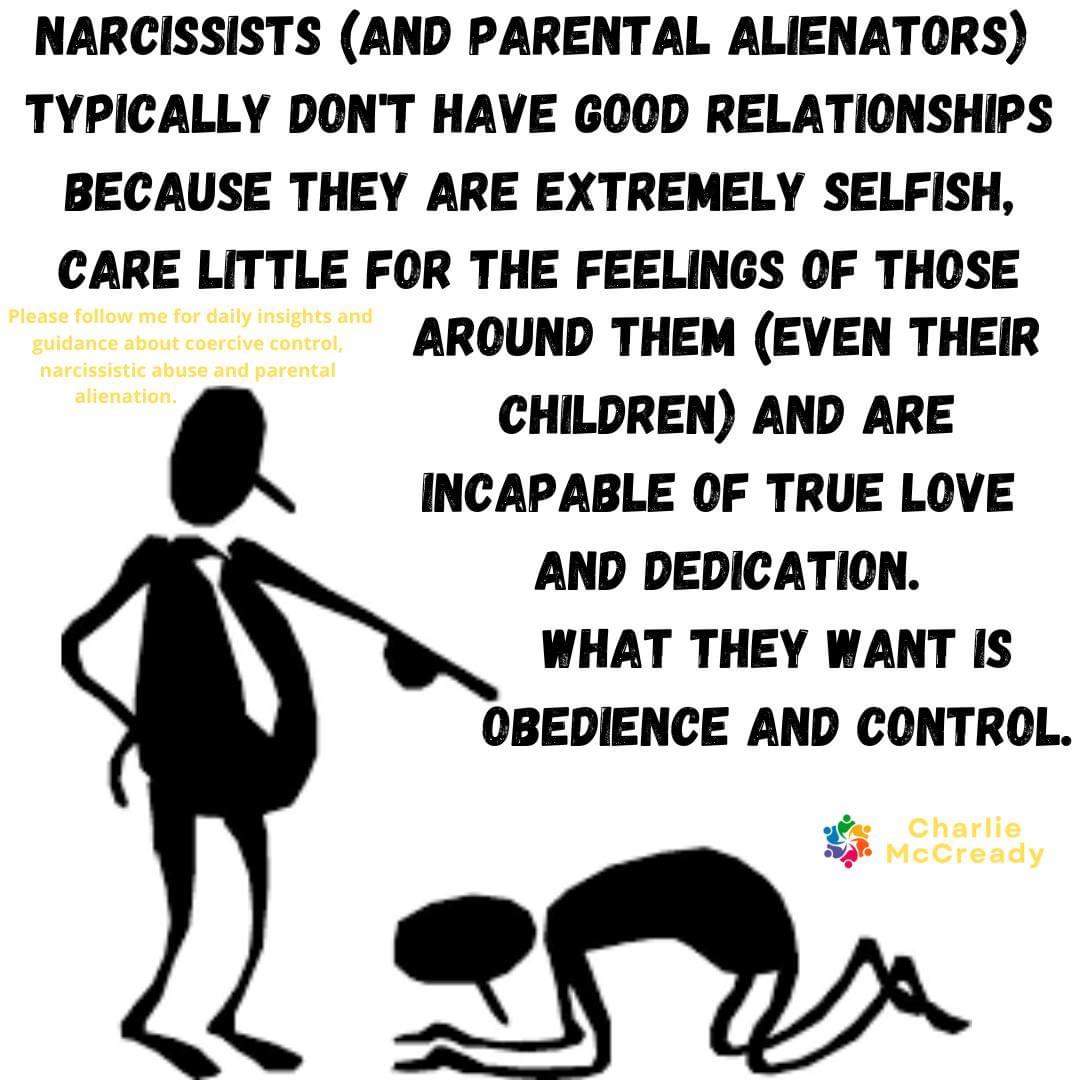
Narcissist persecutory delusions – Charlie McCarthy

When a parent with a dark, narcissistic personality falls into persecutory delusions, they try to rewrite reality. Their fear of being seen as unworthy drives them to alienate the child from you. They lie, manipulate, and seek control—not out of love, but out of deep-seated insecurity and fear that your child might see you as the better parent.

But remember, love is stronger than lies. One day, your child will begin to see through the false narratives. When that time comes, they will need a safe, loving space to turn to—a parent who is calm, mentally strong, and emotionally healthy. Be that parent. Show them that true love is unwavering and unconditional.

Stay resilient. Stay grounded. Continue to be the parent your child can rely on, even when it’s difficult. Do this for yourself, and most importantly, do this for your child.

#charliemccready

#parentalalienationcoach

#parentalalienation

#FamilyCourt

#narcissisticparent

#childcustody

Letting go

“Parents rarely let go of their children, so children let go of them.

They move on. They move away.

The moments that used to define them are covered by

moments of their own accomplishments.

It is not until much later, that

children understand;

their stories and all their accomplishments, sit atop the stories

of their mothers and fathers, stones upon stones,

beneath the water of their lives.”

Paul Coelho 💫

✨Artwork by Lisa Aisato

Trauma Bonds – Charlie McCready

How can the child still suffer from trauma bonds and loyalties towards the abusive alienating parent even when the truth about their behaviour comes to light? How can the child come over to see me but not take off their coat as if they won’t settle in or stay long? How can we have plans for them to spend the first Christmas with me in a decade, but then, at the last minute, they cancel because they say nobody should be alone at Christmas and they need to be with their other parent forgetting or ignoring the fact I’ve spent many Christmases without them? Why don’t they tell me about important events in their life? Is it a habit to keep me at a ‘safe’ distance after all these years? Why do they mostly call when they want a favour? Why do they still believe I abandoned them? These have been some of my questions.

Reconciliation between an alienated child and a rejected parent can be a complex and challenging process, and it is not uncommon for the effects of parental alienation to persist even after the truth comes to light. The alienating parent employed various emotional manipulation tactics to create trauma bonds with the child and instil fear, guilt, or loyalty. Breaking these bonds can be difficult, as the child may have internalised these messages and developed a distorted perception of the rejected parent. The child may have experienced emotional abuse, coercion, or threats from the alienating parent, leading to deep-seated fear and trust issues. Rebuilding trust and feeling safe with the rejected parent can take time and require ongoing support. The child may struggle with conflicting emotions and beliefs. They may have been taught to see the rejected parent as the enemy or as someone unworthy of love, and reconciling this narrative with the new information can be psychologically challenging. The child may feel strongly loyal to the alienating parent, even if they were abusive or manipulative. This loyalty can stem from a fear of abandonment, a desire for approval, or a need to protect the alienating parent’s feelings.

Healing takes time. The child – or young adult – needs to process their emotions, develop healthy coping mechanisms, and rebuild their relationship with the rejected parent. What’s vital is that you do your healing first so you can welcome them with open arms, having let go of your anger and grief, and just give them love.

#charliemccready

#parentalalienationcoach

#alienatedparent

#ParentalAlienationSyndrome

#parentalalienation

#custodybattle

#childcustody

#mothersmatter

#FathersMatter

#FamilyCourt