

Tag: trauma
Man bungling his life
It is often tragic to see how blatantly a man bungles his own life and the lives of others yet remains totally incapable of seeing how much the whole tragedy originates in himself, and how he continually feeds it and keeps it going. Not consciously, of course—for consciously he is engaged in bewailing and cursing a faithless world that recedes further and further into the distance. Rather, it is an unconscious factor which spins the illusions that veil his world. And what is being spun is a cocoon, which in the end will completely envelop him.
C.G. Jung, Aion (Collected Works 9ii)
Artwork from C.G. Jung’s The Red Book (Liber Novus)

Addictive Personalities – Terry Miller
The idea of addictive personalities is genuinely important and complex, affecting individuals and families in various ways. People with addictive personality disorders often struggle with impulsive behaviors and find it difficult to show self-control when faced with immediate satisfaction opportunities. This difficulty in delaying gratification can lead to actions that defy social norms as a way of rebelling against conformity.
There are many factors that contribute to the development of addictive personalities, such as chronic stress, history of trauma, mental health issues, and a family background of addiction. These underlying issues can create vulnerabilities that may predispose individuals to addictive behaviors. It is crucial to address these root causes in order to effectively treat addictive personalities and prevent negative outcomes.
Treatment for addictive personalities typically involves different therapy approaches like talk therapy, family counseling, and support groups. Cognitive-behavioral therapy is often used to help individuals learn coping mechanisms, recognize triggers, and develop healthier habits. Sometimes, medication may be prescribed to manage underlying conditions like depression that may coexist with addictive tendencies.
Personal experiences with addiction within one’s family can greatly influence an individual’s perspective on and understanding of addiction. My own history of my biological father battling alcoholism and an older brother struggling with substance abuse sheds light on the destructive impact of addiction on families. The loss of my brother emphasizes the harsh reality of addiction’s dangers and underscores the need for effective prevention and intervention strategies.
The prevalence of drug addiction and the resulting losses within families and communities are truly worrying. The easy availability of drugs in various settings presents a significant challenge in combating the ongoing addiction crisis. Seeing the pain and devastation caused by drug overdoses highlights the urgent need for united efforts to address this complex issue.
Witnessing the toll addiction takes on individuals and families, leading to strained relationships, emotional turmoil, and deep grief, is saddening. Substance abuse can erode trust, communication, and mutual support within families, often causing irreparable harm. It’s important for individuals to recognize signs of addiction in themselves or their loved ones and take proactive steps to seek help and support.
Engaging in open and honest conversations with individuals struggling with addiction is crucial in providing them with the necessary support and encouragement to seek treatment. Expressing love, care, and willingness to help can make a significant difference in motivating individuals to confront their addiction and embark on the journey to recovery. Setting boundaries and showing tough love when needed is also important to protect oneself from the emotional toll of assisting someone with addiction.
Ultimately, fostering a culture of unconditional love, empathy, and support within families and communities can create a nurturing environment that promotes healing and recovery for individuals dealing with addiction. By raising awareness, educating others, and advocating for effective prevention and treatment measures, we can work together to address the pervasive issue of addiction and minimize its devastating impact on individuals, families, and society as a whole.
Trauma Healing
Narcissist-Trait Deficiencies
Joy for the Narcissist
Churches advise to abused women
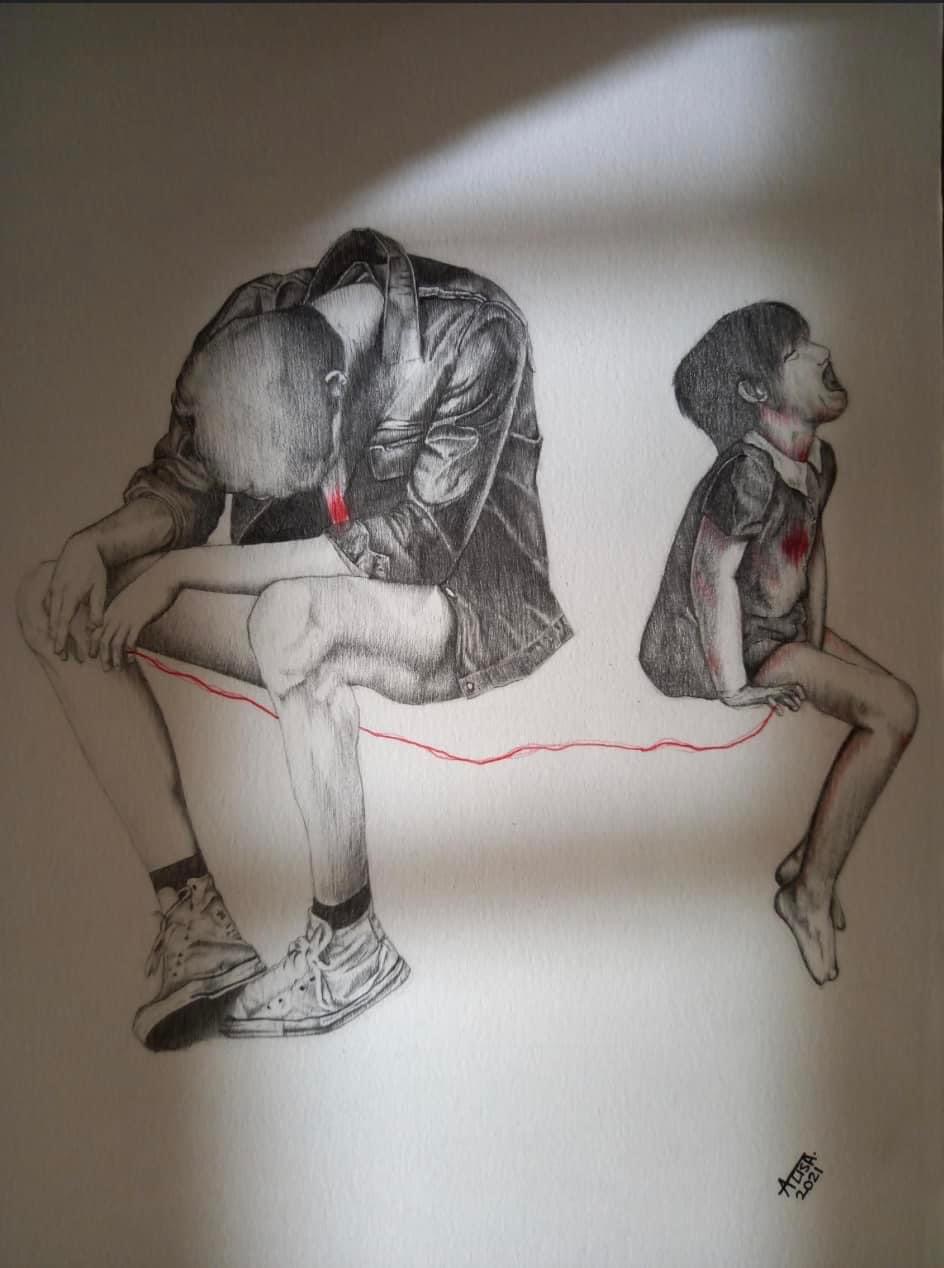
Wounded male child
“… the wounded child inside many males is a boy who, when he first spoke his truths, was silenced by paternal sadism, by a patriarchal world that did not want him to claim his true feelings.
The wounded child inside many females is a girl who was taught from early childhood that she must become something other than herself, deny her true feelings, in order to attract and please others.
When men and women punish each other for truth telling, we reinforce the notion that lies are better. To be loving we willingly hear the other’s truth, and most important, we affirm the value of truth telling.
Lies may make people feel better, but they do not help them to know love”.
~ Bell Hooks, All About Love
Art | Alisa Borhan
 GreatCosmicMothersUnite