

When the unspoken contract of parental love is broken.
— Read on www.psychologytoday.com/us/blog/invisible-bruises/202310/the-negative-effects-of-conditional-love
Tag: child Psychological abuse
Ruby Frank’s Children / Child Psychological Abuse
“ What do I do “ Questions answered – Craig Childress Psy D
I’m planning on answering all your questions.
I think the first question I’ll answer is a question you haven’t asked but you have, “Doctor Childress, what do I do?”
The answer depends on some things, but I can start at the beginning and then move through those things one-by-one as I answer the follow-up questions you didn’t ask either, but you have.
“Doctor Childress, I’m just arriving in the family courts, what do I do?”
Well first, do first things first. You have a problem. You need to fix your problem. For that you’ll need a treatment plan – and – in all of healthcare, diagnosis guides treatment.
Your first plan is to get a plan to fix the problem. For that you’ll need an accurate diagnosis for what the problem is.
Once you’re properly oriented to your situation and have a plan, then do the next thing. You’ll need to develop a plan towards the goal you want to achieve, then move relentlessly in executing your plan towards that goal.
The pathogen is pattern. See the patterns, expect the patterns, predict it, plan for it, when it moves be ready for its movement, and respond with your planned response when it does its predictable things.
“Doctor Childress, how do I prove to a judge what’s going on?”
Judges don’t diagnose pathology, doctors do. You need a proper mental health assessment of the problem that leads to an accurate diagnosis. This is not a legal problem, it’s a mental health problem (pathology) that’s in the family courts.
You want to convince the judge of the need to identify the problem before we develop a remedy to fix it.
“Doctor Childress, how do I get a proper mental health assessment of my family problem?”
To begin with, do NOT get a forensic custody evaluation, they are pointless, expensive, and solve nothing. If you do get a forensic custody evaluation, you are likely to be bringing it to me for a second opinion review, so anticipate you will have a surcharge-of-me to correct the problematic issues that arise.
You want a clinical diagnostic assessment to the potential differential diagnosis involved that returns an accurate diagnosis, so an effective treatment plan can be developed to solve the problem in your family.
I can anticipate some of your initial questions. I can answer some of your initial questions, which will then go to my YouTube channel to answer all the questions that are arriving.
You parents keep arriving with exactly the same variants of the problem (pathology). It’s a pattern, you can plan for the patterns of the pathology.
Each day, there are newly divorcing families who are entering the family courts… some with this pathology. These parents are disoriented. They expected a divorce, not this.
They have questions. I should answer their questions – and – step-by-step I’ll eventually reach where you are and will answer your spot-on question that you haven’t asked.
The pathology is pattern. That allows us to develop a plan for the pattern.
Pattern 1: the pathogen wants to drive this into the legal system to make it as hard as possible for you to see your child, and to put you on “trial” for being a bad parent/(spouse).
Response 1: Don’t let it do that. Move this into the healthcare system to make it about treatment not custody. Change the ground your fighting this on. Change systems for the solution.
Once we clearly understand what the problem is, THEN we can decide on custody schedules, once we have an accurate diagnosis for the cause of the pathology (problem) in the family.
Don’t move to remedy before you have a verdict, don’t move into treatment before you have a diagnosis. Calm your anxiety, move step-by-step.
I should start answering your un-asked always-asked questions, “Dr. Childress, what do I do?”
Develop a plan, then start at the beginning and execute your plan. You want a written treatment plan to fix the problem, that’s your initial plan, to get one of those.
Craig Childress, Psy.D.
Clinical Psychologist, CA PSY 18857
The Specter of Trump’s Family-Separation Policy – The Atlantic
Donald Trump and his allies have promised to restore their draconian zero-tolerance immigration policy.
— Read on www.theatlantic.com/magazine/archive/2024/01/trump-2024-reelection-immigration-stephen-miller/676122/=The+Atlantic+-++Politics+-+Family+Separation&utm_term=The+Atlantic+-+Faraway+Readers+-+Trump+2.0+-+Politics&referral=FB_PAID&fbclid=IwAR1TY0TYx-ek6Zq6vywPjku6RLN8oWwegfxkexHcnEJRUGWZNoYxgk29z70_aem_Ac91X-CuQk1BGeCtHzre0jaLYLRv-UwSfkzIo3x8OR9eTmJN_Y1nbeIxidbDfsBW1C3d0uVWfrCZTPBjDLjb3O7_&utm_id=6492462535277
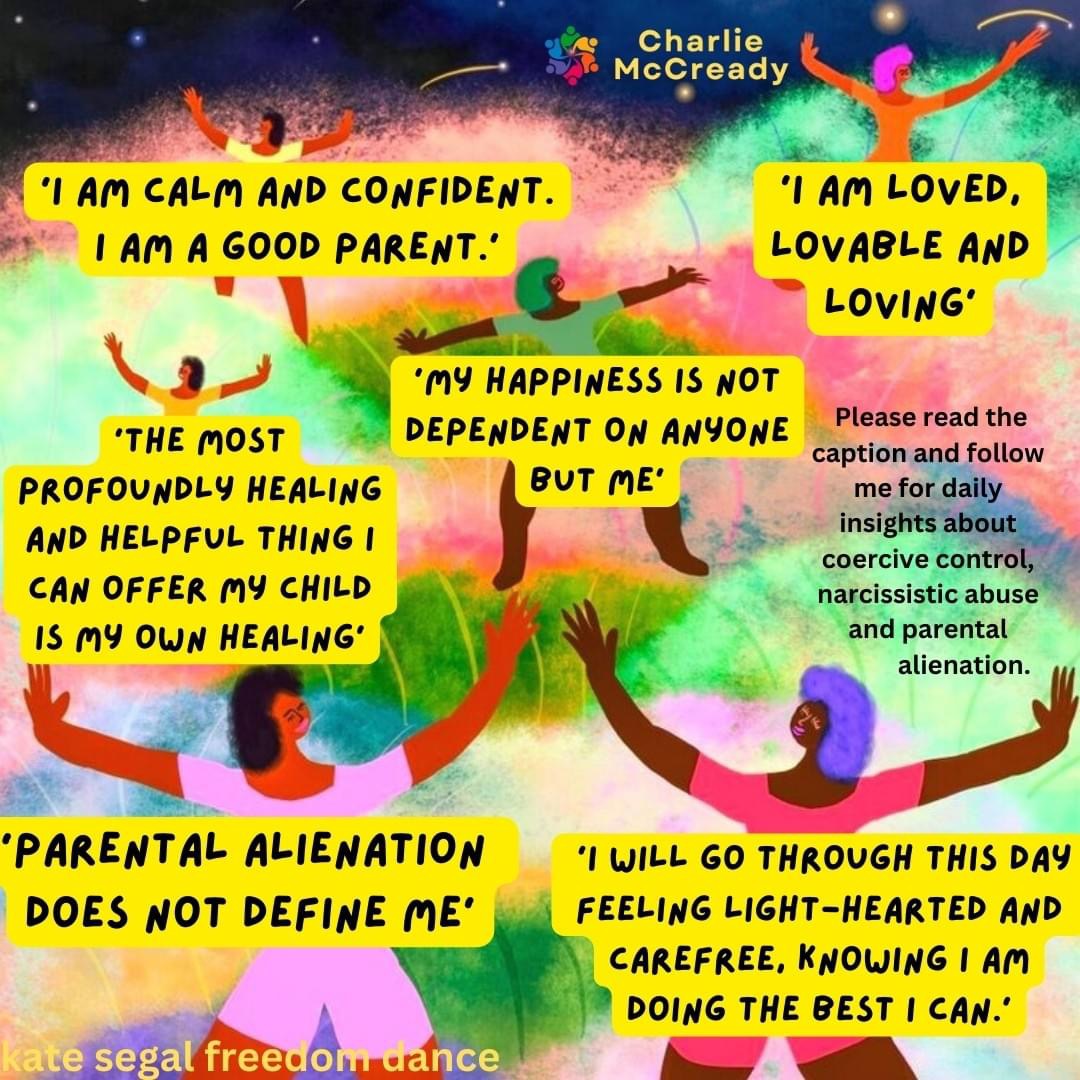
Charlie McCready – Affirmations for the alienated/targeted parent
Affirmations are positive statements or phrases that people repeat to themselves with the intention of challenging and overcoming self-sabotaging and negative thoughts. I used them myself, and I believe they helped me enormously when I was at my lowest point in life. The basic idea is that by consistently repeating positive affirmations, we can reprogramme our subconscious mind, promote self-belief, and cultivate a healthier state of mind and attitude. There is some science and research behind it. Eckhart Tolle, Deepak Chopra, and Joe Dispenza are among the proponents of positive thinking, mindfulness, and the power of the mind. They have written extensively about the connection between thoughts, emotions, and overall well-being.
Dr. Joe Dispenza, in particular, emphasises the role of positive affirmations and visualisation techniques in rewiring the brain. When it comes to brain function, affirmations and positive thinking can influence neural pathways and activate specific regions in the brain associated with emotions, motivation, and self-perception. The repeated use of positive affirmations may lead to changes in neural patterns, encouraging the brain to create new, positive thought patterns while weakening existing negative ones. This process, known as neuroplasticity, suggests that the brain has the remarkable ability to reorganise itself, allowing people to form new habits and beliefs.
The effectiveness of affirmations may vary from person to person, and their impact is often influenced by a person’s belief in the affirmation and the context in which they are used. Maybe worth a go?
#charliemccready #9stepprogram #parentalalienationcoach #parentalalieantionischildabuse #parentalalienationisreal #parentalalienation #parentalalienationawareness #alienatedchild #alienatedmother #alienatedparent #rejectedparent #rejectedmother #rejectedfather #highconflictcoparenting #coparenting #coparentingwithanarcissist #highconflictdivorce #divorce #FamilyCourt #familylaw #childabuse #psychologicalchildabuse #narcissisticchildabuse #narcissisticfather #narcissism #narcissisticabuseawareness #narcissisticabuserecovery #narcissisticabusesurvivor #narcissismawareness #narcissisticpersonalitydisorder
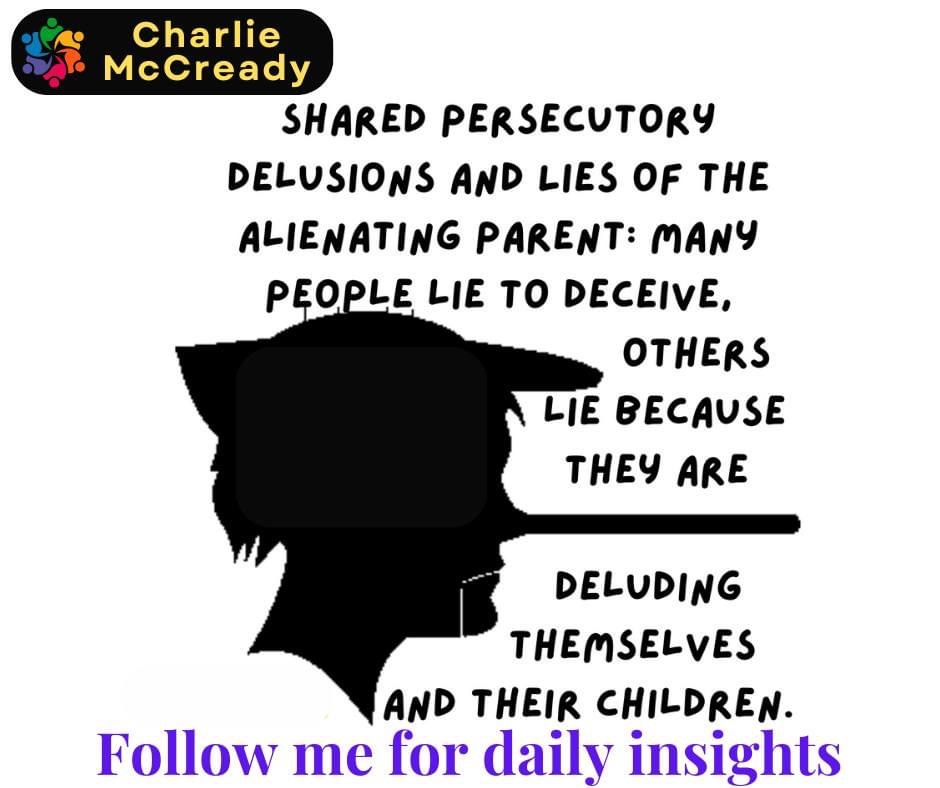
Shared Persecutory Delusions & Lies – Charlie Mc Cready
For most of us, truth is the basis of our relationships and interactions, but there are prolific, even pathological, liars among us. When we don’t make a habit of lying, and we value truth and integrity, we can find it difficult to conceive of a life where deceit is the norm. It’s hard for us to conceive that someone we love/have loved would exploit our honesty, take advantage of us, and not operate with good intentions.
Liars often engage in gaslighting, a manipulative tactic where they deliberately make someone doubt their own reality or perception of events. Gaslighting can create cognitive dissonance in the victim. An internal conflict can lead to confusion, and self-doubt, making it easier for the liar to maintain control and deception. Skilled manipulators are often charming, charismatic and confident, which can further mask their dishonesty.
People who are high in Machiavellianism (unemotional, indifferent to morality, manipulative, often using deceit to achieve their goals) tend to tell significantly more lies than a typical person. Studies reveal that those with highly concealed, low self-esteem lie more. Those who view lying as acceptable, a means to an end, also tend to be the more prolific liars. Those who feel entitled, and those in high-status occupations have been found to be more likely to lie more.
Why do liars lie? Lies can be a coping mechanism, a defence against perceived threats, or a means to achieve personal gain. Those who lie often develop diversions, and intricate stories and justifications, making it difficult for others to discern the truth. Shared persecutory delusions refer to situations where alienating parents, often with narcissistic tendencies or those suffering from certain mental health disorders, create false beliefs and convince their children of the same. Alienating parents manipulate mental health and family court professionals through gaslighting and deceit, saying they only act in the best interest of the child. By presenting a distorted version of events and casting the targeted parent in a negative light, they create confusion and doubt, leading the ‘experts’ to align with the manipulative narrative. The professionals’ lack of awareness of alienating behaviours allows the abusive parent to have their lies believed, and when they ‘win’ (get away with it), they remain convinced of their own righteousness.
They don’t always get away with it. More of them have broken relationships. Having said that, narcissists and Machiavellian types will stay with people who don’t challenge or confront them and who will tolerate, ignore or even support their deceit and lies, particularly if they benefit too. This applies to business and romantic relationships.
#charliemccready #9stepprogram #parentalalienationcoach #parentalalienationawareness #parentalalienationisreal #parentalalienation #parentalalieantionischildabuse #alienatedchild #alienatedmother #alienatedparent #alienatedfather #rejectedparent #rejectedmother #rejectedfather #highconflictcoparenting #coparenting #coparentingwithanarcissist #highconflictdivorce #divorce #FamilyLaw #FamilyCourt #childabuse #psychologicalchildabuse #narcissisticchildabuse #narcissisticfather #narcissist #narcissisticrelationship #narcissisticabuserecovery #narcissisticparent #narcissisticmother #narcissisticpersonalitydisorder #narcissisticabuseawareness
#narcissismawareness #narcissism
Asylum Process Produces High Levels of Distress, Impacts Mental Health
These folks, immigrants, experience Child Psychological Abuse
As do children in Family Services.
And Family Court
In the UK and EU, seeking asylum negatively impacts mental health and exacerbates distress.
— Read on www.madinamerica.com/2024/01/asylum-process-produces-high-levels-of-distress-impacts-mental-health/
Persecutory Delusion – Craig Childress PsyD
Persecutory Delusion
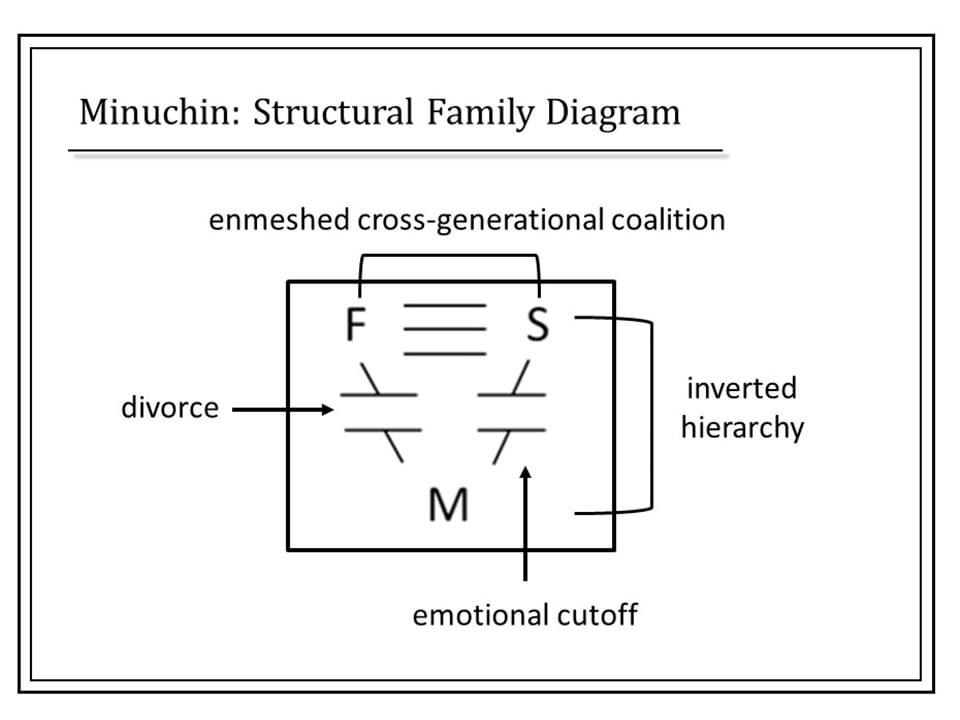
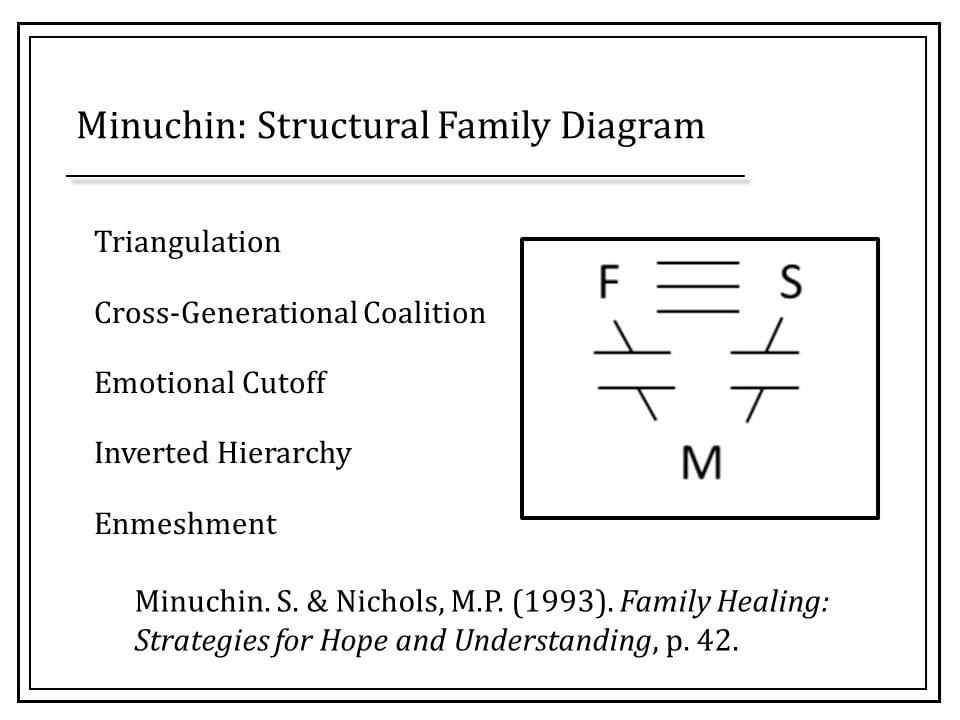
Diagnosis is a pattern-match of symptoms to diagnostic criteria. The pathology of concern in the family courts surrounding child custody conflict is a possible shared (induced) persecutory thought disorder created in the child from the pathogenic parenting of an allied narcissistic-borderline-dark personality parent. The definition of a persecutory delusion is provided by the American Psychiatric Association:
From the APA: “Persecutory Type: delusions that the person (or someone to whom the person is close) is being malevolently treated in some way.” (American Psychiatric Association, 2000)
Google malevolent: having or showing a wish to do evil.
Writing in the journal, Family Court Review, Walters and Friedlander (2016) describe the shared persecutory delusion that is often present in the family courts surrounding child custody conflict and attachment pathology displayed by the child:
From Walters & Friedlander: “In some RRD families [resist-refuse dynamic], a parent’s underlying encapsulated delusion about the other parent is at the root of the intractability (cf. Johnston & Campbell, 1988, p. 53ff; Childress, 2013). An encapsulated delusion is a fixed, circumscribed belief that persists over time and is not altered by evidence of the inaccuracy of the belief.” (Walters & Friedlander, 2016, p. 426)
From Walters & Friedlander: “When alienation is the predominant factor in the RRD [resist-refuse dynamic}, the theme of the favored parent’s fixed delusion often is that the rejected parent is sexually, physically, and/or emotionally abusing the child. The child may come to share the parent’s encapsulated delusion and to regard the beliefs as his/her own (cf. Childress, 2013).” (Walters & Friedlander, 2016, p. 426).
Based on the nature and severity of the attachment pathology in the family courts, I recommend that a proper assessment for a possible shared (induced) persecutory delusion be conducted with families in high-conflict custody litigation that will return an accurate diagnosis regarding the nature of the pathology in the family, to then guide the development of an effective treatment plan to fix the pathology in the family.
The concern is that the allied parent is psychologically controlling and manipulating the child into creating a false pathology,
From Barber & Harmon: “Psychological control refers to parental behaviors that are intrusive and manipulative of children’s thoughts, feelings, and attachment to parents. These behaviors appear to be associated with disturbances in the psychoemotional boundaries between the child and parent, and hence with the development of an independent sense of self and identity.” (Barber & Harmon, 2002, p. 15)
From Soenens and Vansteenkiste: “Psychological control can be expressed through a variety of parental tactics, including (a) guilt-induction, which refers to the use of guilt inducing strategies to pressure children to comply with a parental request; (b) contingent love or love withdrawal, where parents make their attention, interest, care, and love contingent upon the children’s attainment of parental standards; (c) instilling anxiety, which refers to the induction of anxiety to make children comply with parental requests; and (d) invalidation of the child’s perspective, which pertains to parental constraining of the child’s spontaneous expression of thoughts and feelings.” (Soenens & Vansteenkiste, 2010, p. 75)
Participation in Child Abuse
One of the prominent professional dangers of misdiagnosing a shared persecutory delusion is that if the mental health professional and/or the Court misdiagnoses the pathology of a shared persecutory delusion and believes the shared delusion as if it was true, then the mental health professional and/or the Court become part of the shared delusion, they become part of the pathology. When that pathology is the psychological abuse of the child by an allied pathological parent, then the mental health professional and/or the Court become participants in the parent’s psychological abuse of the child by validating to the child that the child’s false (delusional) beliefs are true when they are, in fact, symptoms of an induced persecutory delusion.
The Court’s decision-making will be much enhanced by an accurate diagnosis of the problem returned by mental health services BEFORE making custody decisions influenced by the child’s pathology.
Craig Childress, Psy.D.
Clinical Psychologist, CA PSY 18857
Asylum Process Produces High Levels of Distress, Impacts Mental Health
In the UK and EU, seeking asylum negatively impacts mental health and exacerbates distress.
— Read on www.madinamerica.com/2024/01/asylum-process-produces-high-levels-of-distress-impacts-mental-health/
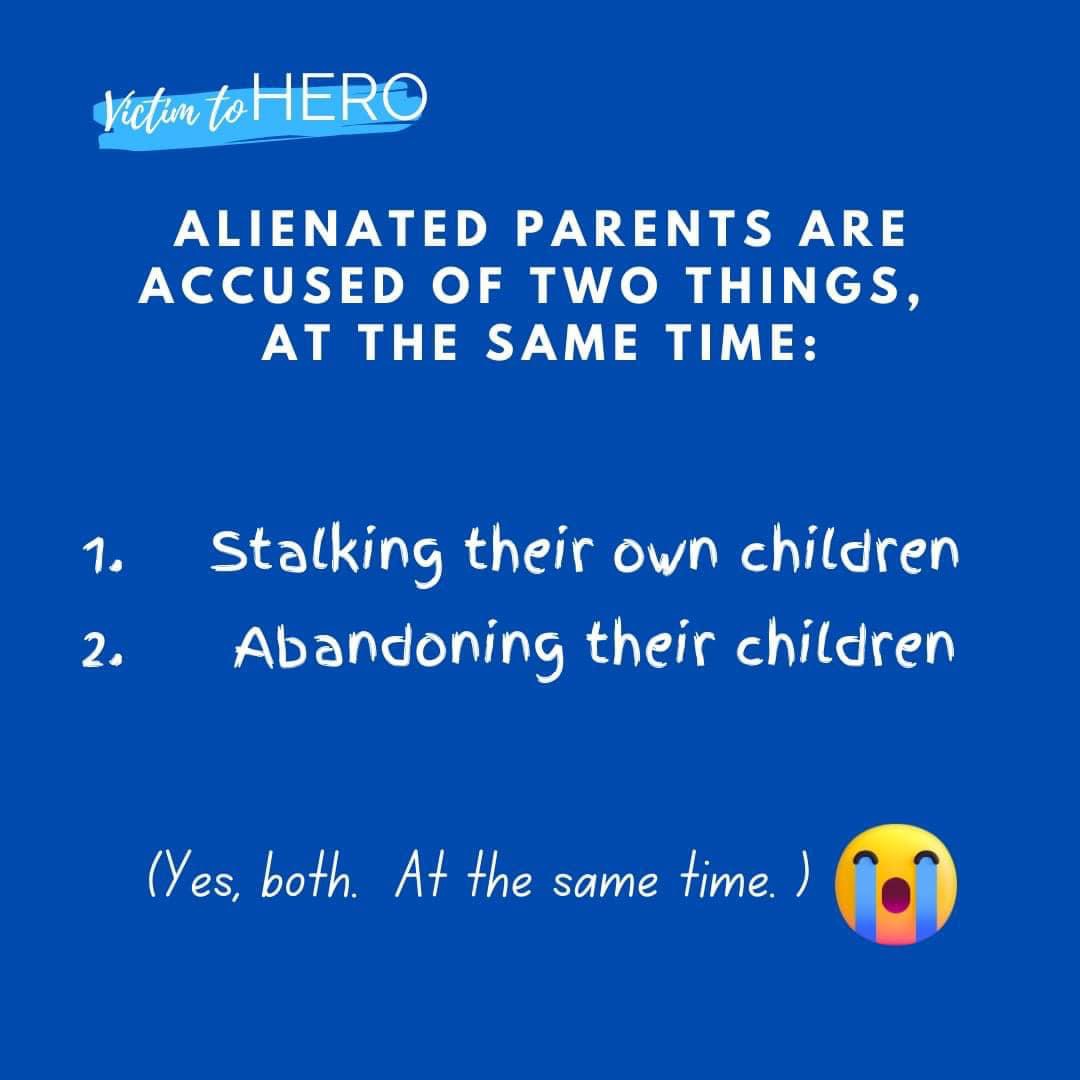
Alienated Parents
That is exactly how ridiculous these alienators are –
They accuse the parent of abandoning the child – when that same parent stands in court begging to be part of the child’s life.
If you buy an extravagant present for Christmas – “they are trying to show me up”
But a cheaper gift “they couldn’t be bothered”
They tell the child “Mammy/Daddy will never bring you on holidays” – never of course telling the child they have warned the target parent that they will never be allowed too.
They will tell people “their Mom/Dad never showed up to a special events – never revealing that the parent was unaware of it taking place.
They will tell people the Mom/ Dad never calls – never telling you they are blocked from contact.
They will tell the child “your Mom/Dad didn’t bother sending you a card – never telling you they returned to sender.
And the biggest whopper of a lie told by so many alienators” My child/ren have chosen to live without their Dad/mom because they are happier without them in their lives –
Never telling you that they have manipulated and gaslighted their own child to feel this way about their other parent – using all or most of the red flag behaviours of Parental Alienation.
 GreatCosmicMothersUnite