
Yes !
It was part of the reason I knew breast feeding was what I wanted and needed to do.
Nursed each of 3 babies 👶

Yes !
It was part of the reason I knew breast feeding was what I wanted and needed to do.
Nursed each of 3 babies 👶
After giving birth, it takes a woman 6 months to heal her wounds, 12 months to recover physically, 2 years to balance her hormones, and up to 5 years to rediscover her identity. 💗
Relationships often face difficulties during this period of time due to lack of understanding.
Be kind and patient with moms, they are facing more challenges than you know.

In the future, women may not be able to give birth without having a C-section.
Experts say that C-sections have increased the gap between the size of newborns and their mothers’ pelvises. More women are born with smaller pelvises, whereas babies’ head sizes are getting bigger.
In the past, larger babies and mothers with narrow pelvises sizes had small survival rates. As a result, genes for these traits were not passed down through the generations. C-sections are helping bigger babies and women with smaller pelvis to survive the labor.
As a result, genes for smaller birth canals in women are now becoming more common, which in turn is increasing the need for even more C-sections.
The problem? According to the World Health Organization, the rising rates of C-sections suggest an increasing number of medically unnecessary, potentially harmful procedures.
While birth is painful, a C-section is harmful to the woman and is not often the best solution when medical issues arise.
Managing childbirth pain involves a combination of physical, psychological, and medical strategies tailored to each woman’s needs and preferences. Physical techniques include practicing various breathing exercises and relaxation techniques that can help manage contractions. Deep, focused breathing promotes relaxation and can reduce the perception of pain. Positions and movements such as walking, rocking, squatting, or using a birthing ball can also alleviate discomfort by enhancing the progression of labor and reducing the pressure on the back. Warm showers or baths are known to soothe and provide significant relief during labor.
Psychological strategies play a crucial role in managing childbirth pain.
The presence of a supportive partner, doula, or a familiar person can offer emotional reassurance and practical assistance, making the labor experience more comfortable. Visualization and mindfulness can also distract from pain and reduce anxiety, focusing the mind on positive outcomes rather than discomfort. Medical interventions include various forms of pain relief ranging from non-invasive to invasive options. Certain medications can be used for mild pain relief, allowing the woman to remain mobile and alert.
Source 1:

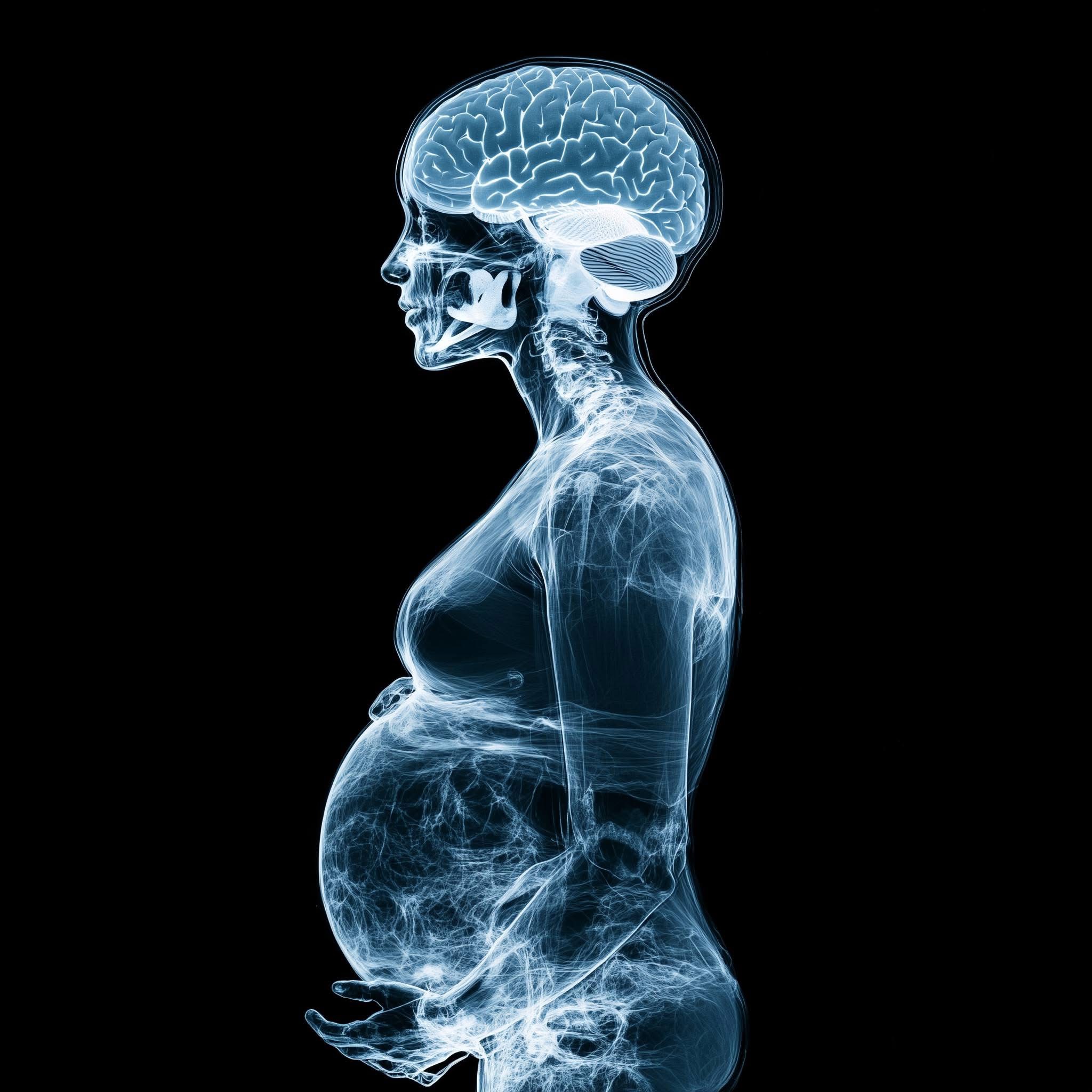
During pregnancy, a woman’s brain shrinks in size.
This is why some pregnant women may experience small, sometimes subtle deficits in tasks, like recalling items from a list they have studied, or remembering to do certain things in the future.
After delivering the baby, it would take up to six months for the mother’s brain to regain its original size. The cells in the brain reduce in size without reducing in number. In other words, neuron density remains the same, which is why the brain capacity returns to normal after childbirth.
A study published in Nature Neuroscience revealed that pregnant women experience a decrease in gray matter in specific brain regions responsible for social cognition and forming attachments. However, this loss of gray matter actually enhances a mother’s feelings of attachment to her baby and improves her ability to understand their needs and emotions.
Using MRI scans, researchers examined the brains of pregnant women before and after giving birth. They discovered that the reduction in gray matter in specific brain regions actually improves the brain’s efficiency in understanding nonverbal cues from newborns.
This change enables mothers to quickly identify potential dangers and enhances their emotional connection with their babies. The first study was published in the American Journal of Neuroradiology, and it’s entitled, “Change in brain size during and after pregnancy: study in healthy women and women with preeclampsia”. The second study was published in Nature Neuroscience and it’s entitled, “Pregnancy leads to long-lasting changes in human brain structure”
 GreatCosmicMothersUnite