

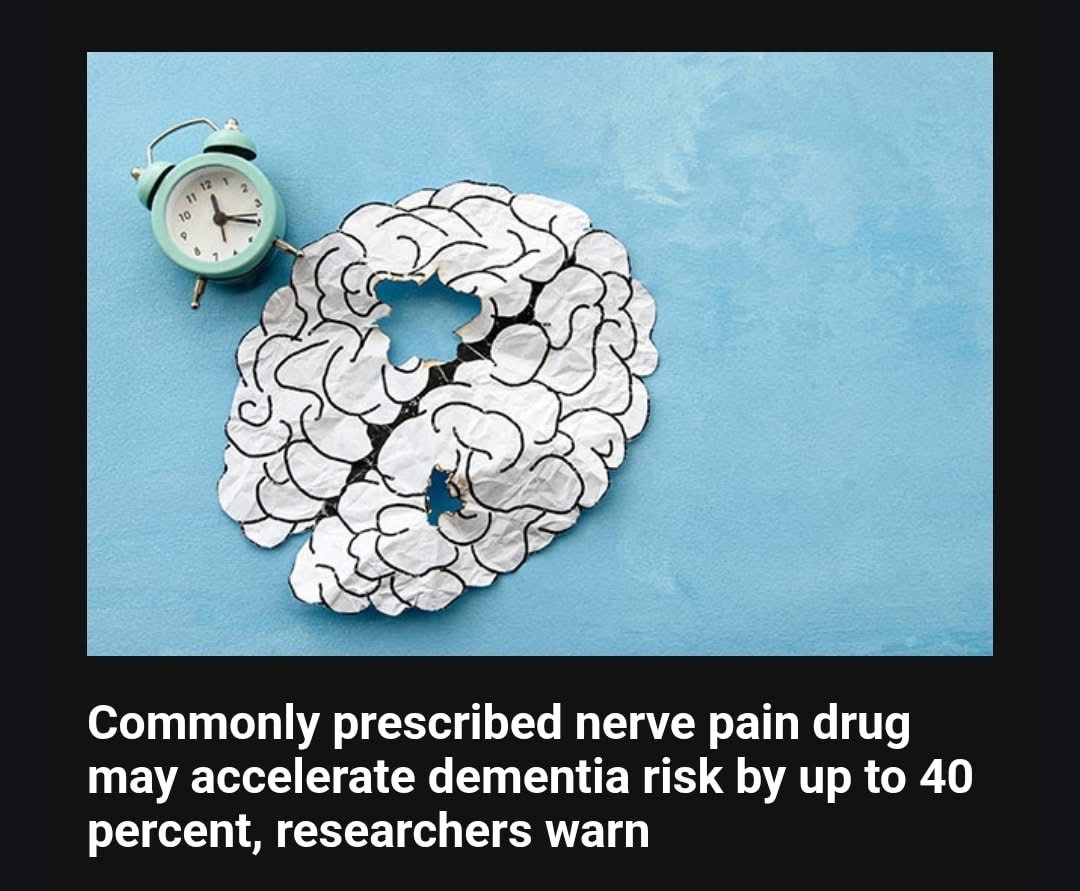
Gabapentin, widely prescribed for chronic pain, may increase dementia risk by up to 40%, according to a new U.S. study.
Younger adults (aged 35 to 49) face more than double the dementia risk when taking gabapentin in the long term.
The drug alters GABA, a key brain neurotransmitter, potentially leading to cognitive decline.
Critics dispute causation but admit concerning correlations.
Gabapentin prescriptions remain high despite study warnings, raising concerns about Big Pharma’s safety standards.
A groundbreaking U.S. study reveals that gabapentin, a drug doled out to millions for chronic pain, may increase dementia risk by up to 40%, raising urgent questions about the safety of Big Pharma’s “solutions.”
Researchers from Case Western Reserve University analyzed the health records of more than 26,000 Americans who were treated for chronic lower back pain between 2004 and 2024. Their findings, published in Regional Anesthesia & Pain Medicine, expose a harrowing trend: patients prescribed gabapentin six or more times faced a 29% higher dementia risk, soaring to 40% for those with 12 or more prescriptions. Even younger adults (35 to 49 years old) saw their risk more than double in a disturbing revelation for a drug that is marketed as “safe.”
How gabapentin attacks the brain
Gabapentin, sold as Neurontin by Pfizer, the same corporation behind dangerous Covid vaccines, works by altering gamma-aminobutyric acid (GABA), a critical neurotransmitter that calms overactive nerve cells. But this “brake” on brain activity may come at a catastrophic cost.
“Our findings indicate an association between gabapentin prescription and dementia or cognitive impairment within 10 years,” the researchers warned. They urged “close monitoring of adult patients prescribed gabapentin to assess for potential cognitive decline
 GreatCosmicMothersUnite