

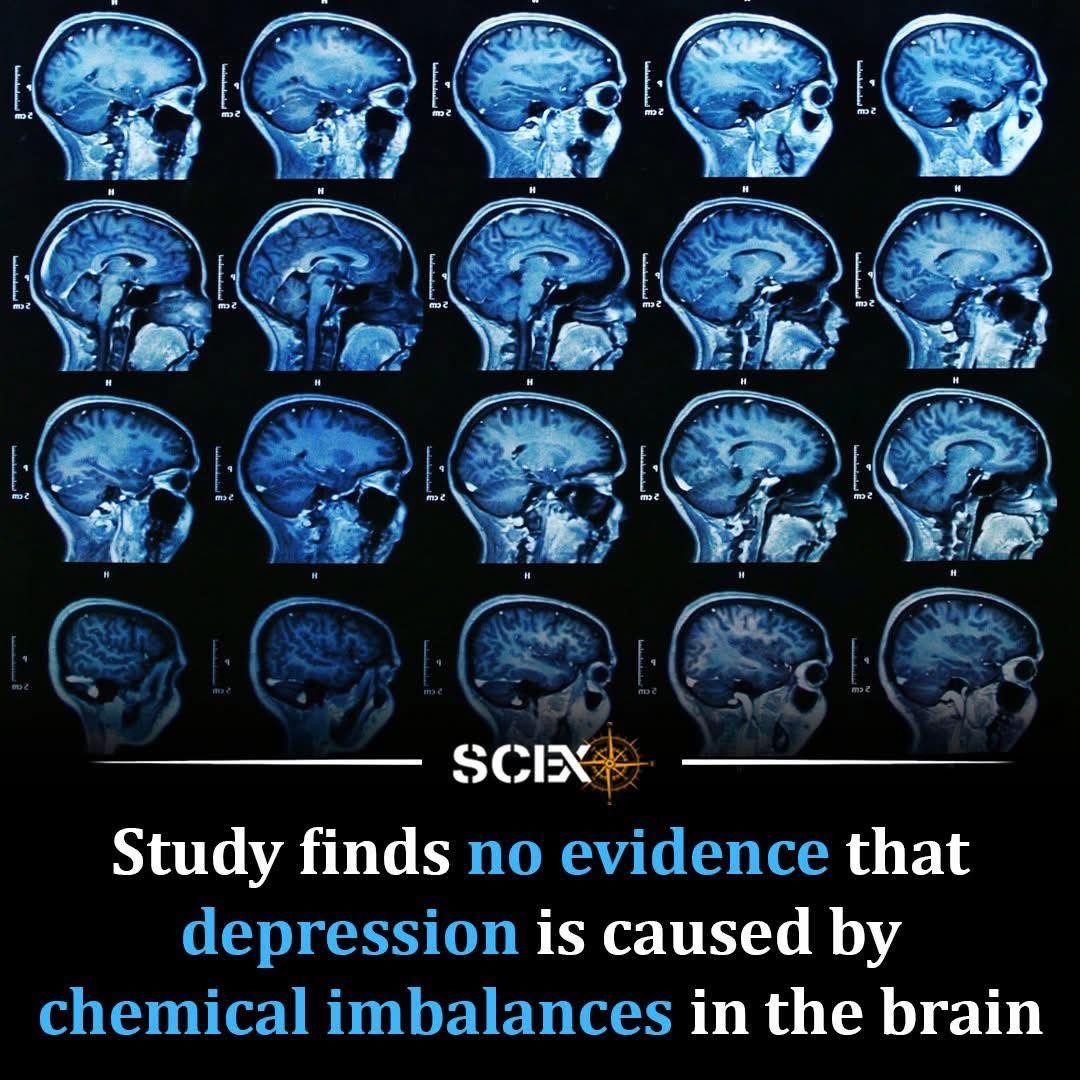
Is Depression Really Caused by a “Chemical Imbalance”? New Landmark Study Says No.
A comprehensive review led by researchers at University College London (UCL) has found no solid scientific evidence that depression is caused by low serotonin levels or reduced serotonin activity—a theory long believed to underpin the use of common antidepressants.
Published in Molecular Psychiatry, this umbrella review analyzed decades of studies across various disciplines. The findings challenge the widely accepted “chemical imbalance” theory, which forms the foundation of popular antidepressants like SSRIs (Selective Serotonin Reuptake Inhibitors).
🔬 While SSRIs are believed to “correct” serotonin deficiencies, this review suggests such deficiencies might not even exist in the first place. Alarmingly, some evidence hints these drugs may actually reduce serotonin over time.
🧠 The researchers caution that up to 90% of the public believes in this now-questioned theory—potentially discouraging hope for recovery and limiting non-drug treatment options, such as therapy, lifestyle changes, and social support.
The authors advocate for a shift in mental health care: focusing more on life stressors, trauma, and socio-environmental factors, and less on unproven biological explanations.
📚 Source:
Moncrieff, J., Cooper, R. E., Stockmann, T., Amendola, S., Hengartner, M. P., & Horowitz, M. A. (2022). The serotonin theory of depression: A systematic umbrella review of the evidence. Molecular Psychiatry.
#Depression #MentalHealth #SerotoninMyth #SSRI #ChemicalImbalance #MentalHealthAwareness #Psychiatry #TherapyNotJustPills #MindMatters #ScienceExplorist #MolecularPsychiatry #UCLResearch #MentalHealthScience

 GreatCosmicMothersUnite
This is the kind of clarity that shifts the field quietly but persistently. The UCL finding—that there’s no solid evidence linking depression to a chemical imbalance—peels away centuries of comforting myth, yet it opens the door to deeper healing rooted in coherence, not just chemistry.
I’ve reflected on how meaning and transformation often follow after we step into stillness—not before. That idea finds a quiet echo in Why Revelation Is Always Retroactive: sometimes the ‘aha’ happens only after we’ve turned the corner, not when expectations were high.
Thank you for unmasking this pervasive myth, and reminding us that real mental health begins not just in the brain, but in awareness.
LikeLiked by 1 person