

In psychology, emotional safety refers to an emotional state achieved in attachment relationships wherein each individual is open and vulnerable. The concept is primarily used by couples’ therapists to describe intimate relationships. When a relationship is emotionally safe, the partners trust each other and routinely give each other the benefit of the doubt in questionable situations. When emotional safety is lost, the partners are inclined to be distrustful, looking for possible hidden meanings and potential threats in each other’s words and behaviors.
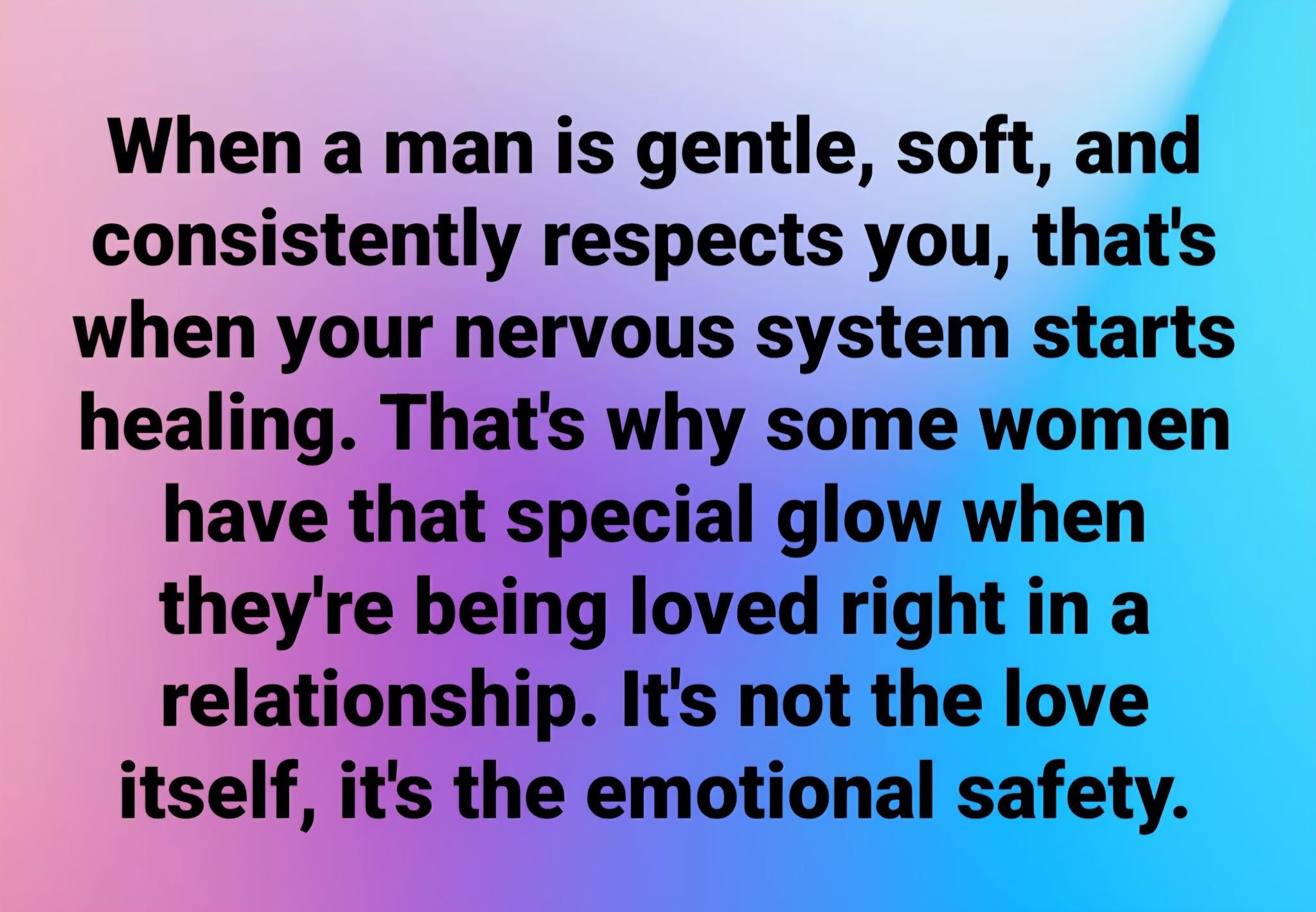
Remember, emotional safety includes mutual respect, open communication, empathy, and consistent support. Building this foundation strengthens the neural pathways associated with trust and intimacy, leading to a more fulfilling and lasting connection.
Emotional safety is a basic human need and an essential building block for all healthy human relationships.
Emotional safety is the visceral feeling of being accepted and embraced for who you truly are and what you feel and need.
Feeling chronically emotionally unsafe causes intense psychological distress—and, often, greater isolation and more difficulty reaching out.
“Precaution is better than cure.”
Emotional safety is about being authentic and sharing thoughts and feelings with another person without any fear. Frequent criticism and invalidating remarks, especially from a loved one, is a sure path to stripping any relationship of emotional safety.
Key Takeaways 🗝 :
Safety doesn’t happen by accident.
When safety is first, you last.
Check yourself before you wreck yourself. Accidents hurt, safety doesn’t.
No Safety, Know Pain. Know Safety, No Pain.

 GreatCosmicMothersUnite