

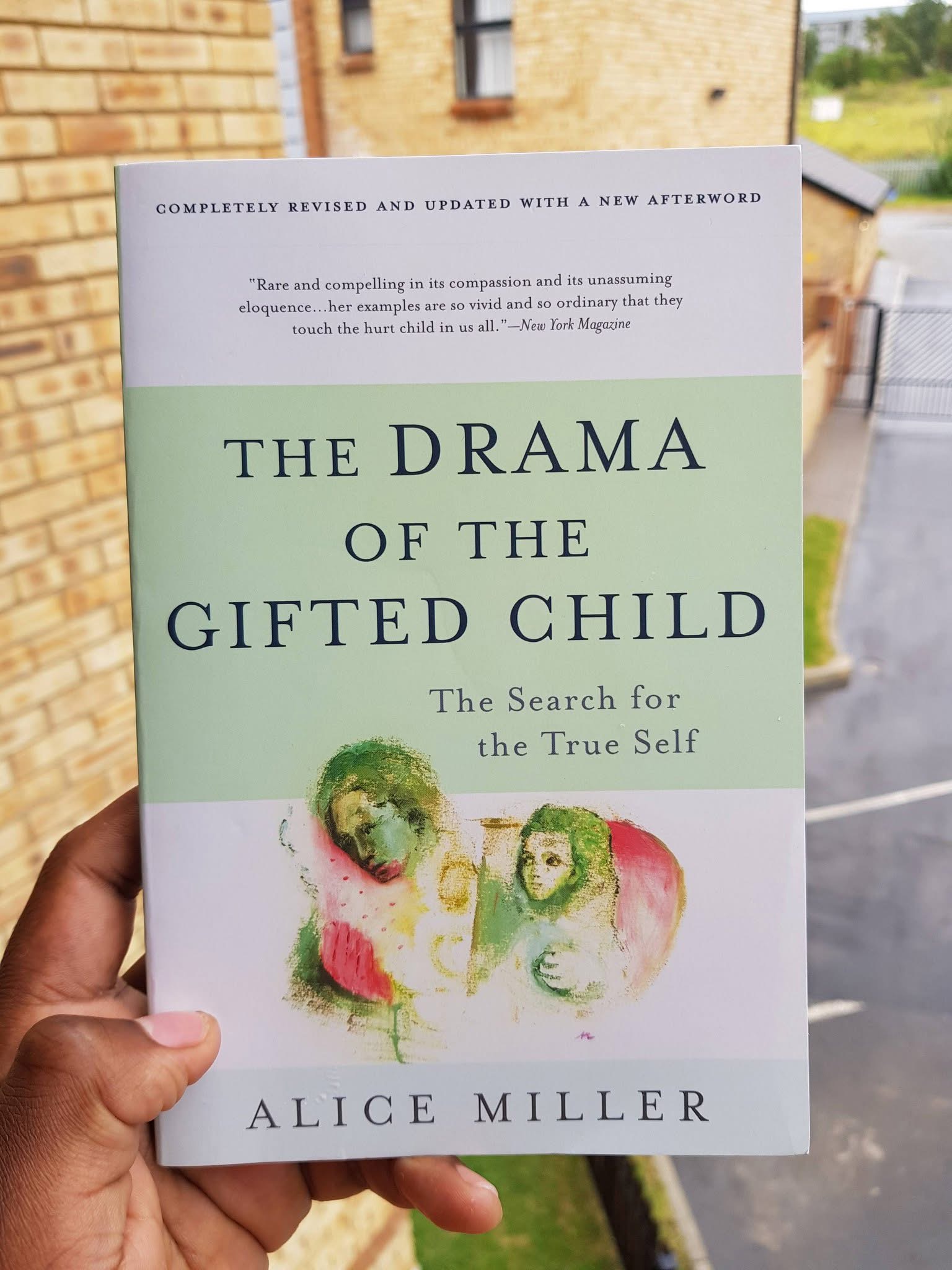
Opening The Drama of the Gifted Child by Alice Miller felt like someone handed me a map to a place I’d been lost in forever—my own childhood. The insights hit hard, peeling back layers I didn’t even know were there, and suddenly, so much about myself made sense. It’s been a lifeline for understanding the quiet wounds I carried and how they shaped me. Here are nine lessons that unpacked that puzzle for me.
1. The Gifted Child Adapts to Survive – Miller defines the “gifted” child not as a prodigy, but as one who learns early to read and meet their parents’ emotional needs, often at the cost of their own. This sensitivity becomes a survival tool, muting their true feelings to secure love or avoid rejection.
2. Repression Hides Pain – To cope with neglect or unmet needs, the child buries emotions—anger, sadness, longing—in a subconscious vault. Miller explains this repression keeps them functional as kids but leaves a hollow ache that surfaces later as depression or emptiness.
3. Parental Needs Trump the Child’s – When parents, often unconsciously, lean on the child for validation or stability (narcissistic or otherwise), the child becomes their mirror. Miller shows how this role reversal stunts the child’s ability to grow into their authentic self.
4. The False Self Takes Over – To please caregivers, the child crafts a “false self”—a polished façade of obedience or achievement. Miller warns this masks the “true self,” leaving them disconnected from their real desires and identity into adulthood.
5. Grandiosity Masks Vulnerability – Some gifted children swing to grandiosity—overachievement or perfectionism—as a shield against feeling worthless. Miller ties this to early praise that tied their worth to performance, not their inherent being.
6. Depression Signals Denied Needs – That lingering sadness or numbness? Miller sees it as the true self crying out, a sign of suppressed childhood needs—like being seen or heard—that were never met. It’s not weakness; it’s a call to heal.
7. Healing Requires Mourning – You can’t just think your way out of this, Miller insists. Recovery means facing the grief of what you didn’t get—love, safety, freedom to feel—and letting it wash through you, a painful but freeing step to reclaiming yourself.
8. Parents Pass Down Their Wounds – Miller highlights a cycle: parents who were unseen or unloved as kids often repeat it, unaware their own unresolved pain shapes their parenting. Breaking this means seeing it clearly, not just blaming them.
9. Truth Sets You Free – The path to wholeness, Miller argues, is uncovering your story—acknowledging the hurt, the adaptations, the lost pieces—and honoring them. It’s not about fixing the past but living truer to yourself now.
BOOK: https://amzn.to/43gGDKr
Access the FREE audiobook with a membership trial using the same link.

 GreatCosmicMothersUnite